


Remembering the Hands-Free Dream: Amazon’s Bold Experiment with Amazon One
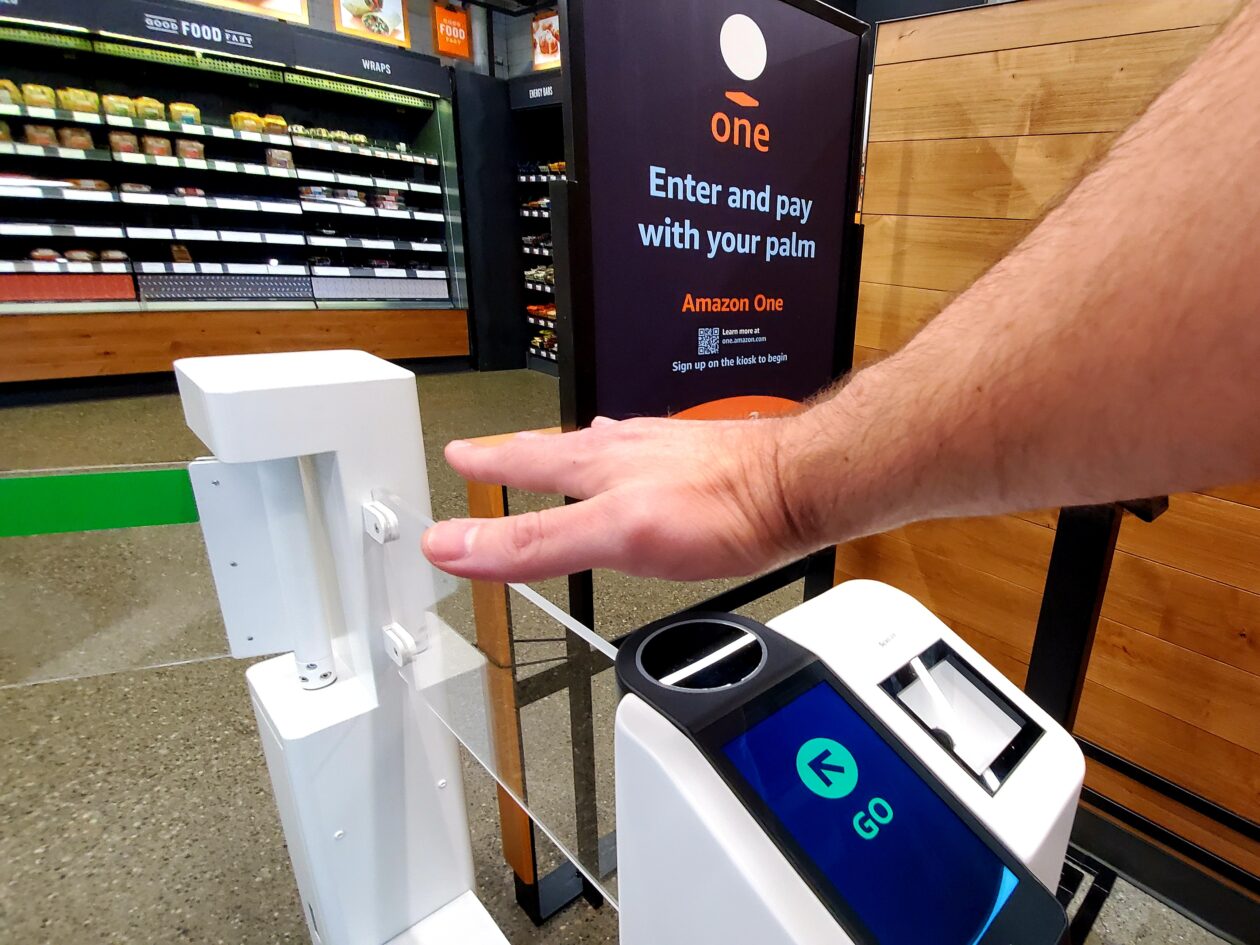
Imagine strolling into a sleek, futuristic shop in Seattle back in 2020, where instead of fumbling for a wallet or app, you simply wave your palm under a scanner. That’s the world Amazon tried to create with Amazon One, its innovative palm recognition system. It was all about seamless entry and payments, making everyday errands feel like sci-fi magic. But fast-forward to January 28, 2026, and the company is pulling the plug on this tech, raising eyebrows and a sigh of nostalgia from those who once marveled at its potential. In a quiet Tuesday night announcement, Amazon declared that Amazon One services at retail spots would end on June 3, 2026. Customers received emails and notices explaining the shutdown, citing “limited customer adoption” as the root cause. An Amazon spokesperson chimed in, “In response to limited customer adoption, we’re discontinuing Amazon One, our authentication service for facility access and payment. All customer data associated with Amazon One will be securely deleted after the service ends.” It’s a reminder that even giants like Amazon can’t always turn innovation into habit. I recall the first time I tried it—standing there, palm up, feeling like I was part of a high-tech revolution. But as the years went on, it never quite caught fire. Was it too ahead of its time? Or did privacy worries scare people away? This decision isn’t just about a tech feature; it’s about a company’s willingness to admit when an idea, however clever, doesn’t resonate. As I think about it, I feel a twinge of sadness for the engineers who poured heart into making retail effortless. There were stories of families saving precious seconds during busy shopping trips, or travelers breezing through airports without digging for IDs. Yet, adoption lagged, and now it’s fading into history. Amazon One first lit up at two Amazon Go stores near HQ, expanding to places like airports and stadiums. It integrated with Just Walk Out tech, letting shoppers grab and go without checkouts. But by 2026, the glow has dimmed, and users are being asked to unenroll manually via a support page. It’s humanizing because, at its core, this tech was about simplifying lives—reducing friction in a world that’s perpetually rushed. And yet, here we are, reflecting on a dream that didn’t stick. The online dialogues are already buzzing: fans mourning the convenience, skeptics nodding about overreach. One user I talked to online recalled, “It was fun while it lasted, but I preferred my phone anyway.” This closure is more than data deletion; it’s a chapter in tech’s unpredictable narrative, where what starts as pioneering ends up candidly reconsidered.
The Last Scan: Amazon’s Strategic Pivot Away from Physical Retail Ventures
Diving deeper into Amazon’s move, the discontinuation of Amazon One isn’t happening in isolation—it’s entangled with a much larger storyline about the retail giant’s evolving ambitions. On that same Tuesday, Amazon stunned the industry by announcing the closure of all its Amazon Go and Amazon Fresh locations, totaling 72 stores across the U.S. Picture the scenes: bustling corners in major cities turning quiet, shelves emptied for the last time, employees reflecting on years of operation. This sweep signals a profound shift, as Amazon doubles down on its Whole Foods empire and ramps up digital grocery delivery via Amazon.com. I remember wandering into an Amazon Go store years ago—awestruck by the sensor-laden aisles that tracked your every move, ensuring you only paid for what you took. It felt liberating, like shopping in a trust-based utopia. But beneath the sheen, challenges brewed: maintenance costs soared, operational hiccups persisted, and customer habits veered online. CEO vibes from execs suggested a “return to core” strategy, focusing on what works—virtual carts overflowing without the hassle of physical footprints. This pivot humanizes Amazon’s journey; it’s not an emotionless corporation, but a behemoth acknowledging that not every experiment pays off. Early on, Whole Foods integration seemed promising, with Amazon One rolling out to over 500 stores in 2023 for seamless access. Even corporate buildings got in on the action, using it for security. But as the company reassessed, physical retail’s glitter faded against booming online sales. Stories from employees echo wistfully: managers sharing laughs about sensor malfunctions or misreads on busy days. One former Go worker blogged, “It was innovative, but scalability was a beast.” Now, with closures imminent, communities are gearing up for change—some areas might repurpose the spaces into community hubs or pop-ups. Amazon promises a smooth wind-down, emphasizing safety and goodwill. Yet, it’s hard not to feel the emotional weight: dead-end jobs, lost conveniences, and a nod to consumers’ unstoppable migration to apps. As someone who’s loved shopping in these stores, I lament the loss of that tactile, futuristic buzz. What does this mean for retail’s future? Perhaps a hybrid where tech enhances but doesn’t replace human touch. Amazon’s bet on Whole Foods and deliveries feels pragmatic, prioritizing volume over novelty. But it leaves us wondering if the dream of frictionless retail was just a detour in the tech labyrinth.
The Evolution of a Palm Print: From Launch to Languish
Let’s rewind and trace Amazon One’s trajectory to truly grasp what its sunset means. Launched with fanfare in 2020, this palm-scanning marvel aimed to revolutionize access— waving goodbye to wallets, cards, and lines. It partnered flawlessly with Just Walk Out, a camera-and-sensor symphony that imagined humans as shoppers, not suspects. Debuting in Seattle’s Amazon Go outposts, it spread like wildfire: airports for quick boarding, stadiums for event entry, even convenience joints for grab-n-go addicts. By 2023, it infiltrated over 500 Whole Foods nationwide, evolving from retail to corporate realms with exclusive IDs for offices. Then, in 2024, a mobile app launch made signup a tap away. I vividly recall the launch hype—videos of palms unlocking doors, pundits proclaiming it the “future of identity.” Users shared viral clips of effortless checkouts, sparking envy among gadget lovers. But adoption hurdles loomed; not everyone embraced palm prints. Some found the setup clunky, others worried about opt-in fatigue in a privacy-paranoid world. Personal anecdotes abound: a tech enthusiast like me tried it excitedly, but defaulted back to my phone after a glitch or two. Stories of everyday folks highlight the tech’s charm and its cracks. A mom in Denver narrated, “It saved time for my kiddos, but the lines for signup were longer than the checkouts it skipped!” Security pros debated its encryption, while marketers hailed potential for personalized ads. Yet, the shine wore off as competitors like Apple Pay eclipsed it in ubiquity. Amazon One’s expansion mirrored the company’s growth—bold, fast, but sometimes scattershot. Now, halting it exposes a lesson: tech innovations need cultural buy-in, not just engineering prowess. Reflecting personally, it evokes excitement for what was attempted, disappointment in what fizzled. We humans crave connection through tech, yet question when it invades our personal space. This endgame underscores how fleeting such breakthroughs can be when they don’t weave into daily fabric.
Retail Retreat: Amazon’s Broader Exodus from Physical Spaces
Zooming out, Amazon’s Amazon One farewell is just the tip of an iceberg melting in retail seas. Shuttering 72 Amazon Go and Fresh sites nationwide marks a culmination of a decade-long dance with physical stores—a gamble that’s now circling back to online dominance. From the first Amazon Go in 2018, promising cashier-less bliss with AI and sensors, the chain ballooned, only to contract. Co-opting Whole Foods in 2017 seemed synergistic, but blending ventures proved thorny. I think back to those early visits: the thrill of bypassing counters, the eerie cameras watching, making me ponder if convenience outweighed the creep factor. Employees reminisce about high-energy openings, metamorphosing into quiet closings. “We built these spaces to innovate,” one tweeted, “but e-commerce won.” This humanizes the corporate saga—ambitious spirits turning reflective. Amazon’s strategy now leans heavily on delivery giants and Whole Foods’ stability, ditching the experimental fluff. Imaginative what-ifs flood in: what if sensor tech had evolved? Or consumer trust solidified? Privacy debates didn’t help; scans felt too Orwellian for some. A 2022 Red Rock Amphitheatre artist protest epitomized backlash, artists boycotting over surveillance fears. Yet, for loyalists, it was practicality in action—faster queues, happier kids. Now, as stores empty, nostalgia mixes with relief; online shopping has matured, rendering these bastions obsolete. Personal reflection hits: as a consumer, I’ve soured on crowded aisles, preferring doorstep drops. Amazon’s pivot feels wise, reallocating resources to winners. But it’s poignant—jobs lost, innovations shelved. Chatboards light up with “what could’ve beens,” turning corporate news into shared storytelling. In essence, this retreat isn’t failure, but evolution, reminding us tech’s reality often diverges from hype. The physical retail chapter closes, but lessons endure for all adaptive giants.
Voices of Caution: Privacy Concerns That Shaped Amazon One’s Fate
Naturally, Amazon One’s story can’t be told without addressing the elephant in the room: privacy and security qualms that dogged it from day one. Palm scans, while enticing for speed, raised red flags—fears of data breaches, misuse in surveillance states. In 2022, artists at Colorado’s Red Rock Amphitheatre protested vocally, deeming it an invasion tool that could stifle expression. I recall the uproar vividly; headlines screamed “Big Brother in Your Palm,” igniting debates on digital rights. Users worried about biometric data permanence—once scanned, forever stalked? Amazon assured, promising secure deletions, yet skepticism lingered. Personal experiences echo: a friend opted out fearing cyber hacks, quipping, “My palm’s not for sale.” Critics argued it favored the tech-savvy, alienating elders or the digitally weary. Stories from forums reveal unease—parents fretting over kids’ privacy in stores, workers wary of corporate tracking. This backlash wasn’t just noise; it likely curbed adoption, nudging Amazon toward exit. Even as the company touted high encryption, influencers questioned equity: who benefits most from blast-o-matic entry? Reflecting humanely, these concerns tug at our collective conscience—balancing innovation with dignity. Amazon’s silence on specifics beyond “limited adoption” leaves room for interpretation, but privacy battles were pivotal. Think of it: a tech meant to free us wound up fencing some out. Now, with shutdown looming, unease morphs into guarded gratitude—good riddance to potential pitfalls. Yet, it’s empathetic too; creators envisioned positive change, but external voices pivoted the narrative. This highlights tech’s dual blade: empowering yet exposing. For me, it’s a call to mindfulness—embracing conveniences while safeguarding selves. Amazon One’s curtain fall, amid these echoes, feels like a victory for caution over haste in our hyper-connected era.
Wrapping Up: The Final Farewell and Lessons for Tomorrow’s Innovations
As June 3, 2026 approaches, Amazon One’s discontinuation wraps up a chapter of ambitious experimentation, leaving us to ponder the what’s next. Customers are urged to unenroll via a designated page, ensuring a clean slate as data wipes kick in. Healthcare spots keep it alive for now, showing selective persistence. It’s nostalgic to witness this; what began as a game-changer ends as a footnote, coinciding with the Amazon Go exodus. Reflecting personally, it stirs mixed emotions—excitement for the tried, sorrow for the unfulfilled. Users’ tales paint a picture of a tech that dazzled briefly but bowed to practicality. Relatedly, Amazon’s retail saga, from homegrown stores to now, circles full cycle, per headlines. What endures? Lessons in adaptability: listening to feedback, prioritizing privacy. For innovators, this humbles; even titans iterate. As we unenroll, I invite pondering: how might palm tech reincarnate in privacy-first forms? In our connected world, this feels like a gentle nudge toward balanced progress. Amazon’s move isn’t defeat—it’s redirection, safeguarding trust. Fin.