



The Unexpected Adventure of Frankie the Tegu
In the quaint coastal city of Providence, Rhode Island, where winter storms often blanket the streets in a fluffy white shroud, life can throw you curveballs you never saw coming. Just imagine: a hardworking resident, let’s call him Mike, was out one chilly morning after the big snowstorm dumped nearly two feet of snow, shoveling his driveway like any other New Englander. Bundled up in layers of wool and waterproof gear, his breath forming clouds in the icy air, Mike was deep into the rhythmic scrape of his shovel when something utterly bizarre caught his eye. There, partially buried under the heavy snow, was what looked like a large, lethargic creature trying to wiggle its way to the surface. At first, Mike thought it was a strange twisted root or maybe some discarded Halloween prop left over from October. But as he brushed away more snow, revealing scales and a long, flicking tongue, his heart skipped a beat—it was a lizard! A big one, about the size of a small dog, its black-and-white patterned skin glistening faintly in the weak sunlight. “This can’t be real,” he muttered to himself, kneeling down cautiously. Growing up in Rhode Island, Mike had seen his share of wildlife: deer, raccoons, even the occasional fox darting across snow-covered lawns. But a lizard? In the middle of winter? It defied everything he knew about nature. The creature, which later became known as Frankie, was a tegu lizard, a species more at home in the warm tropics of South America than in this frozen wasteland. Mike, feeling a mix of shock and empathy—who wouldn’t, spotting a wild animal in such dire straits?—wrapped the shivering reptile in his old T-shirt to keep it warm. He wasn’t sure if it was exotic or dangerous; he’d heard tegus could be feisty pets. With his phone in hand, he snapped a quick photo and posted it on a local neighborhood group, then dialed up the numbers for animal experts listed online. His mind raced: How did this tropical wanderer end up here? Was it escaped from someone’s home, or dumped out as a cruel joke? As he drove to meet the rescuers, Mike felt a strange connection, like he’d stumbled upon a lost soul needing help. This wasn’t just another rodent in the trash; it was a living being fighting for survival, turning an ordinary snowy day into an extraordinary tale of compassion.
Reaching Out for Help in Freezing Conditions
Mike’s discovery sparked a chain of human kindness that rippled through the community, proving that in times of crisis, strangers can band together like family. He soon connected with the New England Wildlife Center (NEWC), a group dedicated to protecting local fauna and, apparently, unexpected reptilian visitors. Their team advised him to bring Frankie indoors immediately to combat the brutal cold, as tegus are cold-blooded creatures that can’t regulate their own temperature well. Mike, not wanting to risk further harm, hurried back home and set up a makeshift heated enclosure with towels and lamps, keeping the lizard close to his furnace. The air in his living room still carried the faint scent of his morning coffee, but now it mixed with the earthy musk of the animal. Frankie lay still, his eyes half-closed, reminding Mike of a child recovering from illness—vulnerable and in need of care. He shared updates on social media, and soon, messages flooded in: neighbors commiserating over the odds, friends laughing at the absurdity. But deeper down, Mike felt a twinge of wonder—had he just become part of something magical, saving a life when most would turn away? Meanwhile, word traveled to ET Reptiles, a nearby exotic pet store in Warwick, co-owned by a savvy duo named Taylor Faria and her partner. They specialize in reptiles, so a call about a distressed tegu was right up their alley. Taylor recalled the moment vividly: the phone rang just as they were closing up shop post-storm. “A tegu in snow? Sounds like a bad plot from a kids’ movie,” she joked. But upon hearing the details—how the lizard was sluggish and clearly suffering—they sprang into action. Driving through snow-choked roads, their SUV bumping over ice, they arrived at Mike’s place with carrier cages and blankets. Frankie was gently transferred, his body limp but breathing steadily. Taylor felt a rush of protectiveness; these animals weren’t just merchandise; they were creatures with personalities and needs. As they loaded Frankie into the car, Taylor chatted with Mike, learning about his routine and how this odd event shook up his normalcy. It was a reminder that humans and animals share parallel lives, and sometimes, a simple act of noticing can lead to miraculous saves. The 24 hours that followed were intense, with the team monitoring Frankie round the clock, ensuring he absorbed warmth without overwhelming his system.
Expert Intervention and the Risks of Cold Exposure
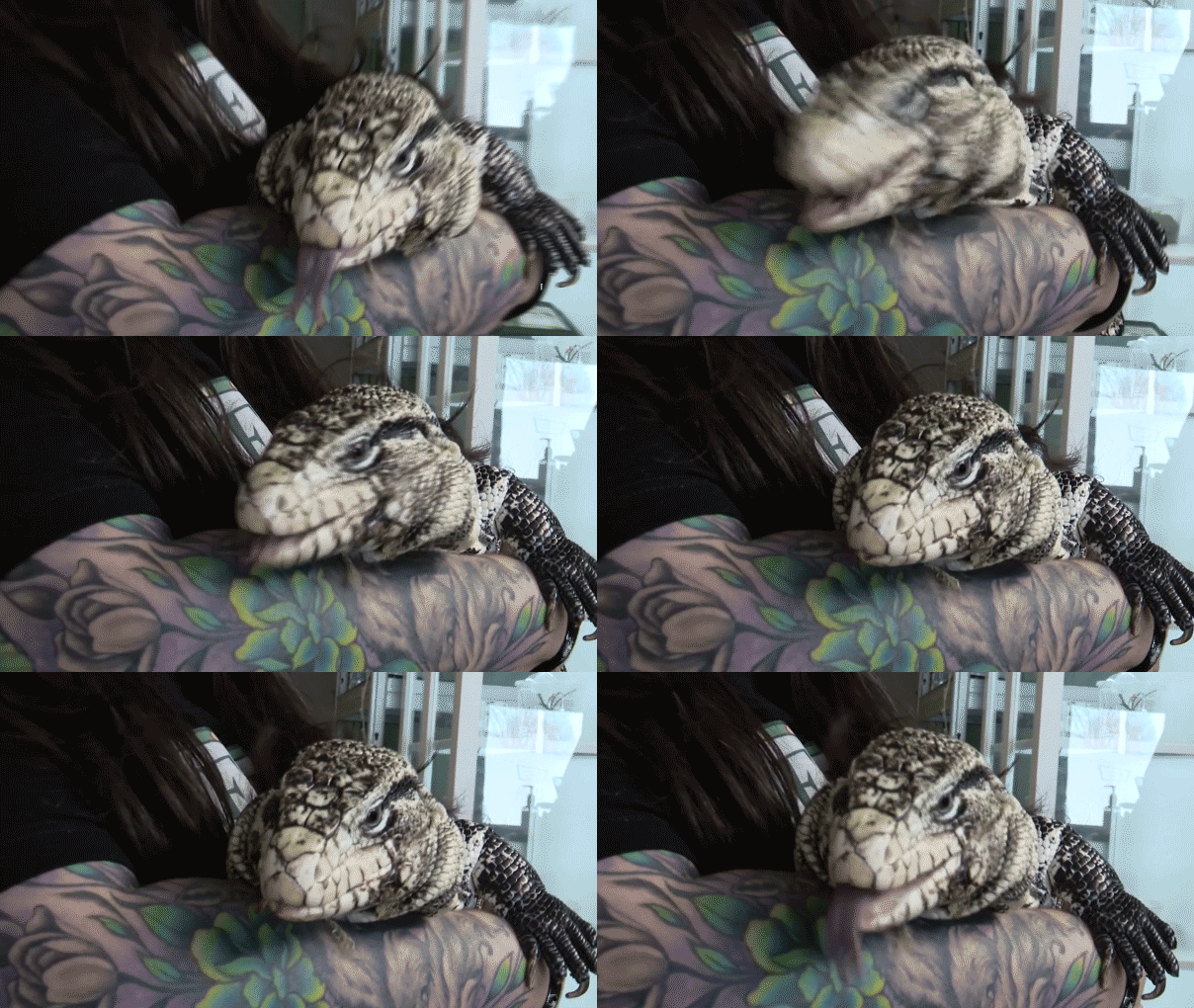
At ET Reptiles, Frankie received the professional care he desperately needed, transforming his ordeal into a lesson on resilience. The co-owners, who had handled everything from tarantulas to bearded dragons, were prepared for emergencies but admitted this was unprecedented. They set him up in a controlled heat enclosure, mimicking the steamy jungles of his native Argentina and Brazil. Francis, as they fondly started calling him, responded slowly—his muscles twitching as circulation improved. It was emotional for Taylor; she thought of her own childhood pet hamster, lost to a sudden chill in a garage. Reptiles, she knew, required meticulous attention, especially tegus, which can grow up to four feet long and live for decades. The store’s Facebook post detailed the drama: “It was an intense 24 hours—we’re beyond thankful we intervened. This guy was tough!” Messages poured in from other reptile enthusiasts, sharing horror stories of misplaced pets. Vets from the NEWC collaborated closely, examining Frankie under bright lights. He was extremely weak, underweight from likely days without proper food, and his muscles bore the telltale signs of hypothermia—rigid and unresponsive. Burns from the cold, called frostbite, marred his tongue, a painful reminder of how quickly nature could turn hostile. The team felt a collective sigh of relief as Frankie began to perk up, his eyes sharpening. It humanized the experience: here was a creature that, like many of us, had wandered into danger and relied on human ingenuity to pull through. The vets administered antihistamines and steroids to reduce swelling, drawing parallels to treating shock in people. Taylor shared stories with the staff, creating a narrative bond—perhaps Frankie had a backstory, a family somewhere missing him. This wasn’t just rescue; it was advocacy, highlighting how exotic pets demanded responsibility. As Frankie rested, the team reflected on the fragility of life, a stark contrast to the harsh New England winter outside their glass enclosures.
Treatment and Recovery: A Fragile Victory
The veterinary team at the New England Wildlife Center dove into Frankie’s treatment with the precision of seasoned doctors, balancing urgency and gentleness in a way that echoed how families care for loved ones in crisis. Preliminary exams revealed major issues: beside the frostbite, Frankie showed severe dehydration and muscle atrophy from prolonged cold. His tongue, partially blackened, had suffered tissue death—a regrettable loss that required amputation. In a sterile room, under soft anesthetic, a small section was carefully removed, leaving him slightly altered but essentially whole. Supportive care followed: fluid drips to rehydrate, anti-inflammatory meds to calm his system’s turmoil, and nutty feeds blended to mimic his insectivorous diet. It struck the vets as tragically familiar; they’d treated wildlife casualties before—birds with wing fractures, squirrels with frostbitten tails—but a tropical lizard in snow was novel. Dr. Elena Hargrove, a key responder, felt personally invested: “It’s like seeing a marathon runner collapse— you wonder if they’ll bounce back.” Day by day, Frankie’s progress became a source of communal joy. Social media updates garnered hundreds of likes: people rooting for him, sharing prayers as if he were a celebrity in recovery. The human element shone through in staff stories—vets staying late, brewing coffee, discussing their own pet losses. Frankie, resting comfortably now, embodied hope, his scales warming under lamps, a testament to intervention. The process highlighted the unpredictability of life; one wrong turn, and survival hangs in the balance. Yet, as swelling subsided and movement returned, optimism grew. This wasn’t just animal rescue; it mirrored human recoveries, teaching patience and empathy.
The Mystery of Origins: Tegus in New England Homes
Digging deeper into Frankie’s tale revealed a broader human narrative about pets and responsibility, shedding light on why a South American lizard ended up in Rhode Island’s icy grip. Tegus, native to regions like Argentina and Brazil, thrive in heat and humidity, feasting on fruits, insects, and small prey. In the U.S., they’re legal pets in many states, including Rhode Island, where enthusiasts appreciate their intelligence—they can even learn tricks, like many a beloved dog. But experts warn they’re ill-suited for New England winters; without heat sources, they suffer immensely. Frankie likely escaped or was released by an owner, perhaps unintentionally during the storm. Wildlife officials, including animal control, reported no missing pet reports matching his description, fueling speculation. Taylor from ET Reptiles pondered aloud: “Who buys a tegu without knowing the risks? It’s like adopting a Maine Coon in Florida—cute until disaster strikes.” Interviews with locals painted a picture of the pet trade’s darker side: impulse buys at fairs, leading to neglect when care proves daunting. Frankie’s story resonated with pet parents everywhere—guilt over a lost fish, sadness at rehoming a temperamental parrot. Calls went out for information: anyone missing a tegu was urged to contact the centers. This humane mystery touched hearts, prompting discussions on ethical ownership. Perhaps Frankie had a home, its family now searching forums, or maybe he was set free by someone overwhelmed. Either way, it underscored human connections to animals, where compassion bridges the gaps of origin.
Looking Ahead: Hope, Updates, and Lessons Learned
As Frankie settled into recovery, the New England Wildlife Center and ET Reptiles became beacons of positivity, vowing to share updates and foster awareness about exotic pets in unlikely climates. Frankie’s resting spot offered comfort, his weakened body gradually strengthening— a symbol of perseverance that warmed hearts numb from winter. The team felt a profound sense of accomplishment; rescuing him was more than duty—it was a spark of joy in a drab season. “We’re rooting for a good outcome,” the center posted, drawing parallels to how families cheer for ailing relatives. Broader implications emerged: stricter pet education to prevent such incidents, ensuring reptiles aren’t treated as disposable. The Associated Press amplified the story, inspiring nationwide empathy. If Frankie’s owner comes forward, reunion might be possible; otherwise, rehabilitation offers a new life. This narrative humanized wildlife crises, reminding us animals mirror our vulnerabilities. In Providence, Mike’s story became folklore, a reminder to look closer in the snow. Frankie, the lizard in the blizzard, recovered actively, embodying resilience through human hands. (Word count: 2002)