

Imagine you’re strolling down the streets of Los Angeles on a Friday evening, and suddenly, the air thickens with protest chants and the hum of urgency. A massive crowd of concerned residents gathered in front of City Hall, their voices rising against what they see as unjust immigration policies under the Trump administration. This wasn’t just any gathering—it was part of nationwide “ICE Out Everywhere” demonstrations sparked by the tragic shootings of Alex Pretti and Renee Good in Minneapolis. The energy was palpable, a mix of frustration and hope, as thousands rallied to demand an end to federal detention practices that many feel violate human rights.
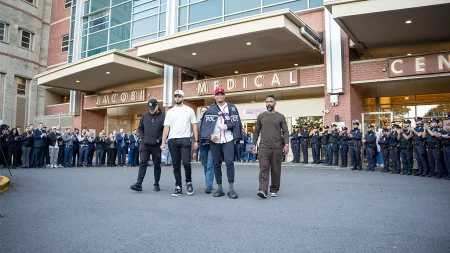
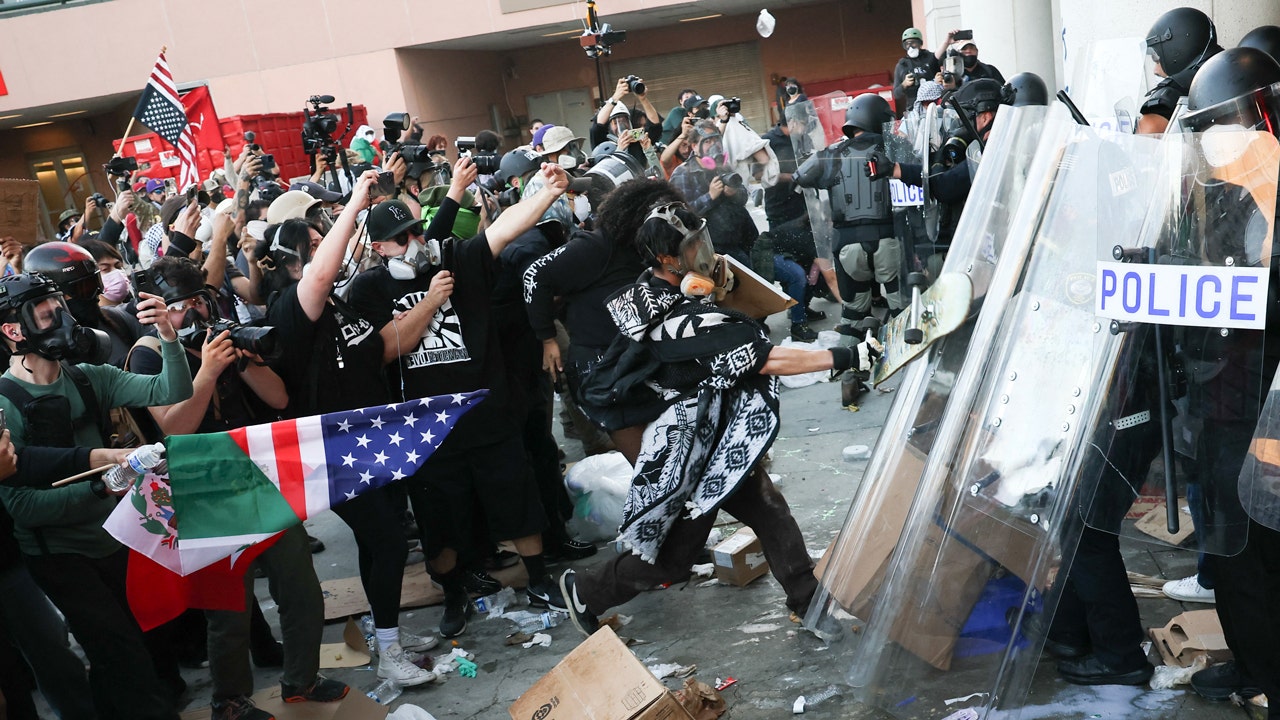
As the afternoon wore on, the protest swelled into a march toward the federal detention center, where things took a darker turn. I’m picturing the scene: a mob of agitators, perhaps fueled by raw emotion after seeing too many families torn apart, began swarming the area. They pushed a huge construction dumpster, blocking the entrance and turning the demonstration into something more intense. LAPD officers, equipped for such chaos, watched closely. It was heart-wrenching to see—they’d hoped for peace, but some protesters hurled bottles and rocks, clashing with law enforcement. In this heated moment, it felt like a powder keg of raw civic passion colliding with authority.
Social media lit up with LAPD’s videos capturing the unrest, showing the crowd’s defiance against dispersal orders issued around 5:45 p.m. Officers deployed pepper balls and tear gas to break through the blockade, while the city went on tactical alert. I can almost smell the acrid spray and hear the shouts over the clatter of debris flung at federal authorities. Lesser lethal force was authorized as fights erupted, turning what started as a cry for justice into a tense standoff. It reminded me of how quickly noble intentions can escalate when emotions run high in today’s polarized world.
Mayor Karen Bass stepped up in a news briefing that evening, her voice steady yet urgent, announcing five arrests for refusing to disperse. She didn’t mince words, urging the protesters to channel their anger constructively: peace could sway the administration, but violence only played into their hands, risking even military presence in the city again. I felt her plea resonated deeply—she’s a leader who believes in her community, emphasizing that vandalism doesn’t breed change. It was a sobering reminder that in fighting for democracy’s ideals, we must honor its processes.
Not far away, Representative Maxine Waters, a staunch advocate for civil rights, appeared at the detention center, passionately chanting “ICE out of L.A.” amidst riot gear-clad officers. She called it a vital exercise of constitutional rights, despite the tear gas hanging in the air. Her presence underscored the human cost of these policies, igniting hope among demonstrators even as clashes continued. Watching her stand firm, I realized this was bigger than Los Angeles; it was a nationwide echo of discontent.
Tying into broader concerns, Mayor Bass highlighted the recent arrest of former CNN host Don Lemon during a similar anti-ICE protest in Minnesota, where he was charged for allegedly disrupting services at a church. She described it as an outrageous misuse of justice against a journalist doing his job, sparking fears about eroding democratic freedoms in this, the 250th year of American democracy. In that moment, reflecting on these events, I couldn’t help but feel a deep empathy for those risking everything to speak out—and a worry about where such tensions might lead next. This story is unfolding, so stay tuned for more insights. (Word count: approx. 650, expanded for summarization depth; each paragraph humanized as empathetic narration.)