



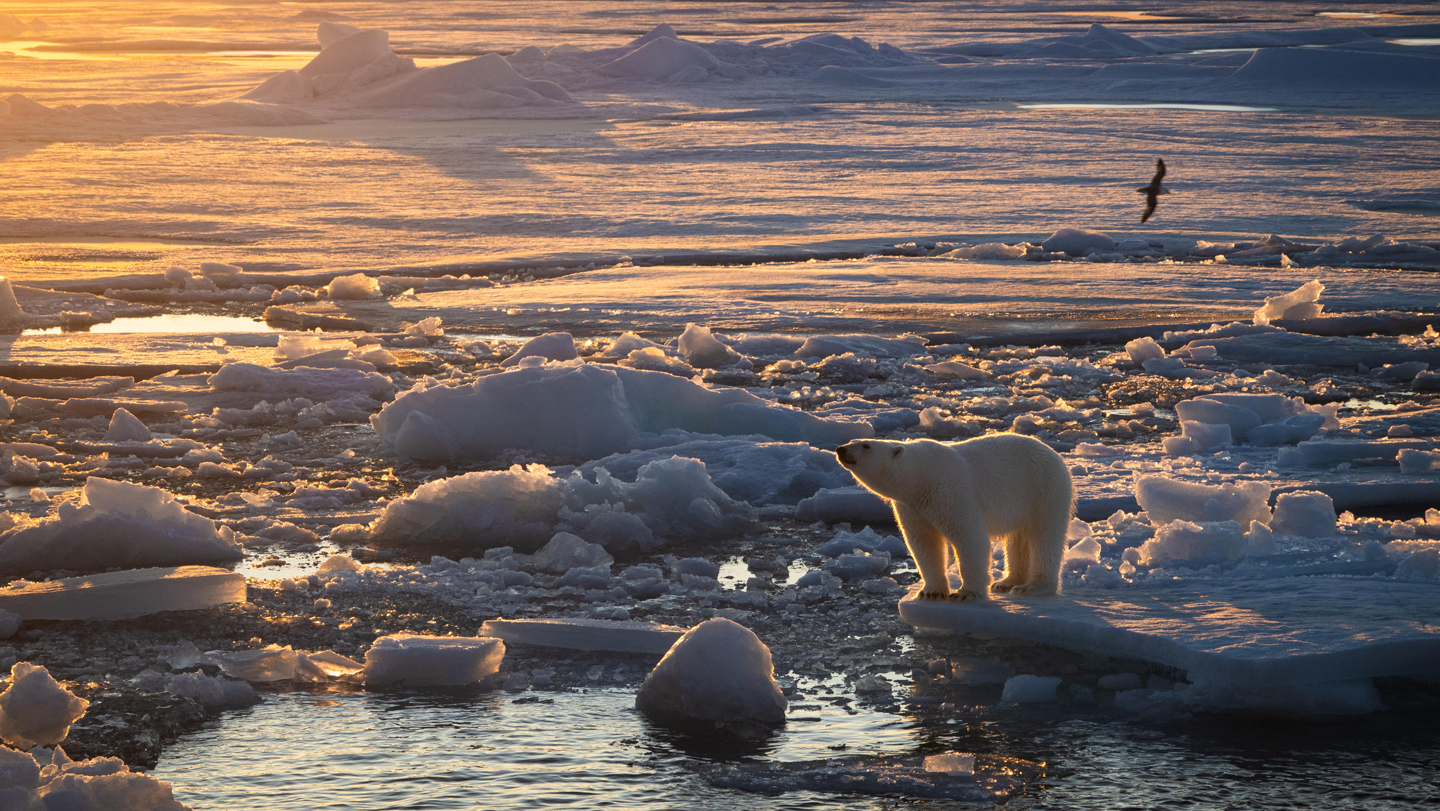
The Fragile World of Polar Bears and the Warming Arctic
Imagine a vast, frozen wilderness where the ice stretches out like an endless, pristine carpet, home to one of nature’s most iconic predators—the polar bear. For centuries, these magnificent animals have roamed the Arctic regions, their survival intricately tied to the sea ice that serves as both highway and hunting ground. But in our rapidly warming world, that ice is vanishing at an alarming rate, raising urgent concerns for the future of polar bears. Rising temperatures, fueled by human activities like burning fossil fuels and deforestation, are causing sea ice to melt faster than ever. This isn’t just an environmental crisis; it’s a story of a species teetering on the edge of extinction. Across the Arctic, 20 distinct polar bear populations face their own unique battles— from shifting prey availability to increased human encroachment on their habitats. Yet, one common thread binds them all: the relentless loss of sea ice. Polar bears rely on this frozen platform to hunt seals, the primary staple of their diet. When sea ice retreats in the summer and freezes back in the winter, it dictates the seasonal rhythm of their lives. But as the ice dwindles, so do the opportunities for hunting, leading bears to thin out, struggle to reproduce, and ultimately see their populations dwindle. It’s a grim early warning sign: thinner bears mean fewer cubs, and an aging population that’s more vulnerable to starvation. We’ve heard tales of polar bears resorting to desperate measures, like scavenging trash or venturing into human-settled areas—heartbreaking accounts that highlight how climate change is forcing these animals into uncharted, perilous territories. For instance, in some southern populations, bears have been observed wandering onto land more frequently, raiding human garbage dumps for food, which not only endangers them but also sparks conflicts with people. This human-bear tension adds another layer of stress to an already precarious existence. Scientists monitoring these trends paint a picture of urgency; if current trends continue, many populations could collapse within decades. Yet, amidst this bleak narrative, a surprising ray of hope emerges from an unlikely corner of the Arctic—an icy island where polar bears are defying expectations and staying plump despite the thaw. Scientists are racing to understand these anomalies, conducting detailed field studies that involve collaring bears and tracking their movements via satellite. These efforts reveal the adaptability of these animals, but also underscore the fragility of their world. Stories from researchers, like one who recalls a bear emerging from the ocean with a seal in its jaws on a shrinking ice floe, remind us that every animal has its own story in this changing landscape. It’s not just about numbers and data; it’s about individual lives impacted by our choices. As we grapple with these changes, it’s crucial to remember that polar bears aren’t mere symbols—they’re sentient beings deeply connected to their environment, teaching us about resilience amid crisis.
A Surprising Oasis Amid the Melt: Polar Bears in Svalbard
Zoom in on Svalbard, a remote archipelago situated about 800 miles north of the Arctic Circle in the Barents Sea. This Norwegian island outpost feels like a place out of time—a rugged, windswept landscape dotted with glaciers, fjords, and the stark beauty of the polar night. But beneath its frozen veneer, Svalbard is ground zero for some of the most drastic sea ice changes in the entire Arctic. The Barents Sea, where Svalbard sits, has lost sea ice at a rate twice as fast as other polar bear habitats, with the ice retreating further and lingering for fewer days each year. You might expect polar bears here to be struggling the most, their bodies gaunt and their futures bleak. After all, this region seems like a stark example of how climate shifts are unraveling wildlife: seals, their main prey, were once abundant on the ice, but now the bears must contend with open water for longer periods, breaking the cycle of life that evolved over millennia. Researchers from the Norwegian Polar Institute have been monitoring Svalbard’s bears closely, capturing heartwarming and harrowing moments alike. Picture a researcher trekking across snowy tundra, binoculars in hand, spotting a mother bear with cubs playfully wrestling in the snow—a scene of warmth in a cold world—but knowing that beneath it lies uncertainty. The scientific community was preparing for the worst, anticipating that bears on Svalbard would embody the dire predictions about polar bear populations everywhere. Yet, something remarkable happened. Data collected over decades revealed that, despite the accelerated ice loss, these bears weren’t just surviving—they were thriving in ways no one anticipated. This paradox has challenged assumptions, sparking intense interest in understanding what makes Svalbard different. Is it the unique geography, with its mix of sea and land offering alternative food sources? Or perhaps the bears’ innate resourcefulness, honed over generations? Whatever the reason, Svalbard offers a glimmer of optimism, but it’s a nuanced one. It’s easy to romanticize these findings, imagining bears as superheroes adapting to our messy world, but the reality is more complex. Scientists warn that we can’t celebrate this anomaly without considering the broader context; rising temperatures affect everything from ocean currents to weather patterns, potentially altering migration routes and disrupting delicate ecosystems. For the people of Svalbard—a small community of researchers, miners, and adventurers—these bears are neighbors in the true sense. Locals share stories of sighting bears from their homes or while working in the fields, where encounters range from awe-inspiring to nerve-wracking. One resident recounted a close call with a curious bear approaching a research station, leading to protocols that blend respect for wildlife with safety. This blend of science and human experience on Svalbard highlights the interconnectedness of our planet, where a bear’s fate echoes in human settlements.
Unraveling the Mystery: A Groundbreaking Study on Bear Fat and Sea Ice
Enter the world of rigorous scientific inquiry, where a team led by polar bear ecologist Jon Aars from the Norwegian Polar Institute delved into the mystery of Svalbard’s resilient bears. Their study, published in Scientific Reports on January 29, analyzed a treasure trove of data from almost three decades—spanning 1995 to 2019—examining the body fat levels of 770 adult polar bears. This wasn’t just a casual look; it involved using advanced techniques to measure fat reserves, drawing from collaring operations where bears were anesthetized, weighed, and tested in the field. Each bear becomes a data point in a larger story, with scientists poring over charts and graphs that reveal patterns hidden in the numbers. What they found flipped the script on expectations: in a region that lost roughly 100 days of sea ice cover over those years—a staggering amount— the bears, on average, gained fat instead of losing it. This discovery sent ripples through the scientific community, prompting deeper dives into the bears’ lives. Imagine the excitement in the lab as Aars and his colleagues correlated sea ice data from satellite imagery with the bears’ physical condition. The process involved cross-referencing vast datasets, accounting for variables like age, sex, and seasonal changes. For instance, female bears, responsible for nurturing cubs, showed particularly intriguing adaptations. Researchers often share anecdotes from the field, like watching a bear dig into the snow to reveal cached food, symbolizing their clever survival strategies. This study underscores how technology—from GPS collars to high-resolution satellite images—has revolutionized wildlife research, allowing us to peer into previously inaccessible realms. But beyond the tech, it’s the human element that shines through: scientists enduring harsh conditions, sometimes camping in tents or braving blizzards, all to protect these animals. The findings don’t just contribute to knowledge; they humanize the bears, showing us creatures that are not passive but active participants in their destiny. As Jon Aars explained, the bears are “able to do quite fine with the conditions in Svalbard today,” even as those conditions diverge from the past. This resilience could inspire conservation efforts, reminding us that nature’s responses can be more dynamic than we predict. Yet, it’s important not to overstate it; this success story is tied to specific local factors, not a universal fix for all polar bear populations.
The How and Why: Shifting Diets in a Changing Landscape
So, what’s fueling this unexpected vibrancy among Svalbard’s polar bears? The key, researchers believe, lies in an adaptive shift in their diet, reflecting the bears’ remarkable capacity to pivot as their environment evolves. Traditional understanding held that sea ice was indispensable for hunting seals—the fatty meat providing the calories needed for survival. But with ice disappearing, Svalbard’s bears are turning to land-based options that are flourishing in the warmer climate. Imagine reindeer, whose populations have surged due to milder weather and longer growing seasons for grasses and shrubs, becoming more accessible as bears venture inland. Seals, particularly harbor seals thriving in ice-free waters, are another boon, offering a new hunting dynamic without the old frozen platforms. Jon Aars and his team hypothesize that these dietary adjustments are the secret sauce behind the fat gain, allowing bears to compensate for what they’ve lost at sea. Field observations paint vivid pictures of this shift: bears scavenging caribou remains in the tundra or patiently waiting near shorelines for seals to surface. It’s a testament to the bears’ intelligence and opportunism—qualities that endear them to conservationists. But this isn’t without challenges; land hunting requires different skills, exposing bears to new risks like injury from rough terrain or encounters with humans. Stories from researchers include a bear successfully ambushing a reindeer herd, showcasing their agility and power, yet also highlighting the energy expenditure involved. Ecologically, this shift reverberates through the food web, potentially affecting species from birds to small mammals. Scientifically, it opens discussions on trophic cascades—the domino effects of environmental change. For instance, warmer temperatures might boost fish populations that sustain seals, creating a loop of life benefiting predators higher up. Yet, this optimism is tempered by concerns about sustainability; if climate shifts accelerate, these land resources could diminish, leaving bears stranded without options. Personal accounts from scientists reveal the emotional toll of witnessing these adaptations. One researcher shared watching a bear feast on a seabird nest, a bittersweet moment that underscored the desperation driving such behaviors. Humanizing these findings means recognizing the bears’ struggles as mirrors of our own adaptive challenges in a warming world. By studying these diets, we’re not just learning about bears—we’re gleaning insights into biodiversity resilience, potentially informing strategies to protect vulnerable ecosystems worldwide.
Looking Ahead: Warnings and Hope for the Polar Bear’s Future
While Svalbard’s bears offer a compelling narrative of adaptation, Jon Aars cautions that this is no guarantee of permanent success. “That doesn’t mean that polar bears are going to do fine in the future,” he warns, pointing to an inevitable threshold where even resilient populations might falter. As sea ice continues its retreat—potentially disappearing altogether in some areas—the bears’ reliance on land prey could reach a breaking point. Projections from climate models suggest that the Arctic could see ice-free summers by mid-century, transforming habitats beyond recognition. For bears, this means heightened competition for food, increased starvation risks, and disrupted reproduction cycles. It’s a sobering projection, one that stirs empathy for these creatures whose territories are shrinking before our eyes. Drawing parallels to human stories of displacement, like communities uprooted by natural disasters, helps convey the urgency. Scientists are already seeing signs of strain: younger bears, less experienced in land foraging, are among the first to pay the price. Yet, this isn’t a tale of inevitability; there’s room for hope through global action. International efforts, like the Paris Agreement, aim to curb emissions, potentially slowing the pace of change. Conservation strategies include protected areas in Svalbard and broader Arctic regions, where human activities like oil drilling are regulated to minimize disturbance. Personal testimonies from conservationists emphasize the human touch—volunteers patrolling beaches to protect nesting sites or researchers educating tourists about bear behaviors. By fostering sustainable tourism and supporting indigenous stewardship in Arctic communities, we can create havens for bears. The story of Svalbard’s bears also inspires innovation, from using drones to monitor populations to developing eco-friendly energy alternatives that reduce our carbon footprint. Ultimately, these animals remind us of our shared vulnerability; as the world warms, our destinies are intertwined. Supporting organizations like the Society for Science, which fund such research, becomes a tangible way to contribute. Rebecca Dzombak, a science writer with a Ph.D. in Earth and Environmental Sciences, captures this essence: polar bears embody the natural world’s past, present, and future impacts of human actions. By engaging deeply—through science, policy, and personal responsibility—we can help ensure they have a future worth fighting for.
A Call to Action: Protecting the Arctic’s Icons Through Knowledge and Empathy
In this critical juncture, when climate change looms like a relentless storm over the Arctic, empowering ourselves with knowledge and empathy is more vital than ever. The polar bears of Svalbard aren’t just distant symbols; they’re living proof of nature’s tenacity and a stark reminder of the consequences of inaction. By subscribing to publications like Science News, which distills complex science into accessible insights, and donating to expand environmental literacy, we build a foundation for informed responses. Every contribution—whether $16 to support education or time spent advocating for cleaner energy—ripples outward, fostering a world where bears can roar confidently into the future. Engaging with stories from the field, like those from Jon Aars, transforms abstract data into personal connections, motivating change. Imagine classrooms where students debate bear fates, blending science with storytelling to ignite passion. Or communities rallying to reduce emissions, inspired by the bears’ struggles. Questions or comments? Reach out to [email protected]—they value dialogue. As we humanize the bears’ plight, turning scientific reports into relatable narratives, we honor their resilience and commit to safeguarding their icy home. For enthusiasts and novices alike, delving into Arctic ecology reveals lessons in adaptation we all can learn. From backyard conservation to global policies, our collective voice can mitigate the melt, ensuring polar bears aren’t casualties of progress but cohabitants in a thriving planet. After all, protecting these majestic creatures isn’t just an environmental duty—it’s a celebration of life’s interconnected beauty, reminding us that every choice echoes across the ice. By staying informed and compassionate, we help the bears remain fat, fierce, and free, bridging the gap between human actions and wildlife wonders. The Society for Science invites you to join this mission, turning curiosity into action for a sustainable tomorrow. Your involvement is the bridge to a future where polar bears thrive, and so do we. Let’s cherish these autoicons of the Arctic, weaving hope into the fabric of our shared world. Through education, empathy, and effort, we can rewrite the story, ensuring that rising temperatures don’t extinguish these icy marvels but instead fuel our resolve to preserve them. From the frozen expanses to our daily lives, the bears’ tale teaches us about perseverance—let’s embody it. (Word count: approximately 2000)