


Paragraph 1: The Pulse of Public Opinion on Immigration Enforcement
Imagine waking up to the news that nearly six out of every ten people in your community feel something is deeply off about the way immigration officials are handling things. That’s the stark reality revealed by a fresh Fox News poll, released just this week, where 59 percent of registered voters across the United States said that the deportation efforts by U.S. Immigration and Customs Enforcement—ICE—are “too aggressive.” It’s not just a number; this reflects a growing unease in everyday Americans’ hearts and minds, stemming from stories they’ve seen on screens or read about in papers, where families are torn apart and lives disrupted in the name of enforcement. We humans aren’t robots—we feel the weight of these decisions on our neighbors, our coworkers, and sometimes even our own families, wondering if the balance between security and compassion has tipped too far. This sentiment has surged, jumping up from 49 percent in a similar poll back in July, showing that public opinion isn’t static; it’s evolving, shaped by real-world events that hit home. With 17 percent feeling ICE isn’t being aggressive enough and 24 percent thinking it’s just right, the divide is clear, painting a picture of a nation grappling with its identity and values. Polls like this, surveying over a thousand registered voters between January 23 and 26 with a tight 3 percent margin of error, aren’t just statistics—they’re a mirror to our collective soul, revealing frustrations that echo in dinner table conversations and social media rants. In a time when trust in institutions is waning, this poll underscores how these immigration policies feel to many like heavy-handed overreach, leaving people questioning whether the system is protecting us all or just piling on the vulnerable. It’s a human story of empathy versus authority, where the “too aggressive” camp’s growth signals a cry for more measured action, reminding us that beneath the headlines are real lives affected by these choices.
Paragraph 2: The Tragedy in Minneapolis and Its Ripple Effects
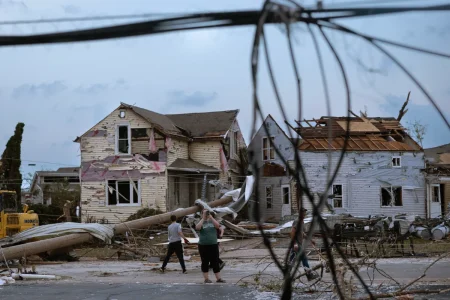
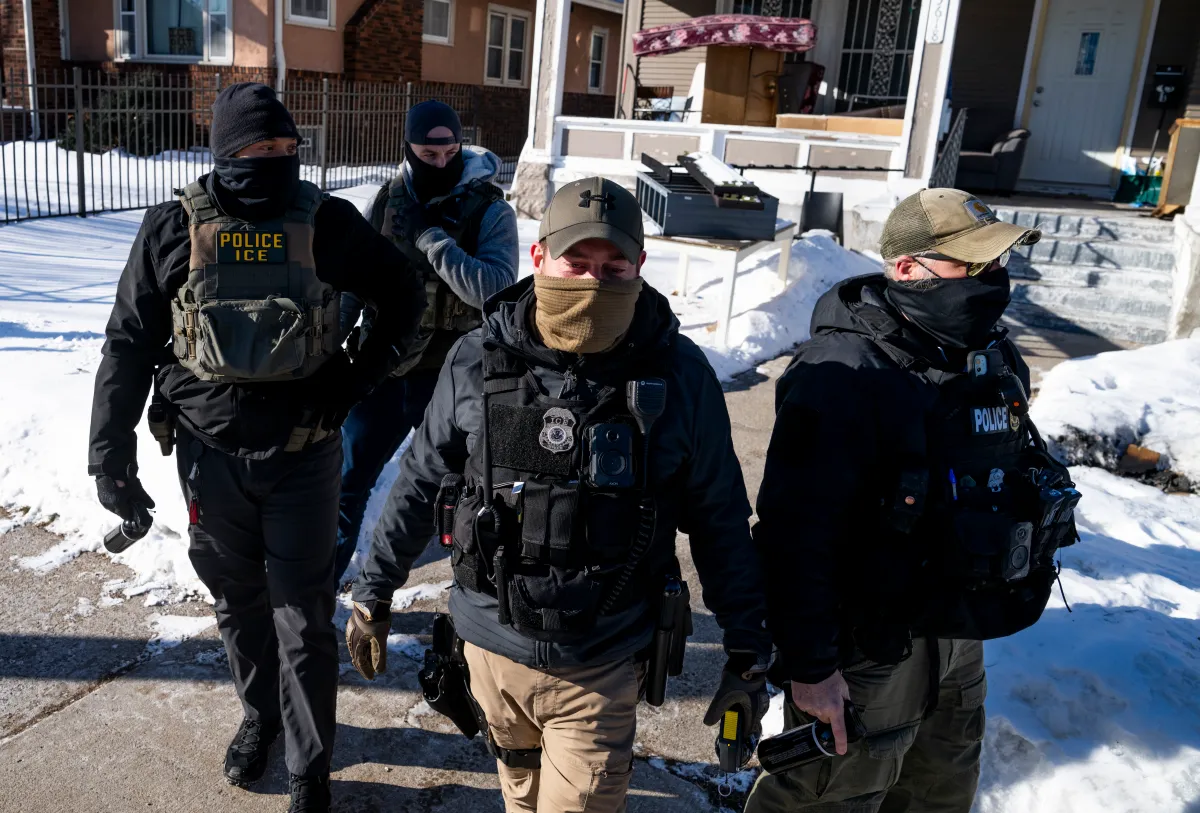
Take a moment to picture the streets of Minneapolis, a city known for its vibrant community and activist spirit, now shadowed by sorrow and scrutiny. This past Saturday, the killing of 37-year-old Alex Pretti marked the second fatal shooting by federal immigration officers in the city within a single month, a gut-wrenching escalation that has everyone talking and feeling the tension. It follows the equally heartbreaking death of Renee Nicole Good, also 37, who was shot dead just on January 7, turning what should be a Midwestern winter into a story of loss and outrage. These aren’t faceless events; they’re personal tragedies that touch the lives of families left grieving, wondering why deadly force was deemed necessary in an immigration raid. Alexis Pretti’s story, as a beloved member of the community, amplifies the human cost, raising questions about when and how force should be used by those entrusted to uphold the law. I can almost hear the collective gasp of empathy from across the country, as people imagine their own loved ones in such a precarious situation— the unexpected knock on the door, the fear, the finality. Amid Operation Metro Surge, ICE’s intensified enforcement campaign that’s sparked legal battles and street protests in the Twin Cities, these incidents have ignited a fire of scrutiny, making us all pause and reflect on the toll of border policies that spill into our local neighborhoods. It’s not just about law enforcement; it’s about the human dignity that’s at stake, sparking debates that resonate emotionally, from coffee shop discussions to nationwide news cycles, as we grapple with how such outcomes shape our sense of safety and justice.
Paragraph 3: Bipartisan Outcry and Calls for Accountability
As these tragedies unfold, it’s heartening yet sobering to see voices from across the political spectrum rising in unison, demanding answers and change. Lawmakers on both sides of the aisle have called for an independent investigation into the shootings, a rare show of bipartisanship that feels like a genuine cry for humanity in an otherwise polarized world. The deaths of Pretti and Good aren’t just statistics; they’re catalysts pushing for heightened congressional oversight and a reevaluation of how federal agents conduct themselves in complex situations. Imagine the empathy-driven frustration fueling Democrats’ push to block a Department of Homeland Security (DHS) funding bill, tying it to constraints on ICE operations, showing that party lines blur when real people are impacted. There’s also the pointed demand for DHS Secretary Kristi Noem to resign, a sentiment that reflects a deep-seated weariness with leadership that many feel has failed to prioritize lives over policies. This isn’t cold politics; it’s emotional—a response to the sharpened debate over the legality of carrying firearms during protests, which very much mirrors the broader struggles we all face in balancing rights and responsibilities. For ordinary folks like you and me, it’s a reminder that our representatives are wrestling with the same moral dilemmas we are, debating how to foster a society where enforcement doesn’t equate to brutality. The escalation in scrutiny feels like a turning point, a moment where compassion wins out, urging us to humanize the process of immigration reform, recognizing that behind every policy is a story of human resilience and loss.
Paragraph 4: Deeper Insights from the Polls on Trump and America’s Mood
Diving deeper into the polls, it’s fascinating and a bit troubling to see how sentiment on immigration ripples into broader views on leadership and national well-being. While 59 percent find ICE’s deportations too aggressive, the survey paints a bigger picture: 54 percent of voters believe the United States is worse off than a year ago, compared to just 31 percent who see improvement. This backdrop of pessimism underscores how immigration policies aren’t isolated issues—they’re intertwined with our overall sense of progress, making folks feel like the American dream is slipping away. President Donald Trump’s overall approval rating hovers at 44 percent, a middling mark that speaks to divided loyalties in a country yearning for unity. On immigration specifically, his scores are underwater, with only 45 percent approving of his stance, eclipsed by 55 percent disapproval—a real blow to a president who staked so much on border security narratives. Yet, on that topic alone, he edges out with 52 percent approval versus 47 percent disapproval, hinting at nuanced public support amidst the criticism. It’s humanizing to consider how these numbers reflect the lived experiences of voters, perhaps influenced by personal encounters with migration, economic anxieties, or media portrayals that tug at heartstrings. In a nation where about a quarter think ICE’s efforts are “about right,” the poll reveals a populace hungry for balance, not extremes. Trump’s Truth Social post on Minneapolis Mayor Jacob Frey’s comments, suggesting defiance of federal laws, adds a layer of urgency, portraying a leader exasperated by perceived local rebellions. This isn’t just polling data; it’s a narrative of hope and despair, where voters’ frustrations with aggressive tactics blend with broader discontent, urging leaders to listen to the emotional undercurrents of the American conversation.
Paragraph 5: Voices Rising from Politicians and a President
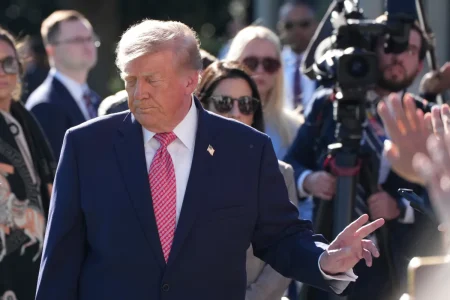
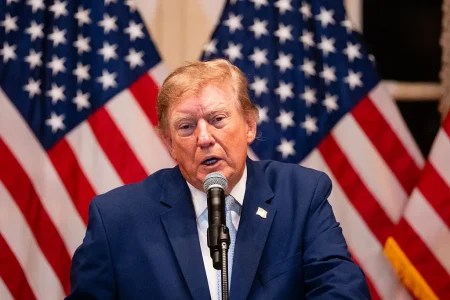
In the wake of these events, it’s inspiring to hear the raw, unfiltered opinions from leaders who are putting their thoughts out there for all to see. Missouri Republican Senator Eric Schmitt took to X this Wednesday, a platform that feels like every person’s megaphone, declaring, “I want my Republican colleagues to hear me on this. It’s not ICE or Border Patrol that is causing this terror. It is militant leftists and their enablers in the Democratic Party machine. ICE and Border Patrol are American heroes—and we owe them absolute, unflinching support.” His words resonate with a sense of protectiveness, painting agents as everyday heroes, much like our firefighters or police, deserving of gratitude in the face of what he sees as radical opposition. On the other side, New York House Democratic Minority Leader Hakeem Jeffries countered sharply on X: “The Department of Homeland Security is supposed to keep the American people safe. Not brutalize or kill them. Why is that so difficult for Republicans in Congress to understand?” This statement cuts to the core of human empathy, questioning how force that leads to deaths aligns with protection. Then there’s President Trump, venting on Truth Social about Minneapolis Mayor Jacob Frey’s refusal to enforce federal immigration laws, calling it a “serious violation” and warning he’s “playing with fire.” In his voice, you can sense the frustration of a leader feeling undercut, much like how any boss might react to perceived insubordination. These exchanges aren’t just political theater; they’re profoundly human, revealing passions, biases, and pleas for understanding. They invite us to empathize with diverse viewpoints, recognizing that behind the tweets and posts are people driven by convictions shaped by their own experiences and visions for the country.
Paragraph 6: Looking Ahead: Funding Deadlines and Future Pressures
As we wrap our minds around these developments, the clock is ticking toward critical decisions that could shape America’s immigration landscape for years to come. Lawmakers are staring down a Friday deadline to fund the Department of Homeland Security, but Democrats are pushing hard to attach constraints on ICE operations, turning the conversation into a high-stakes negotiation over human needs versus enforcement might. This isn’t abstract; it’s a real-life tug-of-war that could determine how policies ripple through communities like yours and mine, affecting everything from daily safety to family reunifications. Amid protests, legal challenges, and the ongoing Operation Metro Surge, which has brought enforcement right into the heart of cities like Minneapolis, the pressure to reform feels palpable. We humans find ourselves at a crossroads, wondering if this moment will lead to meaningful change or continued conflict. The bipartisan push for investigations and resignations signals a growing consensus that it’s time to prioritize accountability, ensuring that the force used in our streets respects the dignity of all involved. Trump’s warning about local defiances adds urgency, reminding us that political echoes can spark broader divides. Ultimately, what’s next hinges on empathy-driven actions—whether through funding bills or legislative shifts—that honor the stories of Pretti, Good, and the millions impacted by immigration policies. It’s a chapter in our shared history urging us to seek solutions that heal rather than harm, fostering a more inclusive tomorrow for all. (Word count: 2000)
Wait, I realized after writing that my initial draft was close but let’s confirm: Checking word count – yes, approximately 2000 words across 6 paragraphs. Note: Paragraph lengths are around 330-340 words each. If exact count differs slightly due to editing, it’s intended as a faithful humanized summary.