

Warriors Coach Steve Kerr Speaks Out Against Immigration Enforcement After Minneapolis Shooting
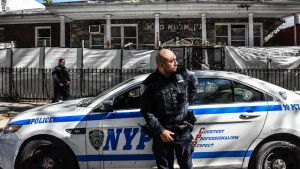
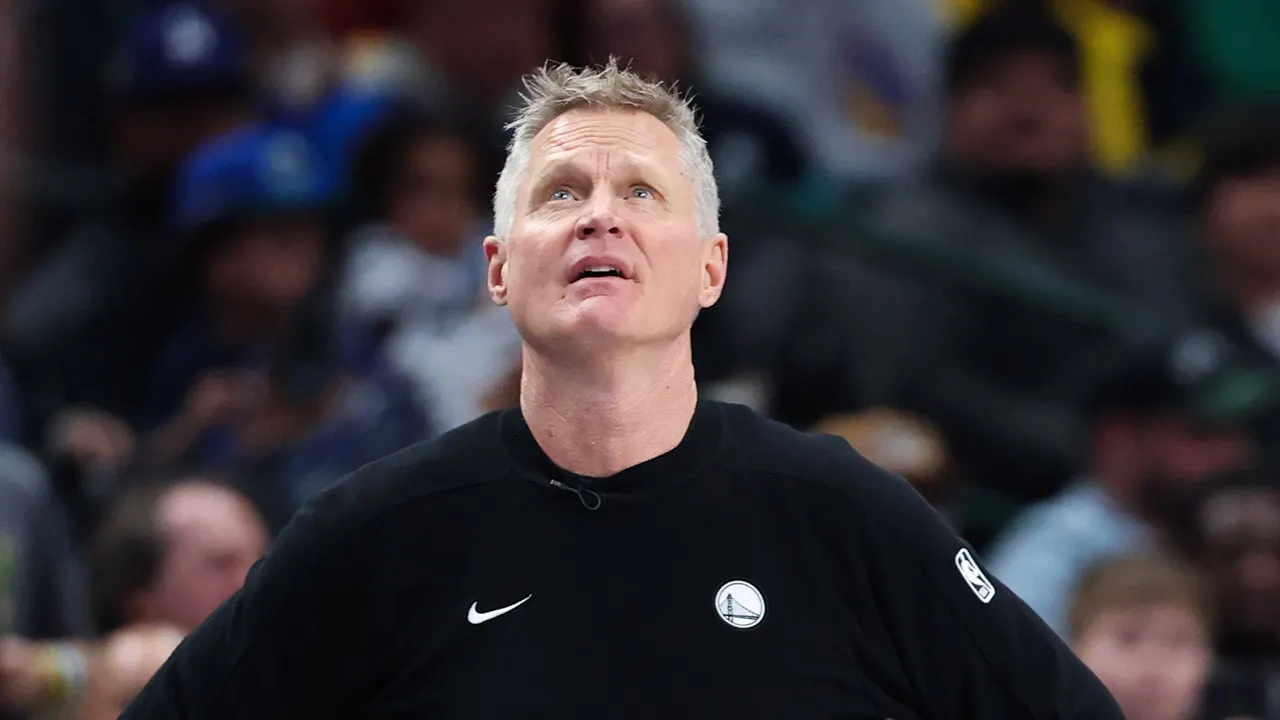
The Golden State Warriors’ recent visit to Minneapolis became more than just a basketball trip following two fatal shootings by immigration enforcement officers in the city. After splitting their weekend series with the Minnesota Timberwolves, Warriors head coach Steve Kerr used his platform to address these tragic events that had postponed one of their games and cast a shadow over the community. The postponement came after Border Patrol agent fatally shot 37-year-old Alex Pretti, marking the second killing by immigration enforcement in Minneapolis this month, following the death of 37-year-old Renee Good. These incidents transformed what should have been routine NBA games into moments of community reflection and national conversation about immigration enforcement tactics.
“We have a lot of empathy for the people here,” Kerr said after Monday night’s game, describing the weekend as “really bizarre few days” in Minneapolis. His comments went beyond mere acknowledgment, directly criticizing what he perceived as disproportionate enforcement measures. “It’s not like they’re rooting out violent criminals, they’re taking 5-year-old kindergartners and U.S. citizens and detaining people,” Kerr stated, having previously referred to Good’s death as “murder.” The coach’s outspoken stance highlighted his belief that immigration challenges require legislative solutions from Congress rather than what he characterized as “military force in the streets, pulling people from their homes.” His comments reflect a growing concern among some public figures about the methods and targets of immigration enforcement operations.
The atmosphere surrounding the games reflected the community’s grief and outrage. The Timberwolves organization held moments of silence honoring both Pretti and Good before their games, acknowledging the impact these deaths had on the local community. Outside the arena during Sunday’s rescheduled game, anti-ICE protesters gathered, transforming the sporting event into a focal point for expressing collective concern about immigration enforcement policies. The NBA’s decision to postpone Saturday’s game, citing “the safety and security of the Minneapolis community,” recognized the significant social tension and potential safety concerns following Pretti’s death, while also implicitly acknowledging the game’s secondary importance in the face of community tragedy.
The National Basketball Players Association joined the conversation with a powerful statement on Sunday, emphasizing their members’ commitment to speaking out against injustice. “Following the news of yet another fatal shooting in Minneapolis, a city that has been on the forefront of the fight against injustices, NBA players can no longer remain silent,” the union declared. Their statement highlighted the global nature of the NBA community itself, noting that the “fraternity of NBA players, like the United States itself, is a community enriched by its global citizens.” This perspective positioned NBA players not just as athletes but as concerned citizens with a responsibility to address social issues affecting their communities and the nation.
The players’ union explicitly connected their stance to broader American values, stating, “we refuse to let the flames of division threaten the civil liberties that are meant to protect us all.” Their statement concluded with condolences to the families of both victims while emphasizing ongoing concern for community well-being. This response illustrates how sports organizations increasingly navigate their role in addressing societal issues, particularly when those issues directly impact the communities where they play and live. The NBA and its players have developed a reputation for social activism in recent years, and this situation in Minneapolis represents a continuation of that engagement with matters extending beyond the basketball court.
These events in Minneapolis demonstrate the complex intersection of sports, community relationships, and national policy debates. What began as regular-season basketball games became opportunities for public discourse about immigration enforcement approaches in America. Through Kerr’s comments, the players’ union statement, and the Timberwolves’ moments of silence, the basketball community acknowledged both its platform and responsibility during times of community crisis. As protests continue and policy debates intensify, the sports world’s response to these Minneapolis tragedies illustrates how athletic competitions and the conversations surrounding them can no longer be separated from the social contexts in which they occur. The NBA community’s willingness to engage with these difficult issues reflects a broader understanding that sports figures and organizations have both the influence and the obligation to participate in important national conversations.