


Federal Intervention Brings Hope to Fire-Ravaged Los Angeles
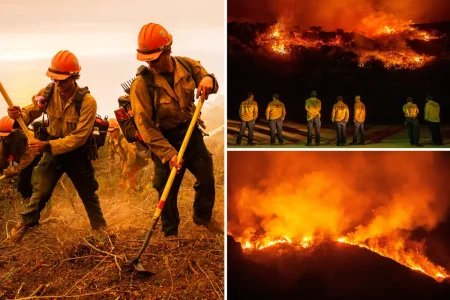
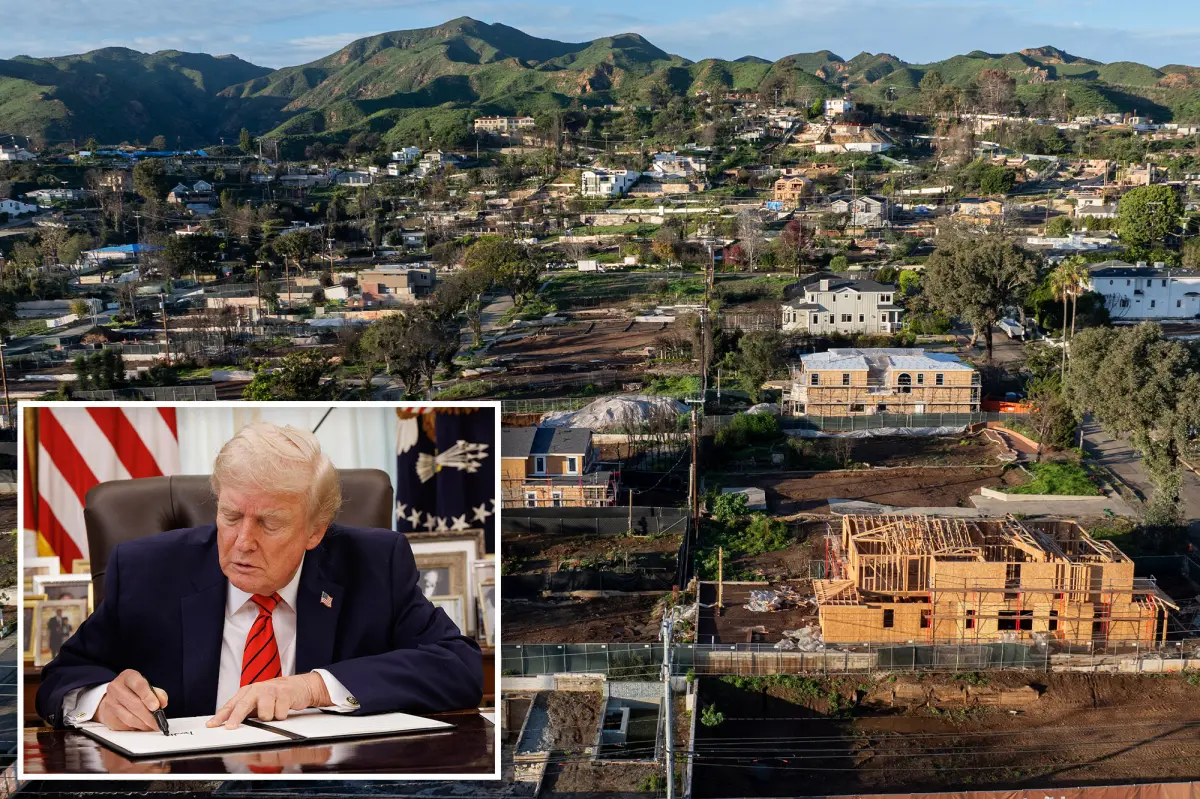
President Trump has taken decisive action to address the stalled rebuilding efforts in Los Angeles following devastating wildfires that swept through the city in January 2025. Through a seven-page executive order signed during an exclusive Oval Office interview, the President aims to bypass what he describes as bureaucratic obstacles created by California’s Democratic leadership. The order seeks to expedite reconstruction for thousands of residents who lost their homes in the Pacific Palisades and Eaton fires, which destroyed approximately 16,000 structures across nearly 40,000 acres. Despite the scale of devastation, local officials have issued only 2,600 building permits in the year since the disaster, leaving less than 15% of affected homeowners able to begin rebuilding. Trump specifically criticized California Governor Gavin Newsom and Los Angeles Mayor Karen Bass for the painfully slow response, stating his intention to “take over the city and state and just give the people their permits they want to build.”
The executive order empowers federal agencies to “preempt” state and local permitting requirements that have created what the administration calls a “nightmare” of delays. Under this directive, the Federal Emergency Management Agency (FEMA) and Small Business Administration will issue regulations allowing builders to self-certify their compliance with health, safety, and building standards to federal authorities, rather than waiting for local approval. Additionally, FEMA will examine the allocation of nearly $3 billion in Hazard Mitigation Grant Program funds provided to California, auditing whether the money has been distributed appropriately or is simply sitting unused. EPA Administrator Lee Zeldin, who previously oversaw the largest-ever EPA wildfire cleanup completed in just 28 days, has been tapped to implement this ambitious initiative. Trump praised Zeldin’s competence, saying, “I can’t imagine anybody could have done it better than him,” while emphasizing his own background in real estate development as motivation for the intervention.
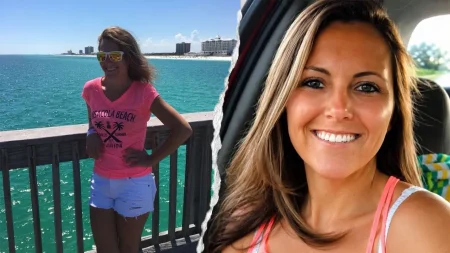
For displaced residents like Jessica Rogers, the federal action represents a desperately needed lifeline. Rogers, who lost not only her home but also her income in the fires, expressed tearful gratitude upon learning of the executive order: “We’re so desperate. We really need the help. We cannot do this on our own. Our state’s not capable, our city’s not capable… We need our federal government to come in.” Her sentiment was echoed by fellow Pacific Palisades resident Nina Madok, who praised the federal government’s previous efficiency in accelerating debris removal from an estimated timeframe of six months to just six weeks. “Having the federal government, especially with somebody like Donald Trump who is Mr. Let’s-Get-it-Done — who moves at the speed of light — makes a huge difference,” Madok told The Post, lamenting the limited personnel available at the city level to conduct necessary site inspections and plan checks.
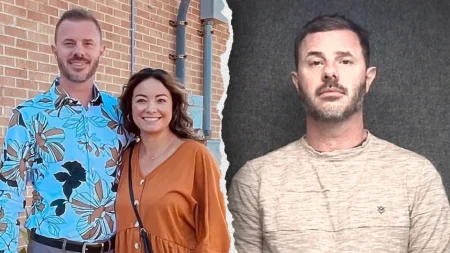
The human toll of the disaster extends far beyond property damage. The fires officially claimed 31 lives, though a public health study suggests they contributed to 440 deaths overall. For families like the Furnaris, who lost their dream home in Pacific Palisades, the focus remains on rebuilding their lives. “From day one, the goal has been to get our family back home,” Mike Furnari stated, questioning why lessons from past fire rebuilds haven’t been applied more effectively. He pointed to the paradox of the situation: “The capital is here. The infrastructure is here. Look at where we are, this is one of the most incredible places in the world. Highest value per square-foot, highest land value per square-foot in the country.” Despite these resources, fewer than a dozen homes have been fully rebuilt in Los Angeles County since the fires erupted on January 7, 2025. Further controversy arose when Mayor Bass celebrated the completion of the “first” rebuilt house, which critics noted had already been approved for demolition before the fires and simply continued its planned reconstruction.
The executive order directly challenges California’s Democratic leadership, describing the situation as “one of the greatest failures of elected political leadership in American history, from enabling the wildfires to failing to manage them, and it continues today with the abject failure to rebuild.” It criticizes poor forest management and water policy as contributing factors to the original disaster. The administration argues that inconsistent and burdensome permitting requirements have unnecessarily delayed reconstruction, while insurance payouts have proven insufficient for many homeowners. Even when federal grants have been provided, state bureaucracy has allegedly hindered their effective use, leaving thousands in limbo a year after losing everything. The order represents yet another flashpoint in the ongoing tension between the Trump administration and California’s government, which are already embroiled in legal battles over sanctuary state policies and oil pipeline operations.
The response from California officials was swift and combative. Governor Newsom’s spokeswoman, Tara Gallegos, dismissed Trump as “an old clueless idiot” who fundamentally misunderstands how local building permits work. She accused the President of lacking “leadership or compassion for this community” while being preoccupied with “picking out gaudy gold décor and new flooring for his unnecessary remodel.” Gallegos claimed that Los Angeles is “still waiting for him to grant disaster recovery funding,” advising the President to “keep LA out of his mouth unless he is planning to grant them the federal disaster funding they need.” This heated exchange underscores the political dimension of disaster recovery efforts, even as thousands of displaced Californians remain caught in the middle, desperately seeking a path forward to rebuild their shattered lives. As the executive order faces likely legal challenges from state officials, the ultimate beneficiaries—or casualties—of this intergovernmental conflict will be the fire victims themselves, who simply want to return home after a year of displacement and uncertainty.