


Federal Immigration Enforcement Tensions Escalate in Minneapolis
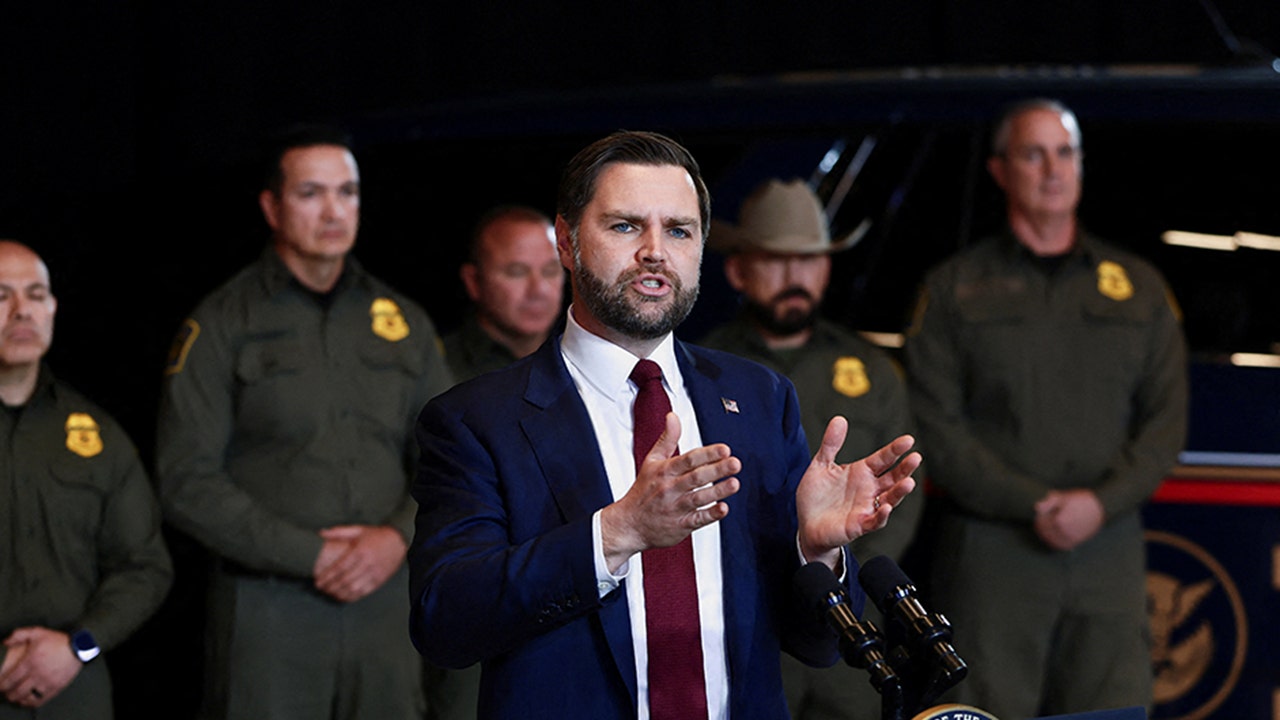
Vice President JD Vance recently shared a disturbing account of the challenges facing federal immigration officers in Minneapolis, highlighting growing tensions between federal agencies and local authorities. During a visit to the city, Vance learned of an incident where off-duty Immigration and Customs Enforcement (ICE) and Customs and Border Protection (CBP) officers faced a frightening situation while dining at a restaurant. According to Vance, these officers were doxxed—their location publicly revealed—which led to protesters mobbing the restaurant and effectively trapping the agents inside. What made the situation even more alarming was that when the officers called for assistance, local police reportedly refused to respond, following what Vance described as directions from local authorities. The federal officers were only able to leave safely when their fellow federal agents came to their rescue. This incident paints a vivid picture of the growing divide between federal immigration enforcement and local governance in certain American cities.
This confrontation represents just one example of the escalating tensions surrounding immigration enforcement in Minneapolis. Vance characterized the situation as “engineered chaos,” suggesting that local officials’ refusal to cooperate with federal immigration authorities has created an environment where such dangerous encounters can flourish. The Vice President’s comments came shortly after a tragic incident in which Alex Pretti, a 37-year-old Minneapolis nurse, was fatally shot by a U.S. Border Patrol agent during a protest against federal immigration operations. According to authorities, Pretti, who was carrying a licensed handgun, was shot after attempting to intervene in an operation and resisting arrest. This fatal encounter has further inflamed an already volatile situation, with protestors demanding accountability from federal agencies while officials like Vance defend the difficult position in which immigration officers find themselves.
The Minneapolis tensions reflect broader national divisions over immigration enforcement policies. Vance pointedly criticized local officials, stating they “have created the chaos so they can have moments like yesterday, where someone tragically dies and politicians get to grandstand about the evils of enforcing the border.” This accusation suggests a view that some local governments are deliberately obstructing federal immigration enforcement for political purposes. For their part, critics of aggressive immigration enforcement, including prominent figures like Barack and Michelle Obama who spoke out following the Minneapolis shooting, argue for greater accountability from agencies like ICE and CBP. These contrasting perspectives highlight how immigration enforcement has become a deeply divisive issue, with fundamental disagreements about the proper balance between federal authority and local autonomy in determining how immigration laws should be enforced within communities.
The situation in Minneapolis also demonstrates how immigration enforcement has become intertwined with broader issues of public safety and community relations. When federal officers cannot count on local police for backup in potentially dangerous situations, it creates a concerning breakdown in the intergovernmental cooperation typically necessary for effective law enforcement. Vance’s account of officers being trapped in a restaurant while local police refused to respond raises serious questions about the safety implications of policies that restrict cooperation between local and federal agencies. At the same time, incidents like the fatal shooting of Alex Pretti highlight concerns among local residents about federal enforcement actions in their communities, particularly when they result in violence or perceived overreach. This tension between ensuring officer safety and addressing community concerns about enforcement tactics presents a significant challenge for policymakers at all levels.
The human impact of these tensions cannot be overlooked. Behind the political rhetoric are real people—both the immigration officers attempting to perform their duties in increasingly hostile environments and community members concerned about how enforcement actions affect their neighborhoods and families. The incident described by Vance reveals how individual officers can find themselves caught in frightening situations, surrounded by angry protesters and unable to count on typical law enforcement support structures. Similarly, the death of Alex Pretti represents a profound tragedy for his family, friends, and the broader Minneapolis community, regardless of one’s views on the circumstances surrounding the shooting. These personal dimensions underscore that beyond the policy debates are human lives significantly affected by how immigration enforcement plays out on the ground in American cities.
Looking forward, Vance’s call for Minneapolis authorities to “stop this madness” reflects one perspective on how to address these tensions, focusing on greater cooperation with federal immigration enforcement. However, finding sustainable solutions will likely require more nuanced approaches that acknowledge legitimate concerns on all sides. Local officials, including Minnesota Governor Tim Walz and Minneapolis Mayor Jacob Frey (who did not immediately respond to Fox News Digital’s request for comment), face difficult decisions in balancing community sentiment about immigration enforcement with their responsibilities regarding public safety and intergovernmental relations. Meanwhile, federal agencies must consider how their enforcement strategies affect community trust and whether adjustments might better serve their mission while reducing dangerous confrontations. As immigration remains a contentious political issue nationally, Minneapolis stands as a stark example of how tensions between different levels of government can create volatile situations with potentially tragic consequences for all involved.