


Iran’s Growing Drone Threat Amid Regional Tensions
In the shadow of escalating Middle Eastern tensions, Iran’s evolving drone capabilities pose an increasingly serious threat to U.S. military assets being deployed to the region. As reports circulate that Iran’s Supreme Leader Ayatollah Ali Khamenei has retreated to underground fortified shelters, experts warn that American naval forces could face a dangerous new reality in asymmetric warfare. The current U.S. military buildup, including the approaching USS Abraham Lincoln aircraft carrier strike group, enters a battlefield where traditional military advantages may be neutralized by swarms of low-cost Iranian drones.
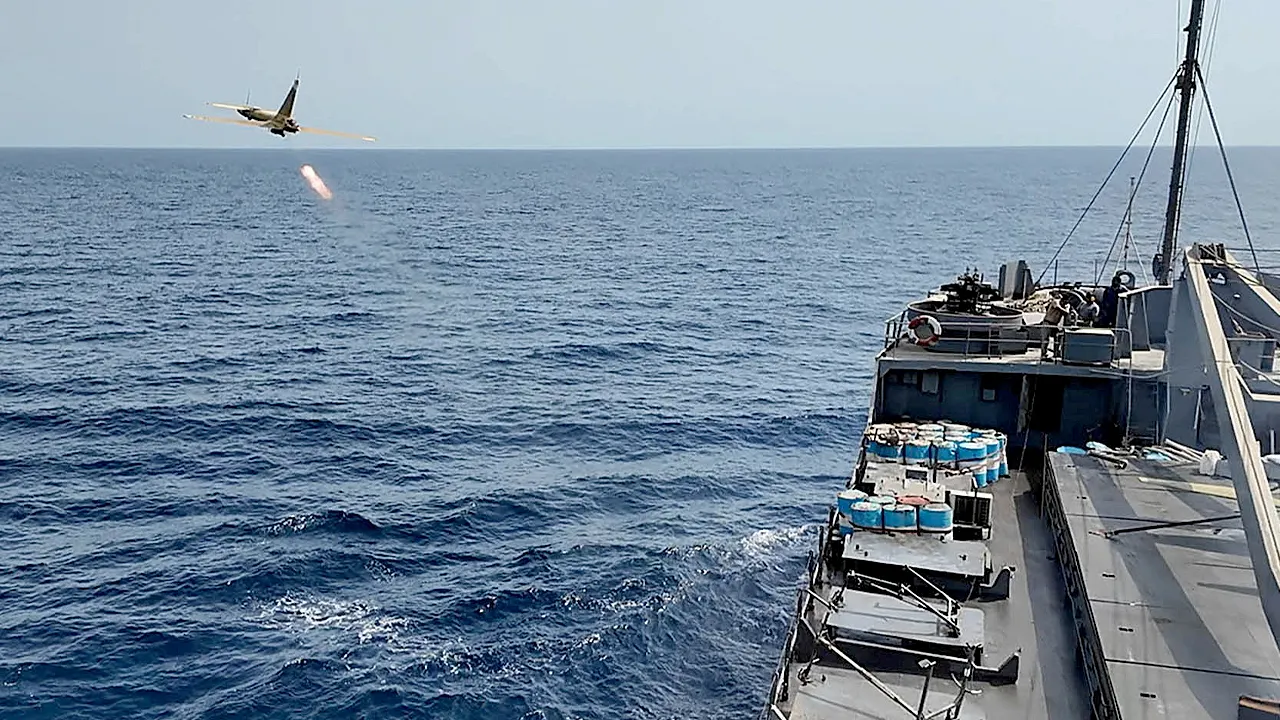
According to Cameron Chell, CEO and co-founder of Draganfly and a leading military drone expert, Iran’s drone program represents a multimillion-dollar investment in asymmetric warfare technology. “Iran’s drone capabilities are worth well into the tens of millions of dollars,” Chell explained in recent statements. The strategic brilliance behind Iran’s approach lies in its simplicity: pairing inexpensive delivery platforms with basic warheads creates a cost-effective counter to America’s sophisticated and expensive military systems. This strategy allows Iran to launch hundreds of relatively unsophisticated drones simultaneously, creating “saturation attacks” that could potentially overwhelm traditional defense systems. When hundreds of drones attack in a short timeframe, Chell warns, “some are almost certain to get through,” as modern defense systems weren’t originally designed to counter such overwhelming numbers.
The USS Abraham Lincoln aircraft carrier strike group currently approaching the region represents both America’s military might and its vulnerability. While a senior U.S. official confirmed the strike group had not yet entered the U.S. Central Command’s area of responsibility in the Indian Ocean, its arrival will mark a significant escalation in military posture. The American buildup also includes a squadron of F-15 fighter jets deployed to the region and C-17 aircraft carrying heavy equipment. However, even after the carrier strike group fully arrives on station – a process that will take several days once it enters CENTCOM’s operational area – questions remain about its defensive capabilities against Iran’s drone tactics. As Chell points out, “U.S. assets in the region are large, slow-moving, and easily identifiable on radar, which makes them targetable,” creating an inherent vulnerability that Iran’s drone program is specifically designed to exploit.
Iran’s military strategy has focused on developing strong capabilities in Category One and Category Two drone systems – the low-cost platforms that can be mass-produced and effectively deployed in asymmetric warfare scenarios. While Iran remains “decades behind the United States” in more sophisticated Category Three systems according to Chell, this gap matters little in their current strategy. “Iran’s strength lies instead in these low-cost, high-volume drone systems—particularly one-way strike drones designed to fly into a target and detonate,” Chell explained. This approach doesn’t require technological parity with American systems; it simply requires enough drones to overwhelm defenses through sheer numbers. The uncertainty over whether new defensive capabilities aboard the USS Abraham Lincoln carrier group can effectively manage multiple Iranian drones flying in formation highlights the evolving nature of this threat and the ongoing arms race between offensive drone swarms and the systems designed to counter them.
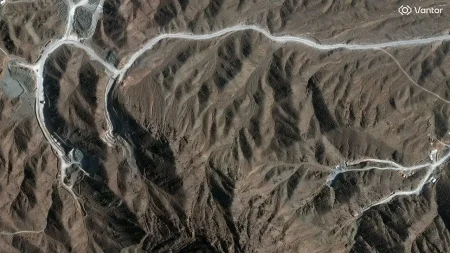
The current military tensions unfold against a backdrop of significant internal turmoil within Iran. Widespread protests erupted on December 28, reflecting mounting public discontent with the regime. The Human Rights Activists News Agency has reported alarming casualty figures, with 5,459 confirmed cases and over 17,000 more under investigation as of recent counts. These domestic pressures may influence Iran’s strategic calculations, potentially making the regime more unpredictable. Reports that Supreme Leader Khamenei has moved to a fortified underground shelter following assessments of increased risk from potential U.S. strikes underscore the seriousness with which Iranian leadership views the current situation. This movement of key leadership to secure locations suggests preparations for possible conflict scenarios, even as diplomatic channels presumably remain open.
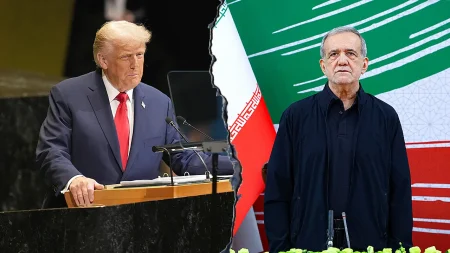
President Donald Trump addressed the U.S. military deployment on January 21, stating, “We have a big flotilla going in that direction, and we’ll see what happens. We have a big force going towards Iran. I’d rather not see anything happen, but we’re watching them very closely.” This careful language reflects the delicate balance American leadership must maintain – projecting strength and resolve while avoiding rhetoric that might trigger unintended escalation. As the USS Abraham Lincoln carrier group approaches its operational area, both nations find themselves in a precarious position where miscalculation could have profound consequences. The emerging drone warfare capabilities add an unpredictable element to this equation, creating a situation where traditional military superiority doesn’t necessarily translate to tactical advantage. The coming days and weeks will test both nations’ strategic patience and their ability to navigate these treacherous waters without triggering a wider conflict that neither side truly desires.