


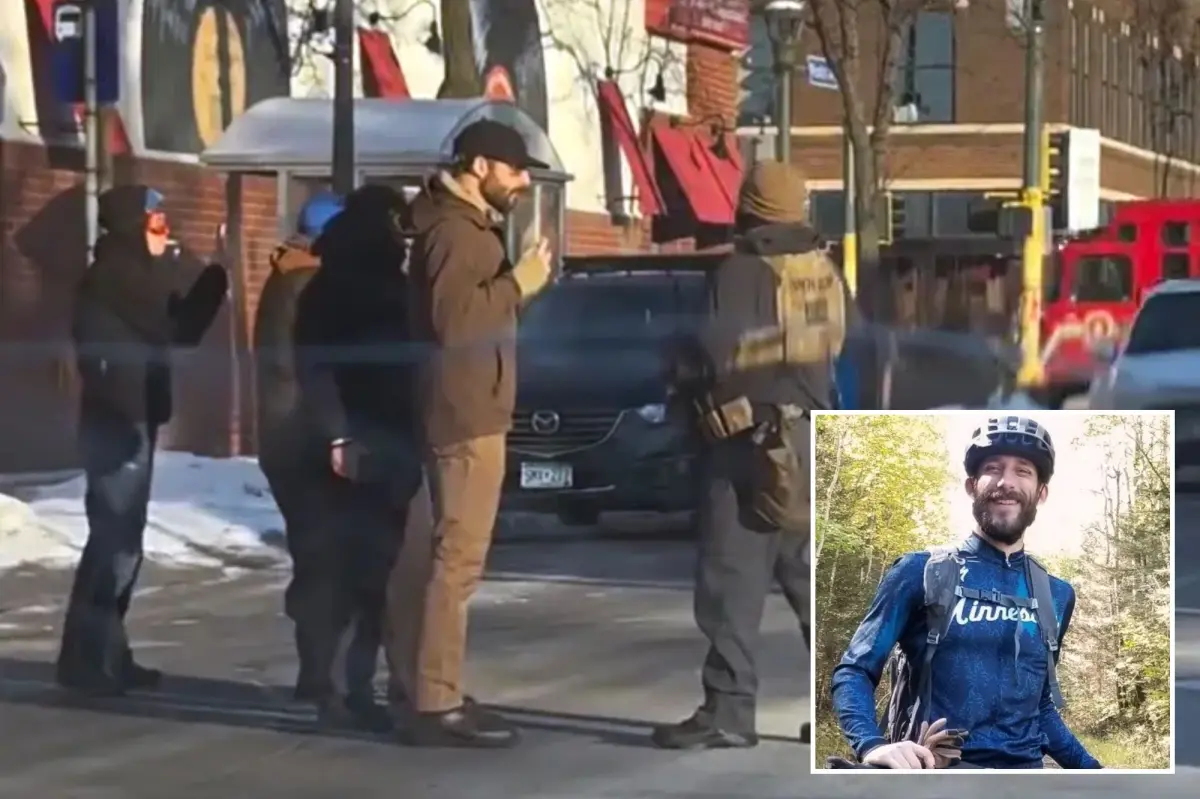
Federal Court Intervenes in Minneapolis Protest Shooting Investigation
In a significant development following the tragic shooting of anti-ICE protester Alex Pretti in Minneapolis, a federal judge has issued a temporary restraining order against the Department of Homeland Security. Judge Eric Tostrud’s decision prevents DHS officials from destroying or altering evidence related to the incident, highlighting the tension between state and federal authorities in the aftermath of this controversial death. The order, which came at the request of the Minnesota Bureau of Criminal Apprehension (BCA), marks an unusual intervention in what has become a contentious investigation with implications for federal-state jurisdictional boundaries and accountability in law enforcement actions.
The restraining order represents just the beginning of what may become a protracted legal battle between Minnesota state investigators and federal homeland security officials. Judge Tostrud, a Trump appointee to the federal bench, has given DHS Secretary Kristi Noem and other defendants until Monday afternoon to file any objections or responses before deciding whether to extend the temporary measure. This timeline creates a narrow window for both sides to present their positions in a case that has already drawn national attention. The court’s involvement follows allegations from state authorities that federal agents improperly handled evidence at the shooting scene and obstructed state investigators—claims that raise serious questions about protocols when federal operations result in civilian casualties.
At the heart of this legal confrontation is the BCA’s lawsuit claiming that DHS representatives prevented state investigators from accessing the shooting scene, despite the BCA having obtained a signed search warrant from a judge. This alleged obstruction occurred during a federal operation to detain what officials described as an “alleged criminal migrant” in south Minneapolis on Saturday morning. The confrontation between state and federal authorities adds another layer of complexity to an already tragic situation, as Pretti, a 37-year-old described as an ICE nurse who was also protesting ICE actions, lost their life amid circumstances that remain under investigation. The unusual step of a state law enforcement agency seeking a restraining order against a federal department underscores the gravity of the situation and the competing interests involved.
The case has particular resonance given the backdrop of immigration enforcement policies and protests that have become increasingly polarized in American society. As an anti-ICE protester, Pretti’s death during an Immigration and Customs Enforcement operation has galvanized attention from both immigration rights advocates and those supporting stricter enforcement measures. While details about what precisely transpired during the fatal encounter remain limited in the available information, the incident clearly occurred within the context of ongoing tensions surrounding immigration enforcement actions in American communities. The court’s involvement represents an attempt to ensure that evidence is preserved so that a full accounting of the events can eventually be determined, regardless of which agencies ultimately conduct the investigation.
The jurisdictional dispute between state and federal authorities highlights broader questions about oversight and accountability in cases where federal law enforcement actions result in civilian deaths. The BCA, as Minnesota’s primary investigative bureau, would typically lead investigations into officer-involved shootings within the state. However, when federal agents are involved, questions of jurisdictional authority and investigative primacy can become complicated. The court’s restraining order suggests concern that evidence preservation standards may not be uniform between agencies, or that federal authorities might not fully cooperate with state investigators. This interagency conflict adds another dimension to a case already fraught with political and social implications about immigration enforcement and the right to protest.
As the Monday deadline approaches for DHS to respond to the restraining order, both state and federal officials will need to navigate a complex legal landscape while under intense public scrutiny. The outcome of this jurisdictional dispute will not only determine how the investigation into Pretti’s death proceeds but could also establish precedent for future cases involving federal operations that result in civilian casualties. Meanwhile, a community mourns the loss of a life, advocates on both sides of the immigration debate seek to frame the narrative around the incident, and the courts attempt to ensure that whatever investigation follows has access to untampered evidence. The temporary restraining order represents just the opening chapter in what promises to be a consequential legal process with implications far beyond Minneapolis.