

The Evolution of Rookie Attitudes in the NFL: Cam Skattebo’s Perspective
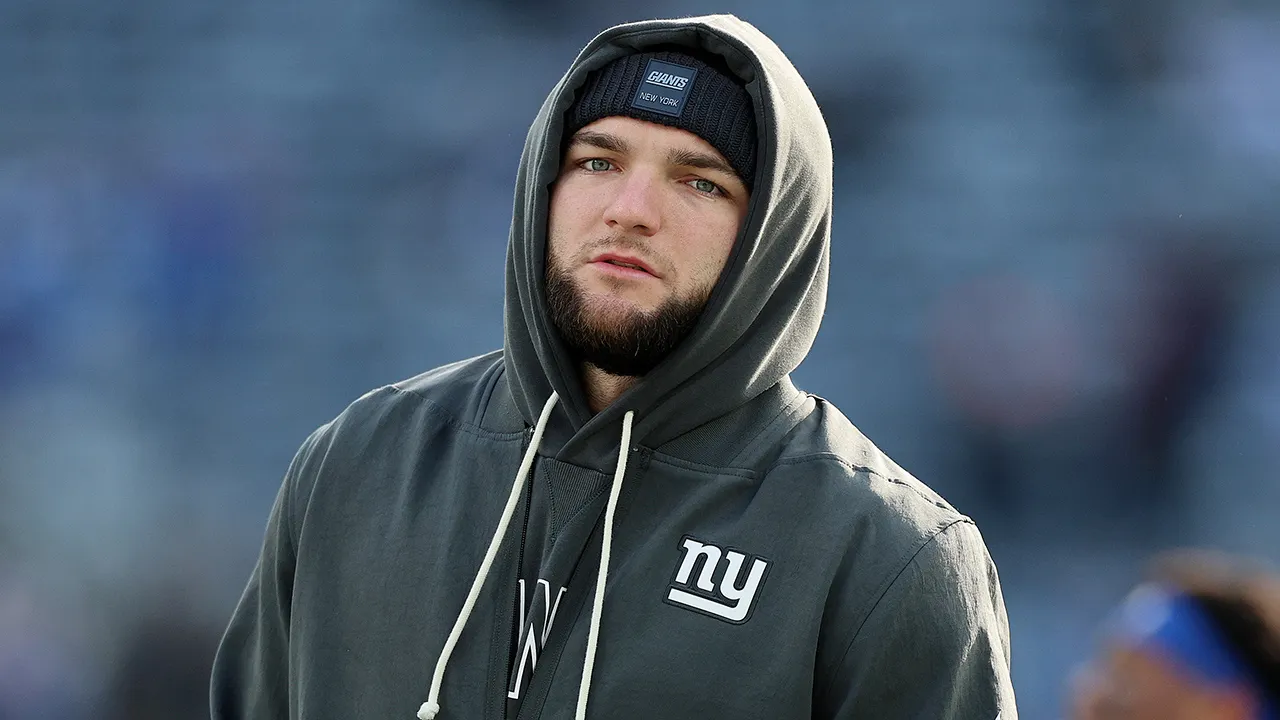
New York Giants running back Cam Skattebo recently shared some candid observations about how the dynamics between NFL rookies and veterans are changing, largely due to the influence of Name, Image, and Likeness (NIL) deals in college football. During an appearance on the “Roommates Show,” the 23-year-old fourth-round pick from Arizona State discussed how the substantial earnings some college players now make before entering the professional ranks have shifted traditional rookie-veteran relationships. While careful not to name specific individuals or implicate his Giants teammates, Skattebo painted a picture of evolving attitudes that challenge long-established NFL culture and hierarchies.
According to Skattebo, the financial landscape has dramatically changed for young players entering the league. “The rookies that come in have made $2-3 million in college, like they think they hot s—,” he explained, highlighting how some rookies now arrive in the NFL having already earned more than veterans with several years of professional experience. This financial head start appears to be influencing behavior, with Skattebo noting that veterans frequently comment that today’s rookies are less receptive to guidance and tradition than their predecessors. The running back observed a correlation between pre-NFL earnings and a sense of entitlement among some newcomers, suggesting that financial success in college has diminished the humbling experience that rookie status traditionally represented in professional football.
The changing dynamic manifests in practical ways around team facilities. Skattebo shared examples of rookie duties – small responsibilities assigned to first-year players as part of NFL tradition – being rejected by some newcomers who feel their college accomplishments and earnings exempt them from such tasks. “Some rookies are going to tell you, like, ‘Bro, I’m not going to get you snacks, bro. You can go get your own snacks,'” he explained, contrasting this with his own approach. Skattebo emphasized that he embraced his role as a “good rook,” willingly fulfilling requests from veterans as part of paying his dues in the professional ranks. “If my vets tell me to go get some snacks for the running back room for weeks in and weeks out, like I’m going to go get the snacks,” he said, presenting himself as someone who respects the established culture despite the changing landscape.
The implications of this shift extend beyond simple tasks and touch on deeper aspects of team culture and player development. For decades, the NFL’s unwritten rookie system has served multiple purposes – establishing respect for those who came before, teaching humility, and integrating newcomers into team dynamics. Veterans often see these traditions as valuable lessons that helped shape their own careers and professional attitudes. As NIL deals continue to grow in college sports, with some top prospects now earning seven-figure sums before draft day, the financial leverage that once gave veterans unquestioned authority has diminished. This economic shift appears to be accelerating changes in how young players view their place in the professional hierarchy, potentially altering team dynamics and relationships that have been foundational to NFL culture.
Skattebo himself represents an interesting case study in navigating this changing landscape. Despite being part of the NIL generation, he appears to have embraced traditional rookie responsibilities while still establishing himself as a valuable contributor on the field. Before his season-ending injury, Skattebo had accumulated 410 rushing yards with five touchdowns on the ground and added 24 receptions for 207 yards with two receiving touchdowns in eight games. His versatile play and physical running style quickly endeared him to Giants fans, demonstrating that embracing veteran guidance and traditional rookie roles doesn’t necessarily conflict with on-field success and development. His ability to balance respect for tradition with performance might offer a template for successfully integrating into professional football culture.
As college athletics continue to evolve with expanding NIL opportunities, professional sports leagues like the NFL will likely face ongoing adjustments to their established cultures. Skattebo’s observations highlight a tension point in this evolution – the collision between traditional professional sports hierarchies and the increasingly professionalized college athletic experience. Teams and organizations may need to reconsider how they integrate new players who arrive with different financial backgrounds and expectations than previous generations. While some traditions may fade or transform, the fundamental need for team cohesion, respect between teammates, and the passing of knowledge from experienced players to newcomers remains essential to successful professional sports organizations. How the league navigates this cultural shift may ultimately influence team chemistry, player development, and the overall character of professional football in the coming years.