


Ted Cruz’s Homecoming Sparks Controversy Amid Winter Storm Concerns
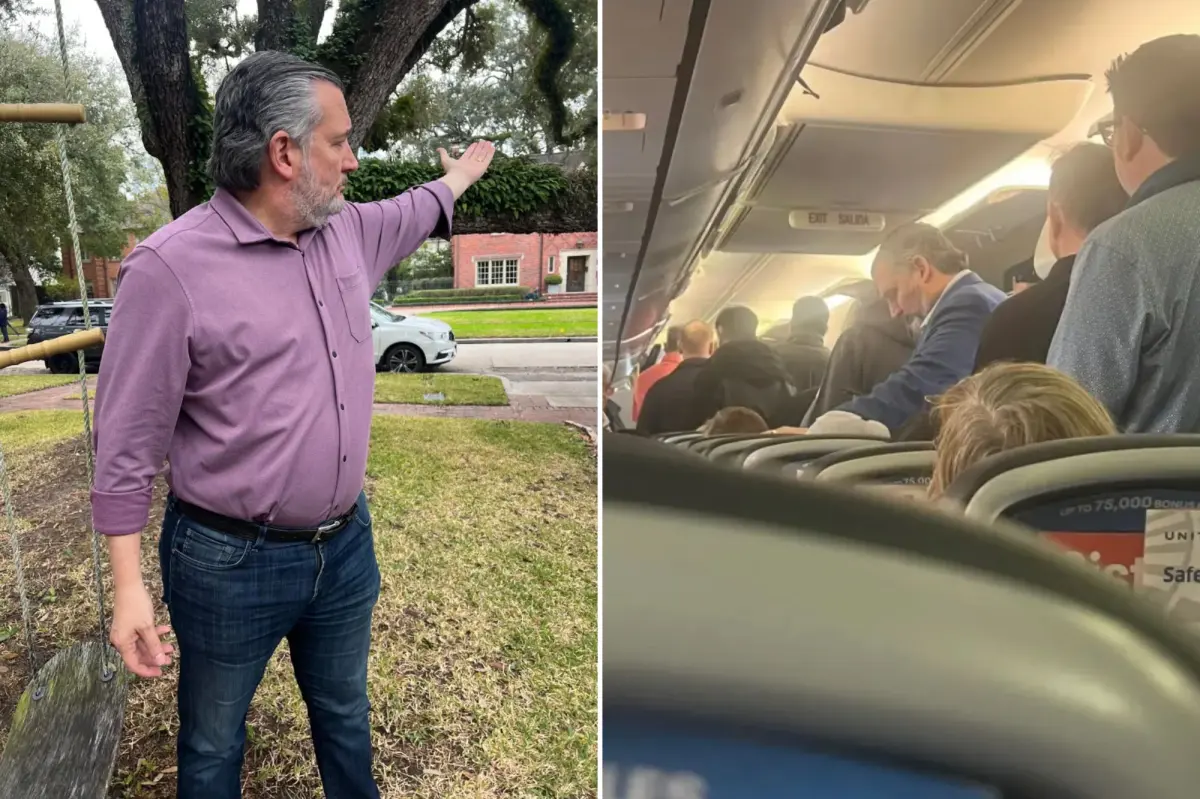
In a display of his characteristic wit and defiance, Senator Ted Cruz returned to Texas on Friday, addressing critics with a pointed social media post after being criticized for a work trip to California just days before a severe winter storm was forecast to hit his home state. “I’ve returned home from my work trip,” the 53-year-old Texas Republican wrote on X, sharing a photo of himself with his hand raised skyward. “It’s 66 degrees & beautiful. A storm is expected tomorrow night. But I am reliably informed by Twitter that if I simply raise up my hand on Texas soil, the storm will turn around & sunshine, rainbows & unicorns will emerge. Let it be.”
The controversy began when a photo of Cruz aboard a United Airlines flight reportedly heading to Laguna Beach went viral on Tuesday. The timing couldn’t have been more politically problematic, as Winter Storm Fern approached Texas, threatening to bring dangerous conditions to the state. Cruz’s office quickly defended the senator, explaining that the trip had been planned weeks in advance, before the storm was forecast, and assuring constituents that “He will be back in Texas before the storm is projected to hit.” True to this promise, Cruz did return before the storm’s arrival, though his sarcastic response suggests frustration with the public scrutiny.
For many Texans, this situation carried uncomfortable echoes of February 2021, when Cruz faced intense backlash for flying his family to Cancun during Winter Storm Uri, which devastated Texas with power outages and freezing temperatures that resulted in multiple deaths. That trip became a political firestorm that forced Cruz to return early and admit the vacation was a “mistake.” Critics were quick to draw parallels between these events, with some also pointing to Cruz’s trip to Greece during deadly floods in Texas’ Hill Country last summer, creating a pattern that has proven difficult for the senator to shake.
The timing of Cruz’s California trip was particularly sensitive given the forecasts for Winter Storm Fern, which meteorologists warned could be a “widespread potentially catastrophic event” stretching from Texas to the Carolinas. By Friday afternoon, as Cruz returned to Texas, the storm had already begun battering the state, knocking out power to thousands and coating roads with dangerous freezing rain, ice, and sleet. The approaching weather system presented a serious threat to Texans’ safety and well-being, making any perception of a senator’s absence particularly problematic from a political standpoint.
Cruz’s response illustrates the challenging balance public officials must strike between their personal and professional lives and their responsibilities during crises. While his office maintained that this was pre-planned work travel rather than a vacation, the optics of leaving the state before a potential emergency resonated poorly with many constituents and observers. The senator’s sarcastic post about using magical powers to dispel the storm suggests he feels unfairly targeted, but also demonstrates his understanding of the political symbolism at play and his willingness to engage directly with critics.
As winter storm conditions intensify across Texas and move eastward, the political fallout from this incident will likely be overshadowed by the immediate concerns of public safety and infrastructure resilience. However, the controversy highlights the heightened expectations placed on elected officials during natural disasters and emergencies, particularly in a state like Texas that has experienced several severe weather events in recent years. For Senator Cruz, whose political brand has long embraced confrontation and unapologetic conservatism, the incident represents another chapter in his complex relationship with constituents who expect their representatives to be visibly present during times of crisis, regardless of whether their presence has practical impact on storm response efforts.