

A Violent Escalation: Federal Officer’s Finger Severed During Minneapolis Protests
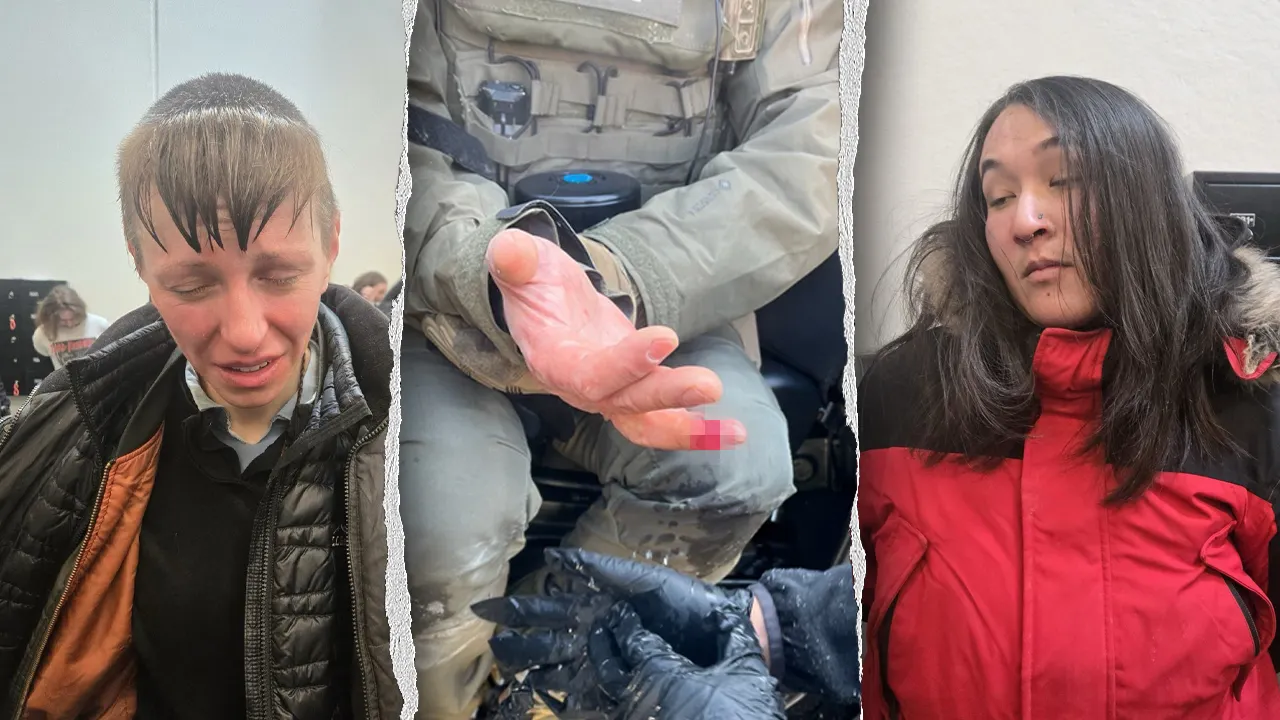
In a disturbing development highlighting the increasingly violent tensions surrounding immigration enforcement, Homeland Security Assistant Secretary Tricia McLaughlin revealed Saturday that a federal law enforcement officer had part of their finger bitten off during confrontations with protesters in Minneapolis. McLaughlin shared graphic evidence of the assault on social media, writing, “In Minneapolis, these rioters attacked our law enforcement officer and one of them bit off our HSI officer’s finger. He will lose his finger.” The post included images of individuals apparently in custody, though it remained unclear which person was allegedly responsible for the bite. This alarming incident underscores the dangerous escalation of protests that initially formed in response to the deaths of two U.S. citizens during recent immigration enforcement operations in the city.
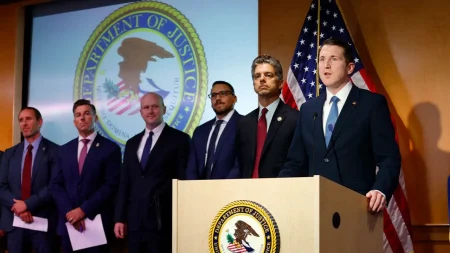
The finger-biting incident came just hours before another violent confrontation that resulted in a Border Patrol agent fatally shooting a 37-year-old Minneapolis resident. According to Homeland Security officials, the man approached agents while armed with a 9mm pistol and two magazines before “violently resisting.” Border Patrol Chief Greg Bovino characterized the situation in stark terms during a Saturday news conference, suggesting the individual appeared intent on causing “maximum damage” and potentially “massacring law enforcement.” The shooting inflamed tensions further, with approximately 200 protesters described by officials as “rioters” converging on the scene, allegedly obstructing and assaulting law enforcement personnel attempting to manage the volatile situation.
The response from local officials has become another point of contention in this unfolding crisis. Chief Bovino publicly criticized Minneapolis Mayor Jacob Frey and Police Chief Brian O’Hara for what he described as their failure to acknowledge the armed nature of the confrontation, saying they “did the opposite of that by omitting the fact that the suspect had a gun and magazines full of ammunition.” This accusation highlights the growing divide between federal immigration enforcement agencies and local officials in cities that have traditionally maintained more progressive immigration policies. Bovino made the federal position clear, emphasizing that individuals who obstruct law enforcement operations are breaking the law and will face arrest, regardless of their motivations or political affiliations.
As tensions continue to mount, state authorities have taken steps to reinforce security measures. The Minnesota National Guard confirmed they are mobilizing additional troops at the request of the Hennepin County Sheriff’s Office, beyond those already activated by Governor Tim Walz. These guardsmen will be tasked with providing security at the Bishop Henry Whipple Federal Building and supporting various law enforcement agencies including the Minnesota State Patrol and the Department of Natural Resources. This militarized response signals growing concerns about the potential for further violence as protests show no signs of abating and emotions remain raw on all sides of the immigration debate.
The incidents in Minneapolis reflect broader national tensions surrounding immigration enforcement policies. The presence of federal immigration officers, particularly those from agencies like Immigration and Customs Enforcement (ICE) and Border Patrol, has become increasingly contentious in communities across the country where local governments have adopted sanctuary-type policies limiting cooperation with federal immigration authorities. These philosophical and policy differences have created situations where federal operations occur in jurisdictions where local officials and many residents fundamentally oppose such enforcement actions. The resulting tensions create dangerous conditions where both protesters and law enforcement personnel face heightened risks of violence and injury.
What began as demonstrations against specific immigration enforcement actions has transformed into something more volatile and complex. The severed finger of a federal officer and the fatal shooting of an armed protester represent tragic escalations that threaten to further polarize communities and complicate efforts to find balanced approaches to immigration policy and enforcement. As federal officials double down on their authority to conduct operations anywhere in the country, and as protesters grow increasingly confrontational in their opposition to these actions, the potential for further violence looms large. Finding a path forward that respects both the rule of law and the humanitarian concerns at the heart of many immigration debates has never seemed more urgent or more challenging in Minneapolis and beyond.