

Border Patrol Shooting in Minneapolis Heightens Tensions Amid Immigration Enforcement
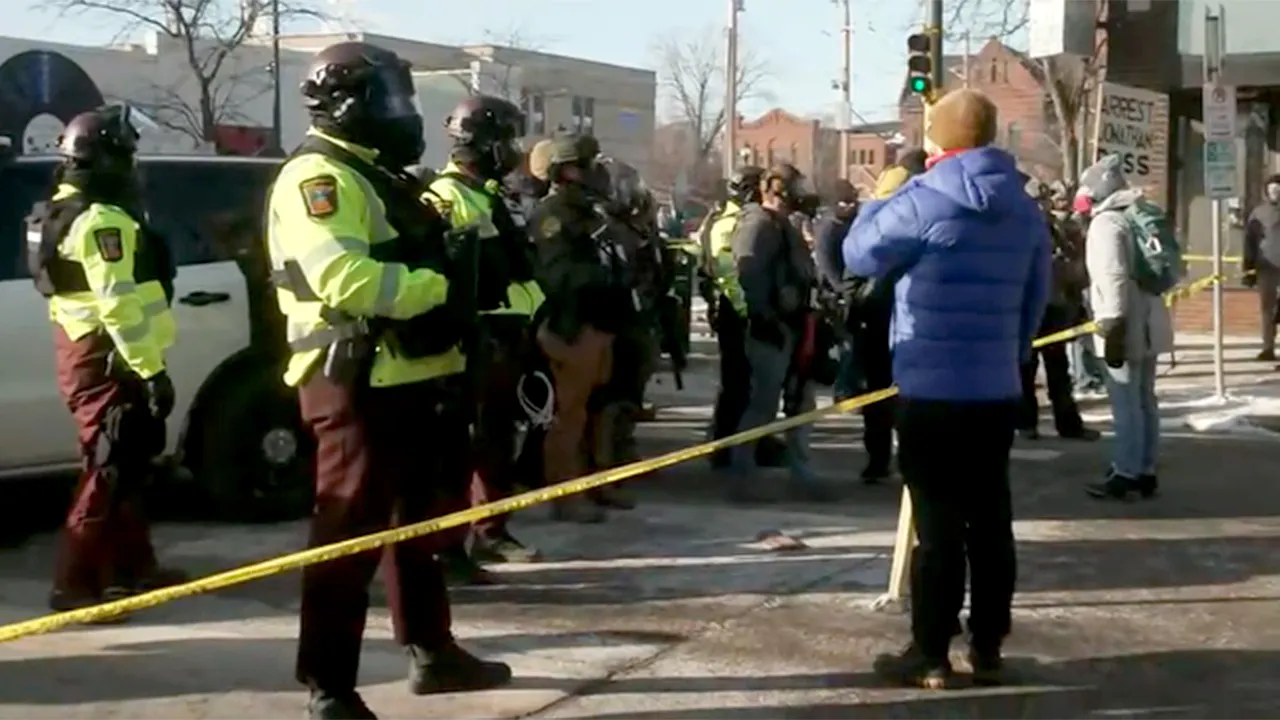
A shooting reportedly involving Border Patrol occurred in Minneapolis on Saturday at the intersection of East 26th Street and Nicollet Avenue, marking another flashpoint in the increasingly tense relationship between federal immigration enforcement and Minnesota communities. According to Department of Homeland Security officials, the incident involved a suspect who was allegedly armed with a gun and two magazines, though specific details about what transpired remain limited. The shooting has prompted immediate responses from local officials, including Minneapolis Mayor Jacob Frey and Police Chief Brian O’Hara, who planned to address the public about the incident later in the day. This event comes in the context of already heightened tensions between federal immigration authorities and Minnesota residents following a previous fatal shooting earlier this year.
The response from local law enforcement and officials highlighted the jurisdictional friction developing between city authorities and federal agencies. Hennepin County Attorney Mary Moriarty emphasized the need for the scene to be secured by local police to preserve evidence, specifically stating, “We expect the federal government to allow the BCA [Bureau of Criminal Apprehension] to process the scene.” The Minneapolis Police Department urged the public to remain calm and avoid the area while they worked to gather additional information. This careful language reflects the delicate balance local officials are attempting to maintain between addressing public safety concerns and responding to what many perceive as federal overreach in their community. The attorney’s call for public submission of photos and videos suggests an effort to ensure transparency in an increasingly volatile situation.
The incident sparked immediate and forceful responses from Minnesota’s highest-ranking officials, revealing the deep political divisions surrounding immigration enforcement in the state. Governor Tim Walz’s response was particularly pointed, describing the shooting as “horrific” and “sickening” in a post on social media platform X. “I just spoke with the White House after another horrific shooting by federal agents this morning. Minnesota has had it,” Walz wrote, directly calling on the president to “end this operation” and “pull the thousands of violent, untrained officers out of Minnesota. Now.” This unusually direct language from a sitting governor toward federal law enforcement operations reflects the escalating tensions between state and federal authorities over immigration enforcement tactics.
Minnesota’s U.S. Senators added their voices to the chorus of state officials demanding federal immigration authorities leave the state. Senator Tina Smith described the incident as “catastrophic” and explicitly called for ICE to “leave now so MPD can secure the scene and do their jobs.” Her colleague, Senator Amy Klobuchar, directed her message to the Trump administration and congressional Republicans who have “stood silent,” demanding they “Get ICE out of our state NOW.” These statements from both senators indicate a unified position among Minnesota’s Democratic leadership against the current approach to immigration enforcement in their state, reflecting broader national divisions on immigration policy and enforcement methods.
The tensions in Minneapolis can be traced back to January 7, when Renee Nicole Good was fatally shot during an immigration enforcement operation. This tragic event triggered nationwide protests and raised serious questions about the methods and oversight of immigration enforcement actions. The death became a rallying point for those concerned about aggressive immigration tactics and has contributed significantly to the deteriorating relationship between Minnesota officials and federal immigration authorities. In the aftermath of Good’s death, Mayor Frey made headlines with his blunt directive to ICE to “get the f–k out of Minneapolis,” language that encapsulates the raw emotion and growing resistance to federal immigration operations in the city.
As this situation continues to develop, it represents more than just a local incident – it highlights the increasingly contentious national debate over immigration enforcement approaches, federal-local cooperation, and community safety concerns. The shooting comes at a time when debates about immigration policy have become deeply polarized across the country, with some communities welcoming increased enforcement while others, like Minneapolis, are pushing back against what they see as excessive or dangerous federal tactics. The passionate responses from state officials suggest this incident will likely intensify the ongoing struggle between Minnesota and federal immigration authorities, potentially setting precedents for how other states and cities engage with federal immigration enforcement in their communities. As investigations continue and more details emerge, both local residents and national observers will be watching closely for implications on immigration policy, law enforcement cooperation, and community relations.