


Iran Disputes Trump’s Claims of Canceled Executions
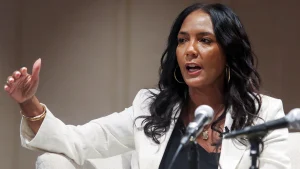
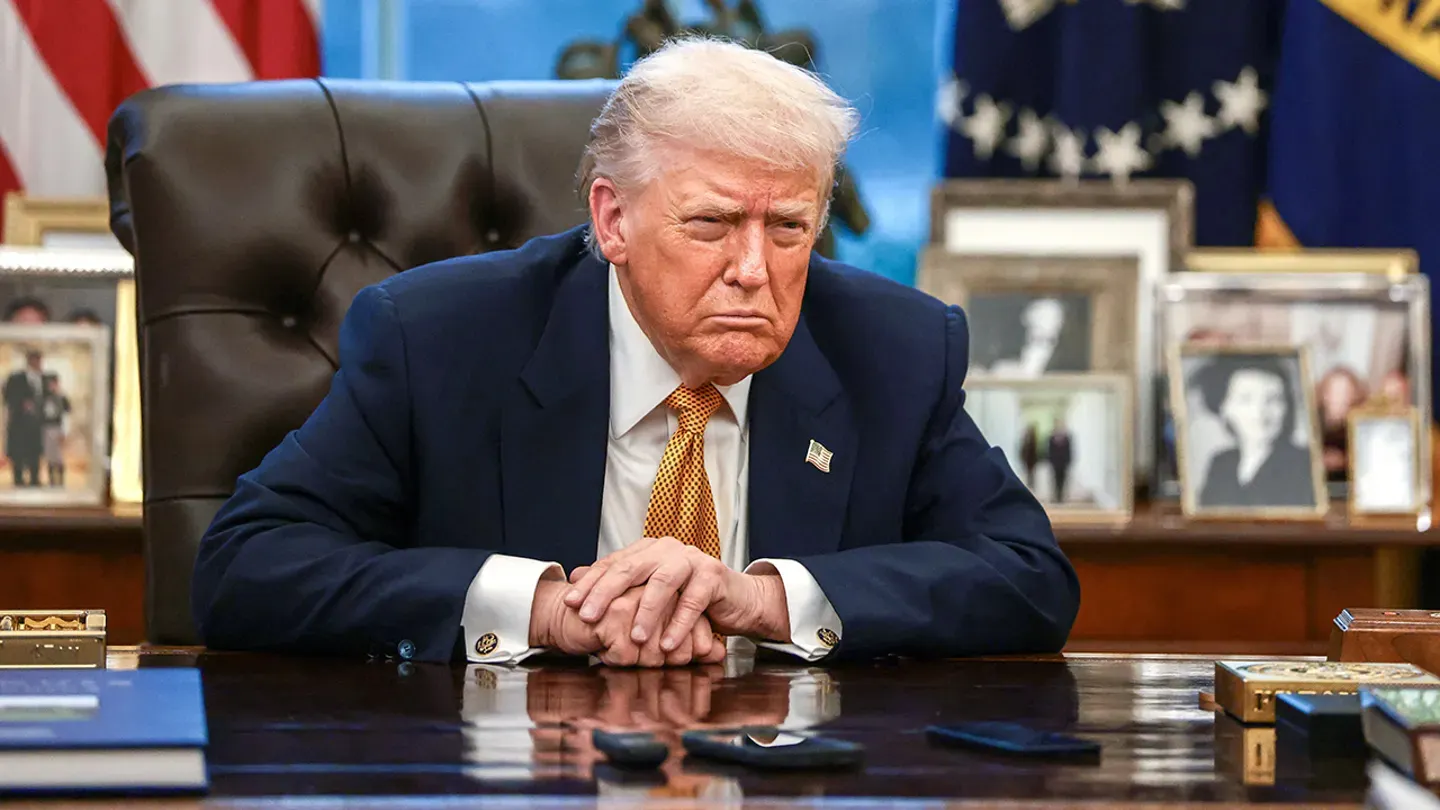
A notable disagreement has emerged between former President Donald Trump and Iranian officials regarding the fate of alleged protesters in Iran. On his Truth Social platform, Trump recently claimed credit for Iran’s supposed cancellation of “over 800” scheduled hangings, expressing gratitude toward Iranian leadership for this decision. However, this assertion has been firmly rejected by Iran’s top prosecutor, Mohammad Movahedi, who declared the claim “completely false.” Movahedi emphasized that no such number of executions had been planned, nor had Iran’s judiciary made any decision to halt executions. The prosecutor pointedly added that Iran operates under separation of powers, with clearly defined institutional responsibilities, and does not “under any circumstances, take instructions from foreign powers.” This exchange highlights the complex and often contradictory narratives that emerge in international relations, particularly between nations with historically tense relationships.
The White House has maintained its position despite Iran’s denial, with an official stating that Trump is monitoring the situation in Iran “very seriously” and that all options remain available if the Tehran regime proceeds with executing protesters. The official suggested that following Trump’s warnings, demonstrators who were previously facing death sentences were spared execution. The administration appears to view this as a positive development and hopes the trend will continue, indicating a belief that American pressure has influenced Iranian judicial decisions. White House Press Secretary Karoline Leavitt reinforced this stance, stating that the president and his team have communicated to Iran that “if the killing continues, there will be grave consequences.” This rhetoric suggests an attempt to position Trump as having meaningful influence over Iran’s internal affairs, a claim that Iranian officials explicitly reject.
The disagreement occurs against the backdrop of significant civil unrest in Iran, where protests have resulted in thousands of deaths according to various sources. The U.S.-based Human Rights Activists News Agency reports that 5,032 people have died during the government’s crackdown on anti-government protesters. Iran’s government, meanwhile, recently offered its first official death toll, claiming that 3,117 people had been killed. In the government’s accounting, 2,427 of the deceased were classified as civilians and security forces, while the remainder were labeled as “terrorists.” This substantial difference in figures and categorization reflects the contested nature of information coming from the region and the different narratives being constructed by various stakeholders about the nature and scope of the unrest.
The current situation reveals the complex dynamics of international influence and information warfare. Trump’s claim about halting executions, whether accurate or not, appears designed to position him as an effective international negotiator with significant leverage over even adversarial regimes. The Iranian prosecutor’s strong denial serves domestic purposes as well, asserting the sovereignty and independence of Iran’s judicial system from foreign interference. Both sides are clearly engaged in crafting narratives that serve their own interests, leaving outside observers with the difficult task of discerning the actual situation on the ground in Iran. The truth about any planned or canceled executions remains obscured by competing claims from parties with vested interests in particular versions of events.
This exchange also highlights the continuing centrality of human rights issues in U.S.-Iran relations. The Biden administration has consistently emphasized human rights concerns in its approach to Iran, and Trump’s recent comments suggest he is also focusing on this aspect of U.S.-Iran relations. However, the efficacy of external pressure in influencing Iran’s domestic policies remains highly debatable. Iran has historically responded to international criticism by doubling down on its sovereignty and independence, often framing foreign concerns as interference or imperialism. The current exchange follows this familiar pattern, with Iranian officials emphasizing their judicial independence while U.S. officials suggest their warnings have concrete effects on Iranian decision-making.
The situation underscores the persistent challenges in U.S.-Iran relations and the difficulties in achieving transparency about events within Iran. With dramatically different casualty figures being reported by different sources and contradictory claims about planned executions, the international community faces significant obstacles in forming an accurate assessment of the situation. This information vacuum creates space for political actors to advance claims that may be difficult to verify independently. As tensions continue between the two nations, such competing narratives will likely remain a feature of the relationship, complicating efforts to address genuine human rights concerns and establish factual grounds for diplomatic engagement. The ultimate impact of international pressure on Iran’s treatment of protesters remains to be seen, but the current exchange demonstrates how difficult it is to establish even basic facts in this contentious relationship.