


The Lake Washington Light Rail Crossing: A Transformative Journey for Seattle’s Tech Commuters
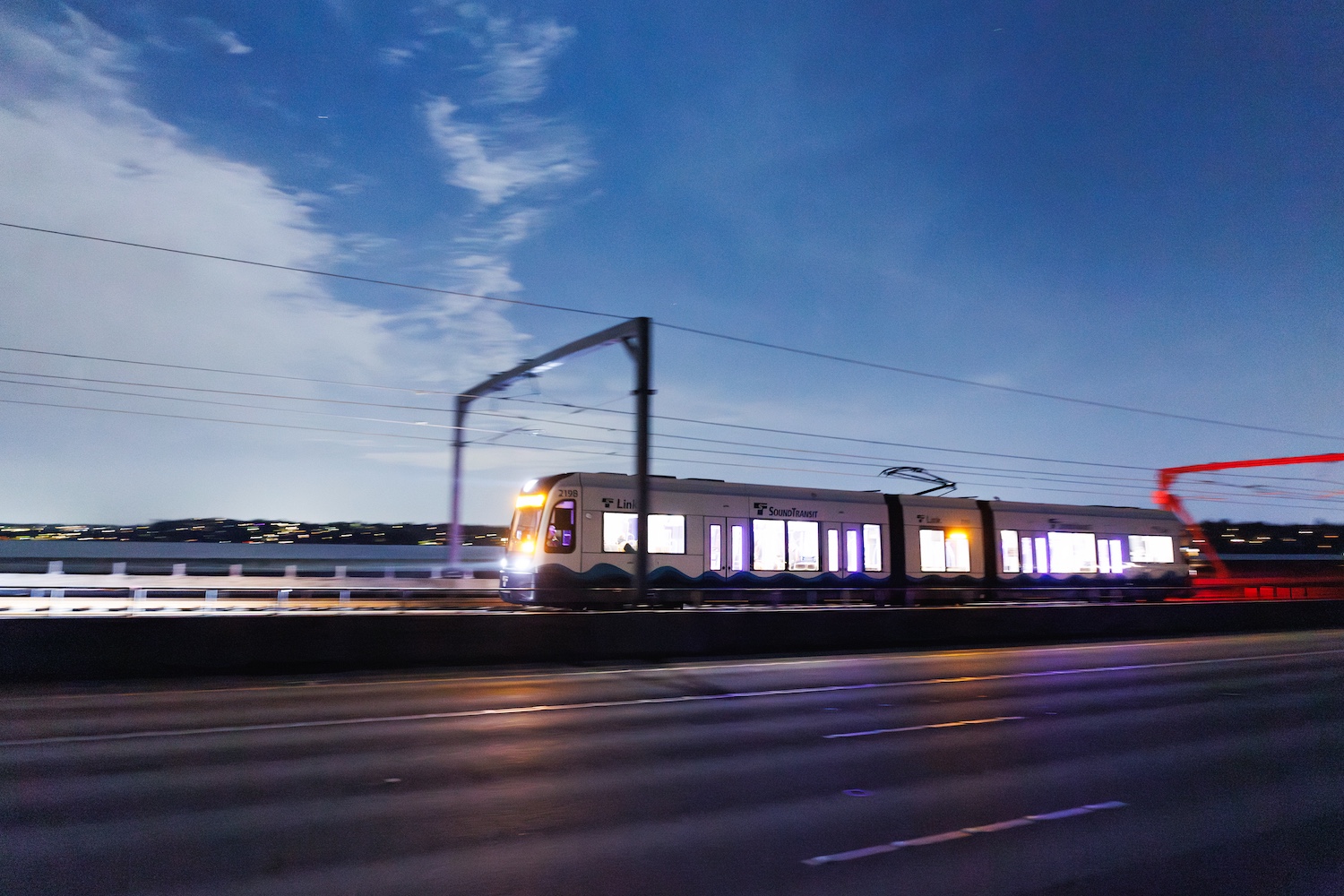
After nearly two decades of planning, construction challenges, and budget negotiations, the Seattle region is about to witness a significant transportation milestone. Sound Transit has officially announced that the “Crosslake Connection” of the Link light rail system will open to the public on March 28, creating a vital transit corridor between Seattle and the technology-rich Eastside communities. This 7.4-mile extension of the 2 Line will be the first light rail service in the world to operate across a floating bridge, connecting downtown Seattle to downtown Bellevue and extending to the Redmond Technology station at Microsoft’s headquarters campus. The engineering achievement represents not just a technical triumph but a potential solution to one of the region’s most persistent transportation headaches.
The Seattle metropolitan area has undergone dramatic transformation during the project’s 18-year development timeline. What was once a manageable 13-mile commute between Seattle and Microsoft’s Redmond campus has evolved into a notorious traffic bottleneck as the tech industry fueled unprecedented growth throughout the region. Seattle’s population explosion, driven largely by Amazon’s downtown expansion and Microsoft’s continued presence, has stressed the area’s transportation infrastructure beyond its limits. Meanwhile, Bellevue has emerged as a secondary tech hub in its own right, with Amazon relocating thousands of workers across Lake Washington. The daily migration of workers between these employment centers has created one of the nation’s most challenging commute patterns, affecting quality of life and economic productivity throughout the region.
Testing of trains on the I-90 floating bridge began in September, marking the culmination of complex engineering work that addressed unique challenges such as fluctuating lake levels and integration with existing bridge infrastructure. Trains will operate at speeds of 55 mph across Lake Washington, with service running every 10 minutes from 5:30 a.m. to 9:30 p.m., seven days a week. The Crosslake Connection completes a critical link in the system, joining with the 6.6-mile East Link segment of the 2 Line and its eight stations that opened last April. Sound Transit projects this fully integrated line will serve between 43,000 and 52,000 daily riders in 2026, potentially removing thousands of vehicles from the region’s congested roadways.
The project represents more than just a transportation solution—it reflects the changing nature of work and commuting patterns in a region dominated by technology companies. While major employers like Microsoft, Amazon, and Expedia have long operated private shuttle services between their various office locations, the light rail connection introduces a public transit option that could significantly alter commuting decisions for tens of thousands of workers. The timing is particularly relevant as companies navigate post-pandemic work arrangements, with many implementing hybrid models that require employees to be in offices several days per week. The rail connection potentially makes these commutes more predictable and less stressful, while addressing environmental concerns associated with single-occupancy vehicle trips across the lake.
For Seattle-area residents, the Crosslake Connection represents more than convenience—it symbolizes the region’s commitment to addressing growth-related challenges through infrastructure investment. The nearly two-decade journey to completion reflects both the ambition and the complications inherent in major transit projects. While cost overruns and delays frustrated many stakeholders throughout the process, the finished product creates new possibilities for living and working arrangements across the metropolitan area. Residents who previously limited their job searches to one side of Lake Washington may now consider opportunities throughout the region, while employers gain access to talent pools that were practically inaccessible due to commuting barriers.
As the March opening approaches, attention turns to how this new transit option will reshape daily life in the Seattle region. Will tech workers embrace the service in numbers sufficient to noticeably reduce congestion on the I-90 bridge? How will property values and development patterns respond to improved transit connectivity? Will the success of this engineering marvel—light rail operating across a floating bridge—inspire similar solutions in other water-divided metropolitan areas? While these questions remain unanswered, the Crosslake Connection stands as a testament to the region’s determination to solve complex urban challenges through innovation and investment. For a region whose economic identity has become synonymous with technological advancement, it seems fitting that its transportation solutions would similarly break new ground.