



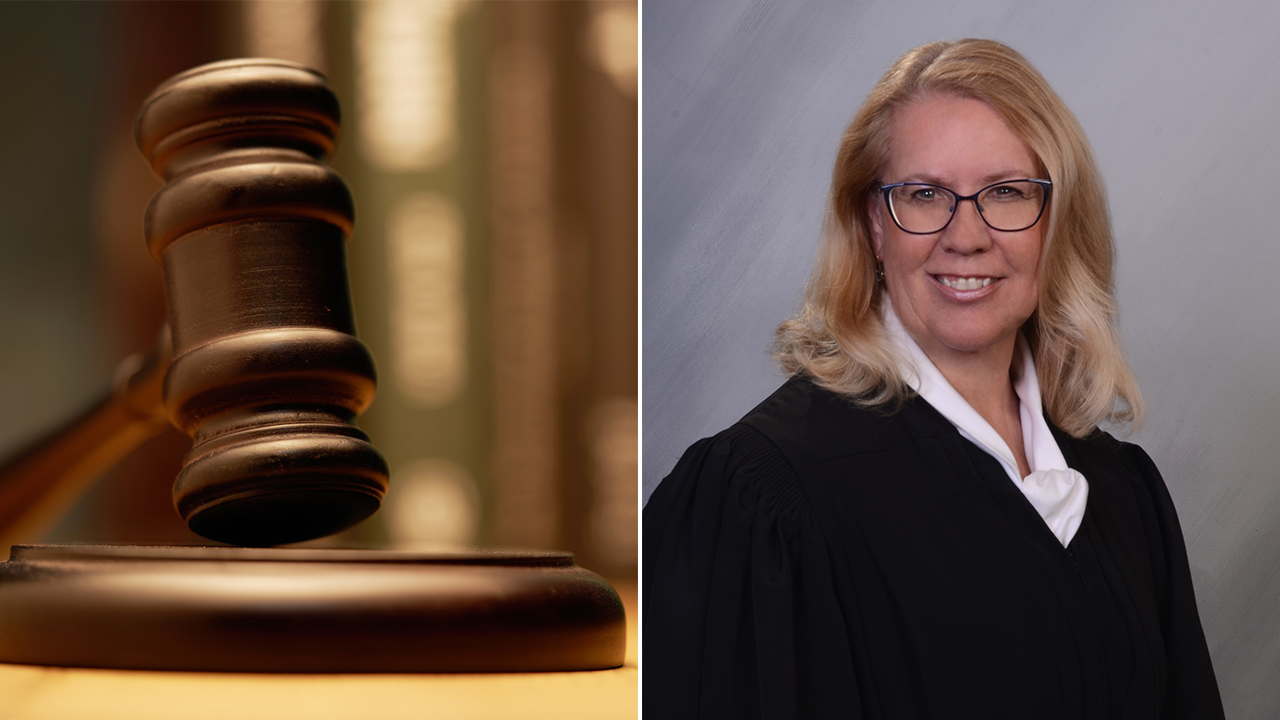
Nevada Judge Retires Amid Stalking Allegations
In a surprising turn of events, Washoe County Judge Bridget Robb announced her retirement last Thursday following serious allegations that she stalked an attorney for over a year. The 63-year-old judge, who has served on the bench for nearly two decades since her 2006 appointment by then-Governor Kenny Guinn, made this decision just days after a court granted a protective order to Gaming and Administrative Law attorney Kelci Binau. The case has sent shockwaves through Nevada’s legal community, where Robb was not only an established judicial figure but was also actively campaigning for a different judicial seat in the upcoming election. Her sudden departure highlights how quickly a distinguished career can unravel when personal conduct crosses professional boundaries.
According to court documents, Binau alleged that Robb engaged in a “willful, repeated and patterned” course of conduct between May 2023 and the issuance of the temporary protective order. The documents describe dozens of encounters where Robb allegedly followed Binau to various locations around Reno, including her residences and workplaces. Perhaps most troubling, the filings suggest there could have been hundreds of such incidents, creating what Binau described as an atmosphere of fear, intimidation, and concern for her personal safety. Despite Binau’s repeated requests for Robb to stop this behavior, the alleged stalking continued, eventually compelling the attorney to seek assistance from law enforcement. This persistent pattern of unwanted attention reportedly led to significant distress for Binau, who felt she had exhausted all other options before pursuing legal protection.
The Reno Police Department’s involvement brought the situation to a head when they launched an investigation last year. Detectives conducted surveillance at a fitness studio Binau frequently visited and reportedly observed Judge Robb loitering around the shopping center while Binau was exercising inside. Earlier this month, police pulled Robb over after spotting her cruising through the area, following her home to conduct an interview. According to Binau’s allegations, this interview—recorded on police body cameras—included Robb admitting to the stalking behavior. Perhaps most bizarrely, Robb allegedly claimed she was merely “collecting information” during her routine drives and described her actions as a coping mechanism related to a previous personal relationship. This explanation, if accurate, raises serious questions about the judge’s judgment and emotional stability while serving in a position requiring impartial decision-making.
The immediate fallout was swift and severe for Robb’s judicial career. After the protective order was issued, Chief District Judge Egan Walker temporarily removed Robb from all cases and committee assignments, effectively suspending her judicial functions. The Second Judicial District Court also launched an internal investigation into the matter. With a hearing scheduled for February 13 to determine whether the protective order should be extended, Robb appears to have recognized the untenable nature of her position. In her retirement announcement, she stated that stepping away was “in the best interest of the court, my family, and the community.” She also withdrew her candidacy for Second Judicial District Court, Department 10, where she had chosen to run against District Judge Kathleen Sigurdson rather than seeking re-election to her Department 13 family court seat. This decision effectively ends both her current judicial role and her electoral ambitions.
The case raises important questions about judicial accountability and the mechanisms in place to address concerning behavior by those entrusted with upholding the law. Judges occupy positions of significant power and authority, with their decisions affecting the lives and liberties of countless individuals. The public reasonably expects judges to demonstrate sound judgment and ethical behavior both in and outside the courtroom. When allegations arise suggesting a judge may have engaged in conduct that violates the law—particularly behavior that causes another person to fear for their safety—it undermines confidence in the entire judicial system. The swift response by court leadership in temporarily removing Robb from her duties suggests a recognition of how seriously such allegations must be taken, regardless of a judge’s seniority or standing.
This troubling situation also highlights the personal toll that stalking takes on victims. While Robb’s career has undoubtedly suffered a dramatic end, the primary concern must remain with Binau, who allegedly endured months of unwanted attention and surveillance. Stalking victims often experience significant psychological distress, including anxiety, fear, and disruption to their daily routines and sense of security. That Binau is herself an attorney makes the case particularly unusual—a legal professional having to navigate the court system not as an advocate for others, but as someone seeking protection for herself from a sitting judge. As this case continues to unfold, with the upcoming hearing on the protective order, it serves as a sobering reminder that harassment and stalking can occur in any professional context, even within the supposedly dignified halls of justice. For now, Robb’s retirement marks the end of her judicial career, but the legal and personal repercussions of this case may continue for some time to come.