


Denmark’s Prime Minister Stands Firm on Greenland Sovereignty Amid Trump’s Deal Claims
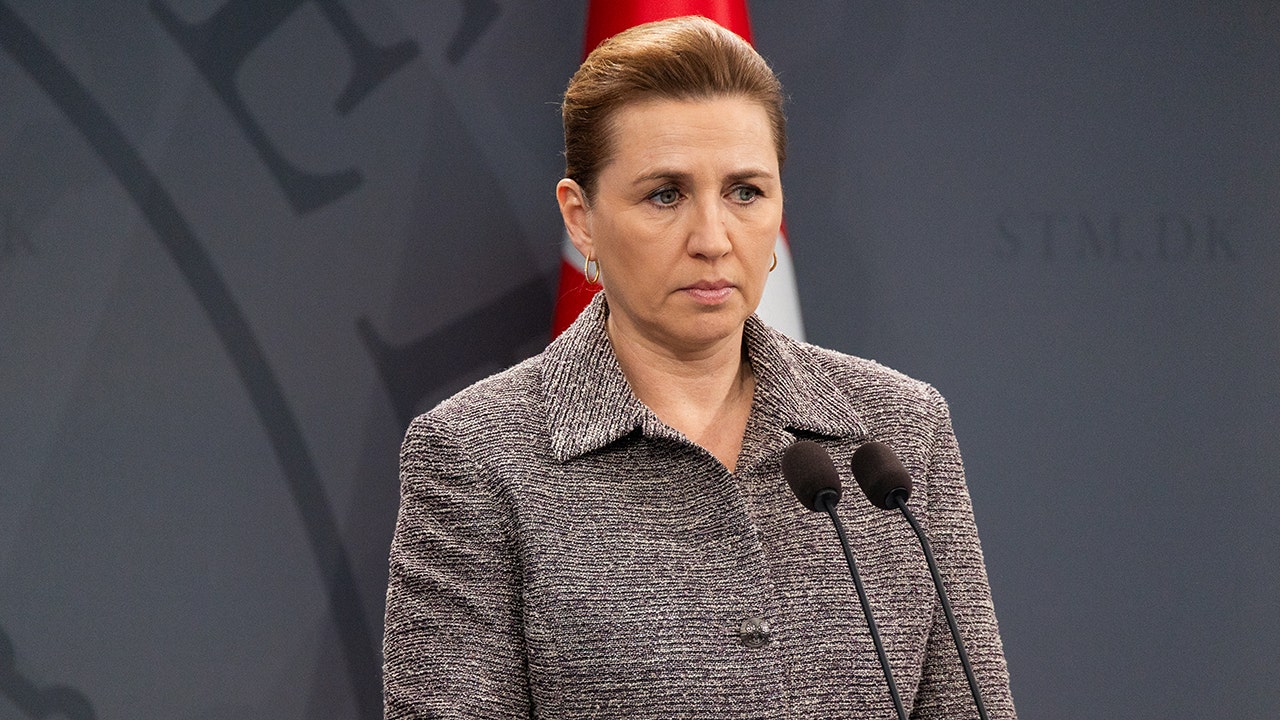
In a resolute statement addressing recent developments, Danish Prime Minister Mette Frederiksen has made it clear that Denmark’s sovereignty over Greenland is non-negotiable, despite former President Donald Trump’s claims of reaching a “framework” deal regarding the Arctic territory. Frederiksen emphasized that while Denmark welcomes discussions with allies about Arctic security and other matters, these conversations must fundamentally respect Denmark’s territorial integrity. “We can negotiate on everything political; security, investments, economy. But we cannot negotiate on our sovereignty,” she stated firmly, highlighting that decisions concerning Denmark and Greenland can only be made by these nations themselves. This stance comes as a direct response to Trump’s announcement on Truth Social following his meeting with NATO Secretary General Mark Rutte, where he claimed they had “formed the framework of a future deal with respect to Greenland and, in fact, the entire Arctic Region.”
The situation developed further complexity when Trump, speaking at the World Economic Forum in Davos, Switzerland, made remarks suggesting he wouldn’t use force to acquire Greenland, stating, “All the United States is asking for is a place called Greenland,” and “I won’t use force.” These comments have stirred diplomatic waters, considering Trump’s previous interest in purchasing Greenland during his presidency—an idea that was firmly rejected by both Danish and Greenlandic authorities at the time. Trump also mentioned he would pause tariffs that were set to take effect on February 1, linking this decision to the supposed framework agreement regarding Greenland and discussions about something called “The Golden Dome” in relation to the Arctic territory.
Denmark’s response has been measured but definitive. Prime Minister Frederiksen acknowledged the importance of Arctic security as a matter for the entire NATO alliance, noting that Denmark has long advocated for increased NATO engagement in the region. She revealed ongoing communication with NATO leadership, including conversations with Secretary General Rutte both before and after his meeting with Trump in Davos. “NATO is fully aware of the position of the Kingdom of Denmark,” she stated, reinforcing that while Denmark is open to constructive dialogue with allies on strengthening Arctic security, including discussions about the U.S.’s “Golden Dome,” such conversations must proceed with complete respect for Danish territorial sovereignty.
Danish Foreign Minister Lars Løkke Rasmussen adopted a similarly diplomatic yet firm tone in his response, posting on social media: “We welcome that POTUS has ruled out to take Greenland by force and paused the trade war. Now, let’s sit down and find out how we can address the American security concerns in the Arctic while respecting the red lines of the KoD [Kingdom of Denmark].” This response acknowledges the positive aspects of Trump’s statements while reaffirming Denmark’s position that any discussions must respect its sovereign rights. The mention of addressing “American security concerns” suggests Denmark recognizes legitimate U.S. interests in Arctic security but draws a clear line when it comes to territorial claims.
The situation highlights the complex geopolitics of the Arctic region, which has grown in strategic importance as climate change opens new shipping routes and access to natural resources. Greenland, the world’s largest island and an autonomous territory within the Kingdom of Denmark, holds significant strategic value due to its location and natural resources, including rare earth elements crucial for modern technology. The United States already maintains Thule Air Base in northwestern Greenland, which serves as its northernmost military installation and plays a vital role in missile defense systems. However, Trump’s continued interest in expanding American presence or control in Greenland indicates he sees additional strategic value in the territory that goes beyond existing arrangements.
The diplomatic exchange between Denmark and Trump illustrates broader tensions about sovereignty, security, and alliance relationships that could shape future discussions about Arctic governance. Denmark’s insistence on respect for its territorial integrity while remaining open to security conversations shows a balanced approach that acknowledges both sovereign rights and alliance obligations. Meanwhile, Trump’s willingness to link trade policy with geopolitical objectives concerning Greenland demonstrates his characteristic approach to international relations. As climate change continues to transform the Arctic landscape, both literally and geopolitically, these discussions about Greenland’s status and the broader question of Arctic security will likely remain significant in international relations, regardless of who occupies the White House in the coming years.