


A Young Man’s Tragic Path: The Raleigh Mass Shooting of 2022
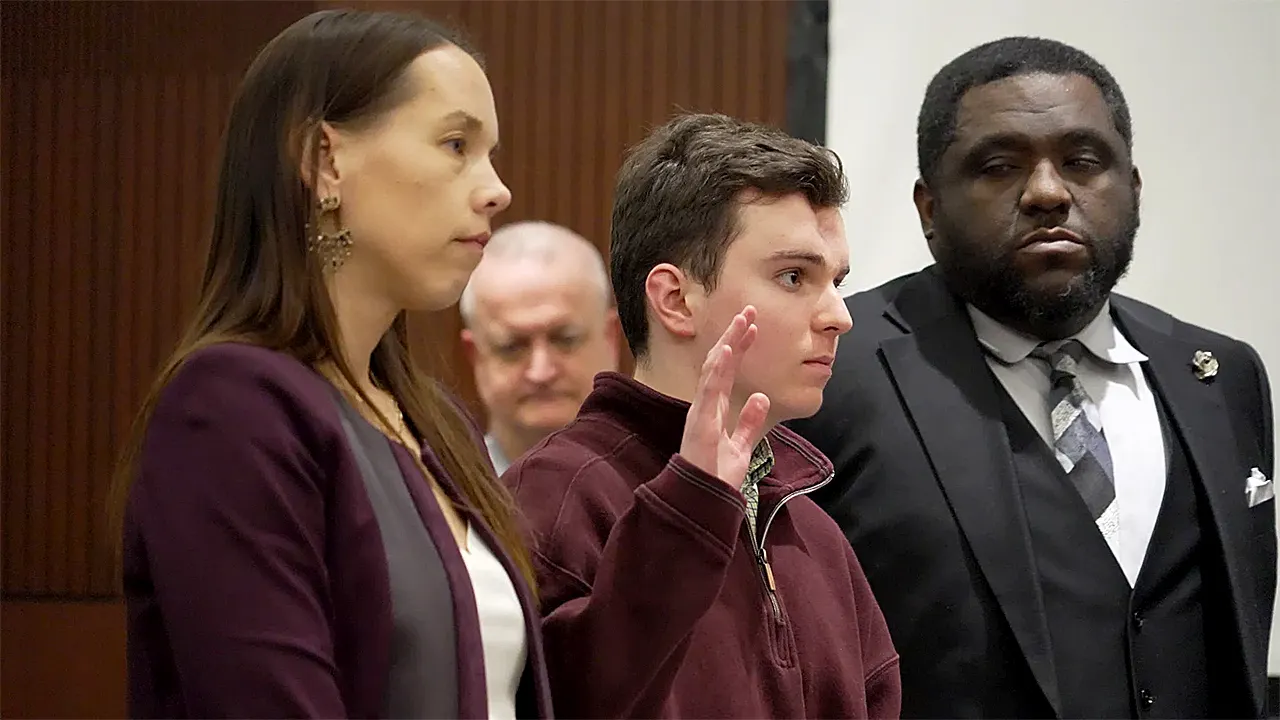
In a somber courtroom proceeding on Wednesday, 18-year-old Austin David Thompson pleaded guilty to carrying out a devastating mass shooting in Raleigh, North Carolina in 2022 that claimed five lives, including his older brother James and police officer Gabriel Torres. The plea came just days before his scheduled trial was set to begin. Thompson, who was only 15 at the time of the shooting, admitted to five counts of first-degree murder, multiple counts of attempted murder, assault with a deadly weapon, and assaulting an officer with a gun. His attorneys had announced the change in plea the day before, stating their desire to “save the community and the victims from as much additional infliction of trauma as possible” by avoiding a trial. Thompson appeared in court wearing a quarter-zip sweater and slacks, offering few words as Judge Paul Ridgeway formally accepted his guilty pleas and scheduled a sentencing hearing for February 2.
The October 13, 2022 rampage began in the Thompson family home in Raleigh’s Hedingham neighborhood, where Assistant District Attorney Patrick Latour described how the teenager first shot and then repeatedly stabbed his brother James. From there, armed with both a shotgun and handgun, Thompson moved through the neighborhood, killing 52-year-old Nicole Connors and then 29-year-old Raleigh police officer Gabriel Torres. One neighbor was wounded but survived the attack. The violence continued as Thompson made his way to a nearby greenway trail, where he fatally shot 34-year-old Mary Marshall and 49-year-old Susan Karnatz. When police finally located Thompson near McConnell Oliver Drive, he opened fire again, wounding Officer Casey Clark before multiple officers returned fire with approximately 23 rounds. When apprehended, Thompson was wearing camouflage clothing and a backpack containing various types of ammunition. He had a handgun in his waistband and a large hunting knife clipped to his belt, with the shotgun lying nearby on the ground.
The motivation behind the horrific attack remains somewhat unclear. Prosecutors mentioned a note written by Thompson that addressed why he killed his brother, but its contents were sealed by the court. Investigators also discovered that Thompson had searched online for information about mass shootings, though his defense team indicated they might challenge this evidence during sentencing. Notably, Thompson’s attorneys wrote that a brain injury he suffered – reportedly self-inflicted before his arrest, according to Wake County District Attorney Lorrin Freeman – has left him unable to explain why he carried out the shootings. This injury, which his attorneys contend caused significant brain damage, was also partly responsible for delays in the case coming to trial.
Because Thompson was a minor at the time of the shootings, he is not eligible for the death penalty under North Carolina law. Judge Ridgeway could impose life sentences without parole, though state law also allows for sentences that would make Thompson eligible for parole after at least 25 years. Adding complexity to the sentencing decision, a recent ruling by state appeals judges capped the amount of time juvenile offenders must serve before becoming eligible for parole at 40 years. Thompson and his attorneys confirmed that no plea deal had been reached with prosecutors, leaving the sentencing decision entirely with the judge. The February sentencing hearing is expected to span several days as both sides present arguments for appropriate punishment.
The aftermath of the shooting extends beyond Thompson himself. In 2024, his father pleaded guilty to improperly storing a handgun that authorities said was found with his son after the attack. He received a suspended sentence and probation. Search warrants revealed that investigators seized 11 firearms and 160 boxes of ammunition – some empty – from the Thompson home. Prosecutor Latour noted during the hearing that Thompson and his family were avid hunters, providing some context for the presence of weapons in the home, though clearly not excusing the devastating way they were ultimately used.
For the families of victims, the guilty plea represents a step toward closure, though nothing can truly compensate for their loss. Robert Steele, the fiancé of victim Mary Marshall, spoke after the hearing and made his position clear on what justice should look like: “That’s justice,” Steele said, referring to life imprisonment without parole. “He took five people’s lives; he tried to take two others.” His sentiment reflects the profound impact this tragedy has had on multiple families and the entire Raleigh community. As the case moves toward sentencing, it serves as yet another painful reminder of the devastating consequences of mass shootings and the complex questions society continues to face regarding juvenile justice, mental health intervention, and access to firearms.