


The Snapchat Murder-for-Hire Trial: Intent or Empty Threats?
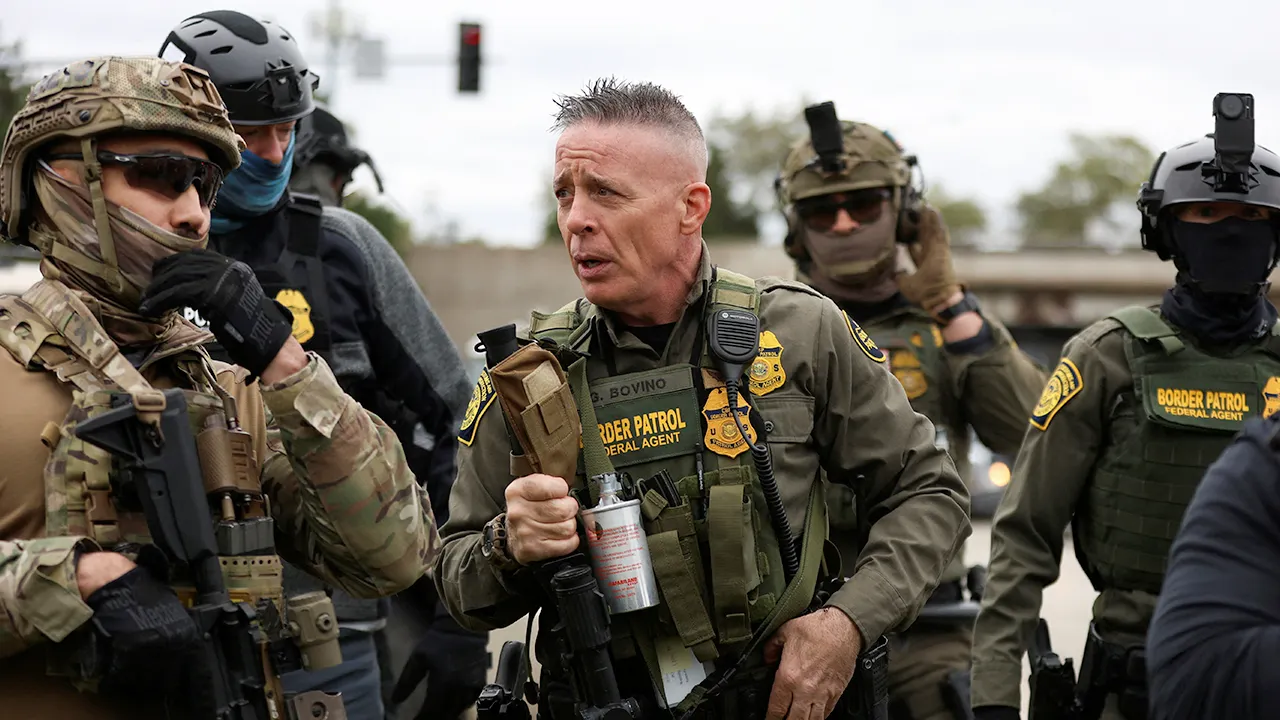
In a Chicago federal courtroom, a jury now deliberates the fate of Juan Espinoza Martinez, a 37-year-old carpenter facing serious charges for allegedly soliciting the murder of a senior U.S. Border Patrol official through Snapchat messages. The case centers on a critical question: did Martinez’s messages constitute a genuine murder-for-hire plot targeting Border Patrol Commander at Large Greg Bovino, or were they merely reckless online chatter? After the defense rested its case on Wednesday without Martinez taking the stand, U.S. District Judge Joan Lefkow instructed jurors to return the following day for closing arguments before beginning their deliberations. The prosecution’s evidence includes screenshots of Snapchat messages sent to a government informant, in which Martinez allegedly offered $2,000 for information on Bovino’s whereabouts and $10,000 “if you take him down.” Some messages even contained photographs of the Border Patrol commander, presenting what prosecutors describe as clear intent to solicit violence rather than mere political speech or angry rhetoric.
Federal prosecutors have worked to distinguish this case from protected speech, with Assistant U.S. Attorney Minje Shin emphasizing to jurors that “this case is not about someone expressing strong views about immigration enforcement.” The government contends the messages demonstrated genuine intent to harm a federal law enforcement official, not joking or gossip as the defense claims. Martinez’s defense team has painted a different picture, portraying their client as a working-class carpenter with little money who was simply repeating rumors circulating in his neighborhood and on social media. They characterized the messages as “neighborhood gossip” rather than evidence of an actual plot to harm anyone. This stark contrast in interpretations forms the heart of the case, with jurors left to determine whether Martinez’s digital communications crossed the line from protected speech to criminal solicitation.
The government’s key witness, Adrian Jimenez, a construction company owner who had previously communicated with Martinez about work, testified that he took the messages seriously enough to contact a Homeland Security investigator he knew. Under cross-examination, however, Jimenez acknowledged a prior felony conviction, prison time, and previous work as a paid government informant, details the defense leveraged to question his credibility and whether he truly believed Martinez was soliciting murder. When defense attorney Dena Singer directly asked, “You’re not somebody that commits murder for hire, right?” Jimenez replied simply, “Nope.” Adding another perspective, Martinez’s younger brother testified for the defense that he had seen a Facebook post about the rumored bounty before receiving the Snapchat messages and interpreted them as a joke, stating, “Nobody’s going to do that for $10K.”
The case originated in October when ICE Homeland Security Investigations received information from a confidential source about an alleged hit placed on Bovino, leading to Martinez’s arrest on October 6 in Burr Ridge, Illinois. Following the arrest, Department of Homeland Security officials issued strong statements condemning the alleged plot. Matthew Scarpino, Special Agent in Charge of HSI Chicago, characterized Martinez as “a ruthless and violent member of the Latin Kings,” though this gang affiliation was disputed by Martinez in recorded interviews played for jurors. DHS Assistant Secretary Tricia McLaughlin added forceful rhetoric, stating, “Depraved individuals like Juan Espinoza Martinez — who do not value human life and threaten law enforcement — do NOT belong in this country,” and emphasizing that “Secretary Noem has been crystal clear: If you threaten or lay a hand on law enforcement, you will be prosecuted to the fullest extent of the law.”
The stakes for Martinez are high; if convicted on the single count of murder-for-hire, he faces up to 10 years in federal prison. Beyond the criminal charges, his immigration status adds another layer to the case. According to federal authorities, Martinez was born in Mexico and has lived in the United States for decades without legal permission to remain in the country. In recorded interviews presented to the jury, Martinez denied threatening anyone or being a gang member, describing himself as a daily union laborer. This personal context stands in stark contrast to the government’s portrayal of him as a dangerous individual with ties to organized crime, highlighting the complex intersection of criminal justice and immigration issues at play in this case.
As closing arguments approach, the jury faces a challenging task in determining whether Martinez’s Snapchat messages represented a genuine threat or merely irresponsible talk. The case illustrates the evolving nature of threats in the digital age, where comments made through ephemeral platforms like Snapchat can lead to serious federal charges. It also raises important questions about where the line between protected speech and criminal solicitation should be drawn, especially in a politically charged context involving immigration enforcement officials. Commander Bovino did not testify at the trial, and as deliberations begin, jurors must weigh the evidence without hearing directly from the alleged target of the plot. The outcome will not only determine one man’s fate but may also influence how law enforcement and the courts interpret online communications in future cases involving threats against public officials.