



Navigating the Turbulent Skies: A Modern Air Traveler’s Guide
Air travel has always had its share of discomforts, but in recent years, turbulence has evolved from a minor nuisance to a serious safety concern. The skies are becoming increasingly bumpy, with several high-profile incidents bringing this issue into sharp focus. Just last month, two passengers suffered broken ankles during severe turbulence on a British Airways flight. Even more tragic was the May 2024 incident on a Singapore Airlines flight where severe turbulence caused the death of a 73-year-old British grandfather and injured more than 30 others when the aircraft suddenly plummeted 6,000 feet. These aren’t isolated incidents but part of a troubling trend that’s transforming the flying experience for millions of travelers worldwide.
Scientific data confirms what many frequent flyers have suspected: turbulence is on the rise. A comprehensive 2023 study from the University of Reading revealed that clear-air turbulence—which occurs at high altitudes without any visible warning signs like clouds—has increased significantly across global flight paths. The North Atlantic route, one of the world’s busiest air corridors, has experienced particularly alarming changes. Between 1979 and 2020, severe turbulence increased by a startling 55%, while moderate and light turbulence rose by 37% and 17% respectively. Professor Paul Williams, an atmospheric scientist who co-authored the study, makes the connection clear: “Following a decade of research showing that climate change will increase clear-air turbulence in the future, we now have evidence suggesting that the increase has already begun.” This climate change connection means turbulence isn’t just a temporary problem but likely a growing challenge for the aviation industry and passengers alike.
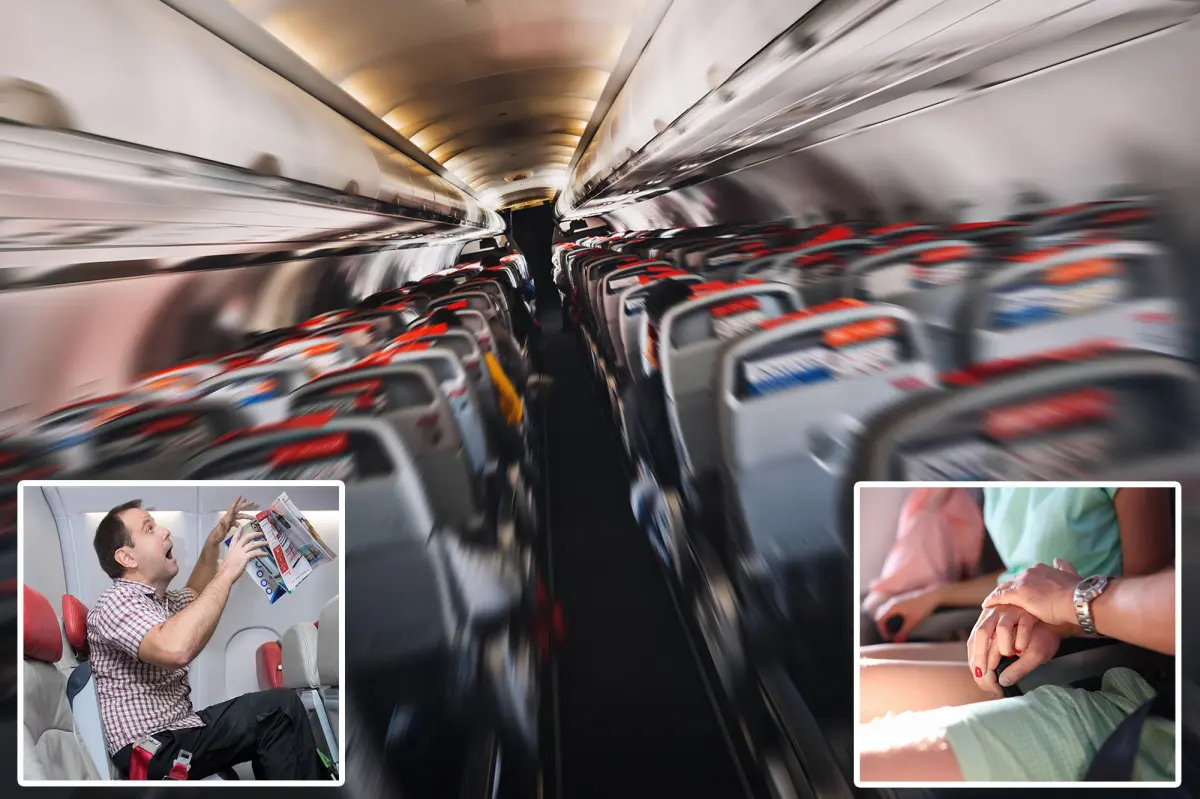
The simplest yet most effective safety measure during turbulence is one we’ve all heard countless times but often ignore: keeping your seatbelt fastened whenever you’re seated. Aviation expert Gary Leff emphasizes this point plainly: “The thing you want to do is be seatbelted when you’re in your seat. What you don’t want is to fly out of your seat, hit your head or your hip.” During severe turbulence, unsecured passengers can be thrown violently around the cabin, risking serious injuries. Flight crew members face even greater risks as they’re frequently moving about the cabin to serve passengers. However, experts don’t advocate for laws mandating constant seatbelt use throughout flights. American Airlines Captain Dennis Tajer explains that such rigid rules could be counterproductive: “What we’ve learned is that by leaving the seat belt sign on when it’s really not necessary and there is smooth air, you normalize ignoring the seat belt sign.” The key isn’t constant restriction but heightened awareness and education about when seatbelts are truly needed.
For those particularly anxious about turbulence or prone to air sickness, strategic seat selection can make a significant difference in comfort. Sitting over the wings or toward the front of the aircraft generally provides a smoother ride during rough air. Captain Tajer explains the physics behind this recommendation: “The wings are more closely located to the center of gravity of the airplane; therefore, the ride while sitting near the wings may feel less turbulent than near the tail of the aircraft where vertical input is felt the most.” The rear of the plane typically experiences more pronounced up-and-down movement during turbulence, which can intensify both physical discomfort and anxiety. Beyond just turbulence mitigation, sitting in the middle section of the aircraft offers another benefit—easier movement around the cabin, which can help alleviate feelings of claustrophobia that sometimes accompany flight anxiety.
When turbulence cannot be avoided through seat selection, passengers can adopt techniques that flight attendants use to make the experience more tolerable. One particularly effective method that’s gained attention involves consciously relaxing your body during bumpy periods—essentially becoming “jelly-like” as the plane moves. As one flight attendant explained in a viral social media post, “When turbulence hits, basically, just pretend you’re jelly or submerged in jelly. Wiggle in your seat like a little jellyfish; you’ll feel so much better.” This approach works because tensing up against the motion of the plane actually increases discomfort and the risk of strain or injury. By allowing your body to move with the natural motion of the aircraft—similar to how you might roll with the waves while swimming in the ocean—you can reduce muscle tension and minimize the jarring feeling of turbulence.
As climate change continues to affect our atmosphere, turbulence is likely to remain a growing challenge for air travelers. While we can’t control the weather patterns reshaping our skies, we can adapt our approach to air travel with these practical safety measures. The data clearly shows that turbulence-related incidents are increasing, but the majority of turbulence encounters don’t result in injuries when proper precautions are taken. By keeping seatbelts fastened when seated, choosing optimal seating locations, and adopting relaxation techniques during rough patches, passengers can significantly reduce their risk of injury and discomfort. The aviation industry continues to improve turbulence prediction and detection systems, but individual passenger vigilance remains the most effective defense against the bumps and drops that have become an increasingly common feature of modern flight. As we navigate this new reality in air travel, staying informed and prepared turns what could be a frightening experience into a manageable, if occasionally uncomfortable, part of reaching our destinations safely.