


Bitcoin Plummets to $86K as Market Turbulence Intensifies Across Asset Classes
Cryptocurrency Selloff Deepens Amid Global Economic Uncertainty
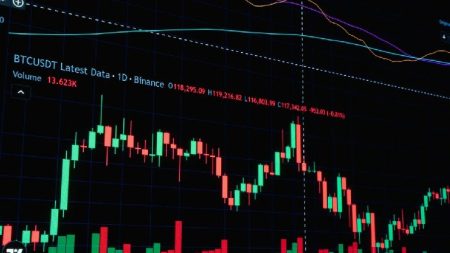
In a dramatic display of market volatility, Bitcoin experienced a sharp decline today, shedding $2,000 in value within minutes and settling at $86,888 on Coinbase. This precipitous drop comes as leveraged traders face devastating consequences, with approximately $360 million worth of long positions being liquidated in just a single hour. The sudden collapse marks a 9% decrease in Bitcoin’s value over the past 48 hours, signaling growing uncertainty in cryptocurrency markets amid broader economic concerns.
The selloff extends well beyond Bitcoin, affecting the entire cryptocurrency ecosystem. Ethereum, the second-largest cryptocurrency by market capitalization, has fallen 7.4% to $2,939, while Solana dropped 5.4% to $126.01. Other major cryptocurrencies have not been spared, with XRP and Binance Coin (BNB) both experiencing declines exceeding 4%. This widespread decline suggests systemic pressure rather than isolated concerns about any single digital asset, raising questions about the stability of cryptocurrency investments during periods of economic turbulence. Market analysts point to a combination of factors driving this selloff, including macroeconomic conditions, regulatory concerns, and a general flight to perceived safer assets during uncertain times.
Gold Surges as Investors Seek Safe Haven Assets
In stark contrast to the cryptocurrency market’s downturn, gold continues its impressive rally, with futures now trading at $4,820 per ounce. The precious metal is steadily approaching the psychologically significant $5,000 threshold as investors increasingly seek refuge from volatile risk assets. Gold’s strong performance during this period of market instability reinforces its traditional role as a safe haven during economic uncertainty and geopolitical tensions. The divergence between gold and cryptocurrencies challenges the notion that Bitcoin has achieved “digital gold” status, as both assets are currently moving in opposite directions despite similar market conditions.
The flight to gold reflects growing anxiety among investors about inflation, currency devaluation, and economic instability. Central bank purchases, particularly from emerging economies looking to reduce dependency on the U.S. dollar, have also contributed to gold’s upward trajectory. Investment professionals are closely monitoring this trend, with many questioning whether we’re witnessing a fundamental shift in how investors perceive different asset classes during periods of economic stress. The strengthening gold market may indicate deeper concerns about the sustainability of equity valuations and the long-term stability of digital assets that have yet to be fully tested through multiple economic cycles.
Equity Markets Tumble Following Trump’s Tariff Announcement
U.S. equity markets experienced a significant downturn following former President Donald Trump’s reinforced commitment to implementing tariffs on Greenland-based imports, a statement made just before his scheduled appearance at the World Economic Forum in Davos on Wednesday. This policy announcement sent shockwaves through financial markets, with the Dow Jones Industrial Average plummeting 870 points, or 1.8%, while the S&P 500 and Nasdaq fell 2.1% and 2.4%, respectively. The magnitude of these declines marks the worst single-day performance for all three major indices since October 10, underscoring the market’s sensitivity to potential trade policy changes.
The severity of the market reaction indicates that investors are taking Trump’s economic policy statements seriously and adjusting their positions accordingly. Trade tensions have historically been significant market movers, and the prospect of new tariffs has reignited concerns about global supply chain disruptions and retaliatory measures from trading partners. The market’s response highlights the complex interplay between political rhetoric, economic policy, and financial market performance. Institutional investors are particularly concerned about how these potential trade policies might affect corporate earnings across various sectors, from manufacturing to technology, as global trade relationships become increasingly strained.
Market Outlook Remains Uncertain as Multiple Factors Drive Volatility
After hours, the futures market showed slight signs of recovery, with Dow futures up 85 points and both the S&P 500 and Nasdaq 100 futures showing modest gains of 0.2% and 0.1%, respectively. However, these minor rebounds do little to offset the significant losses experienced during regular trading hours. More concerning for investors is that the day’s dramatic sell-off has pushed both the S&P 500 and Nasdaq into negative territory for 2026, erasing what had been a promising start to the year and raising questions about market direction going forward.
Meanwhile, cryptocurrency markets continue to experience downward pressure even in after-hours trading, suggesting that the factors driving the digital asset selloff may be independent of those affecting traditional equity markets. Gold’s persistent strength further complicates the market narrative, as investors try to reconcile divergent performances across asset classes. Market strategists are carefully analyzing these cross-currents, looking for clues about underlying economic conditions and investor sentiment. The simultaneous pressure on both equities and cryptocurrencies, coupled with gold’s rally, indicates a potentially significant risk reassessment by global investors that could have lasting implications for asset allocation strategies.
Implications for Investors and Market Participants
The current market dynamics present a complex landscape for investors to navigate. The rapid decline in Bitcoin and other cryptocurrencies challenges the narrative that digital assets have matured into a stable investment class, while also raising questions about their correlation with traditional financial markets during periods of stress. For cryptocurrency investors, this volatility serves as a stark reminder of the risks inherent in the asset class, particularly when using leverage. The massive liquidations of long positions underscore how quickly market sentiment can shift and how devastating such shifts can be for traders utilizing margin.
Simultaneously, the broader market correction in equities, coupled with gold’s continued strength, suggests a potential recalibration of risk appetites across the investment community. Financial advisors are increasingly counseling clients to reassess their portfolio allocations and risk exposure in light of these developments. Market participants are now closely monitoring central bank responses, economic indicators, and political developments for clues about future market direction. The coming weeks will be critical in determining whether today’s selloff represents a temporary correction in an otherwise healthy market or the beginning of a more significant downward trend across risk assets. As uncertainty persists, investors are advised to maintain diversified portfolios and avoid reactive decision-making based on short-term market movements, regardless of how dramatic they may appear.