



Immigration Detention Tragedy: A Tale of Lives Lost in the System
In a somber development that highlights the human cost of immigration enforcement, a second death has occurred at an El Paso, Texas immigration detention facility in recent weeks. Victor Manuel Diaz, a 36-year-old Nicaraguan immigrant, was found unconscious in his room at the Camp Montana East facility on Wednesday, where officials report he had taken his own life despite immediate lifesaving efforts. This incident follows closely behind another detainee death at the same facility, raising serious concerns about conditions and oversight at these detention centers where vulnerable individuals await immigration proceedings.
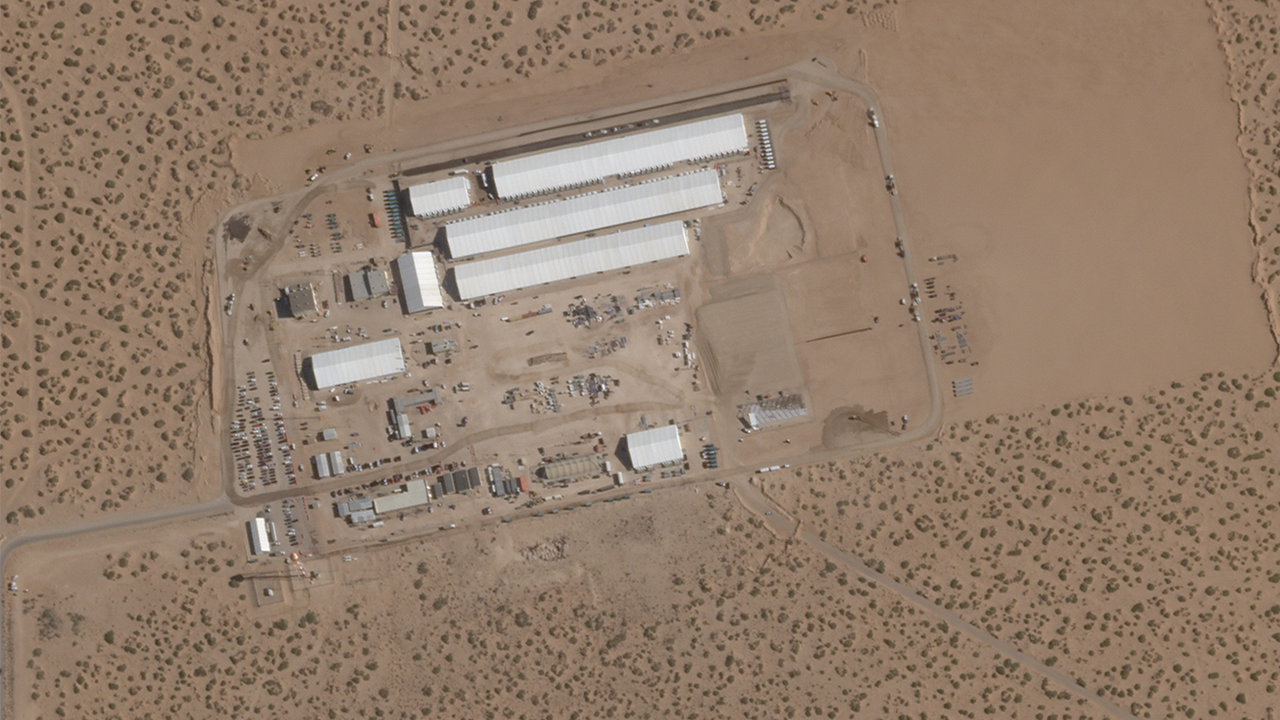
Diaz’s journey reflects the complex and often lengthy path many immigrants face in the U.S. system. Having entered the United States approximately two years ago, he was initially detained by Border Patrol before being released on parole pending his court appearance. His story took a more challenging turn when he missed his August hearing, resulting in a judge ordering his removal from the country. In January, Diaz was apprehended during immigration raids in Minnesota and transferred to the Texas facility—a sprawling tent complex situated at Fort Bliss military base. Just two days after receiving his final removal order on January 12, detention staff found him unresponsive in his room in what Immigration and Customs Enforcement (ICE) has determined was a suicide.
The tragedy at Camp Montana East becomes even more concerning when viewed alongside another recent death at the same facility. Earlier this month, detainee Geraldo Lunas Campos also died while in custody. Though ICE initially reported that staff members had attempted to prevent Campos from taking his own life, conflicting accounts have emerged from fellow detainees who describe a disturbing scene where multiple officers restrained Campos, with at least one allegedly placing an arm around his neck. These contradictory narratives gained additional weight when the El Paso County Medical Examiner’s preliminary investigation determined Campos died from asphyxia due to chest and neck compression, classifying the death as homicide rather than suicide.
These back-to-back deaths at the same detention center illuminate broader concerns about the treatment of immigrants in U.S. custody and the mental health support available to those facing deportation. Immigration detention facilities, particularly temporary structures like the tent complexes at Fort Bliss, have faced ongoing scrutiny regarding conditions, access to medical care, and the psychological impact of indefinite detention. For individuals like Diaz, facing imminent removal to countries they had fled, the stress and uncertainty of detention can compound existing trauma and vulnerability. While ICE reports that lifesaving measures were immediately implemented upon finding Diaz unconscious, questions remain about what preventative mental health interventions might have been available.
The impact of these deaths extends beyond the walls of detention facilities, resonating through immigrant communities and fueling ongoing debates about immigration policy and enforcement. In Minnesota, where Diaz was detained during recent immigration raids, there has been significant community response, with a faculty union even calling for an “economic blackout” to protest ICE operations in Minneapolis. Meanwhile, national attention on immigration enforcement has intensified amid controversial incidents, including disputes between federal and state authorities over border management. These detention facility deaths add another layer to an already complex and emotionally charged national conversation about how the United States treats those seeking refuge or opportunity within its borders.
As federal officials continue to investigate both deaths, advocates for immigrant rights and detention reform are calling for greater transparency, improved conditions, and alternatives to detention for those navigating immigration proceedings. For families like those of Victor Manuel Diaz and Geraldo Lunas Campos, the investigations may provide some answers but cannot restore the lives lost. Their stories serve as poignant reminders of the human beings caught within the machinery of immigration enforcement—individuals with hopes, fears, and lives that extended far beyond their status as detainees. As the investigations proceed, the challenge for policymakers and immigration authorities remains clear: how to create a system that upholds both security and human dignity, preventing further tragedies in facilities meant to process, not destroy, the lives of those within their walls.