


Florida Man’s Mental Health History and the Tragedy Near Disney World
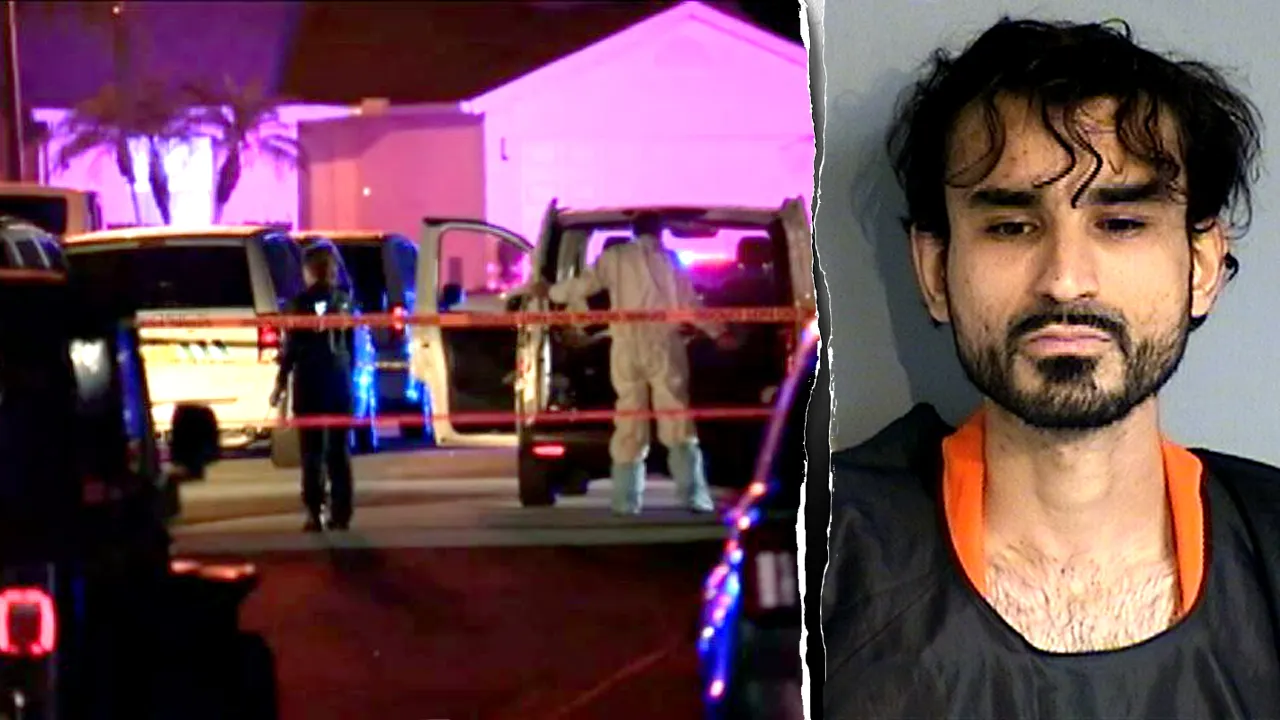
In a shocking incident that has shaken the Orlando tourist community, three visitors were fatally shot just minutes from Walt Disney World’s Magic Kingdom. The suspect, 29-year-old Ahmad Jihad Bojeh, has a troubling history of mental illness and violent behavior that raises serious questions about Florida’s criminal justice and mental health systems. This case highlights the devastating consequences when individuals with documented violent tendencies and mental health issues fail to receive adequate intervention or monitoring.
Prior to Saturday’s tragic shooting, Bojeh had accumulated a concerning criminal record that included a particularly alarming 2021 incident. In that case, he was charged with attempted first-degree murder with a firearm after allegedly opening fire at random people and vehicles at a Kissimmee gas station. Despite the serious nature of these charges, court records show Bojeh was found not guilty by reason of insanity. Florida Attorney General James Uthmeier has since criticized the handling of this case, suggesting that prosecutors didn’t adequately challenge Bojeh’s insanity defense, ultimately allowing a potentially dangerous individual to return to the community without sufficient oversight. This decision, in retrospect, appears to have had catastrophic consequences for three innocent families.
The victims of Saturday’s shooting were identified as brothers Robert Luis Kraft, 69, of Holland, Michigan, and Douglas Joseph Kraft, 68, of Columbus, Ohio, along with their friend James Puchan, 68, also from Ohio. According to investigators, the men had extended their Florida vacation by one day due to car trouble—a mundane travel inconvenience that tragically placed them in harm’s way. Osceola County Sheriff Christopher Blackmon described the shooting as “cold-blooded” and “premeditated,” emphasizing that there was no conflict or prior interaction between Bojeh and the victims. The randomness of the violence is particularly disturbing, with authorities noting that Bojeh lived next door to the vacation rental where the tourists were staying. Deputies responded to reports of gunfire around 12:13 p.m. on Saturday, discovering the three men with fatal gunshot wounds outside the rental property.
The Osceola County Sheriff’s Office was familiar with Bojeh long before this incident. Sheriff Blackmon characterized him as a “frequent flyer” with the department and “a threat to the neighborhood all the time,” citing numerous calls for service involving the suspect. This pattern of concerning behavior and frequent law enforcement contact raises serious questions about why more preventative measures weren’t taken. Beyond the 2021 shooting incident, records show Bojeh had been previously arrested for felony drug possession and misdemeanor resisting an officer without violence, demonstrating years of repeated interactions with the criminal justice system. Despite these warning signs, Bojeh was apparently living in the community without restrictions that might have prevented Saturday’s tragedy.
Authorities located and arrested Bojeh approximately one hour after the shooting. He was found inside his nearby home and taken into custody without further incident. According to jail records, he now faces three counts of premeditated murder and one count of resisting arrest without violence. He is currently being held at the Osceola County Jail without bond as the investigation continues. The case has drawn attention to the challenging intersection of mental health, criminal justice, and public safety in Florida, with some officials pointing to potential systemic failures in how Bojeh’s previous cases were handled.
This tragic event near one of America’s most beloved tourist destinations serves as a heartbreaking reminder of the potential consequences when individuals with documented violent tendencies and severe mental health issues fall through the cracks of our social systems. The three victims—retirees enjoying a vacation in Florida—had their lives cut short in what authorities describe as an entirely senseless act of violence. For their families, what should have been a pleasant memory of time spent together has instead become an unimaginable nightmare. As the investigation continues, this case will likely prompt difficult questions about how to better identify and monitor potentially dangerous individuals while still respecting their civil liberties and addressing their mental health needs—a balance that clearly wasn’t achieved in Bojeh’s case, with devastating results.