


Trump’s International “Board of Peace” Takes Shape Amid Regional Complexities
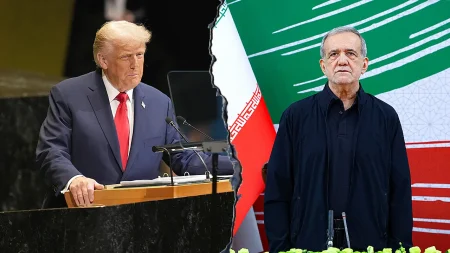
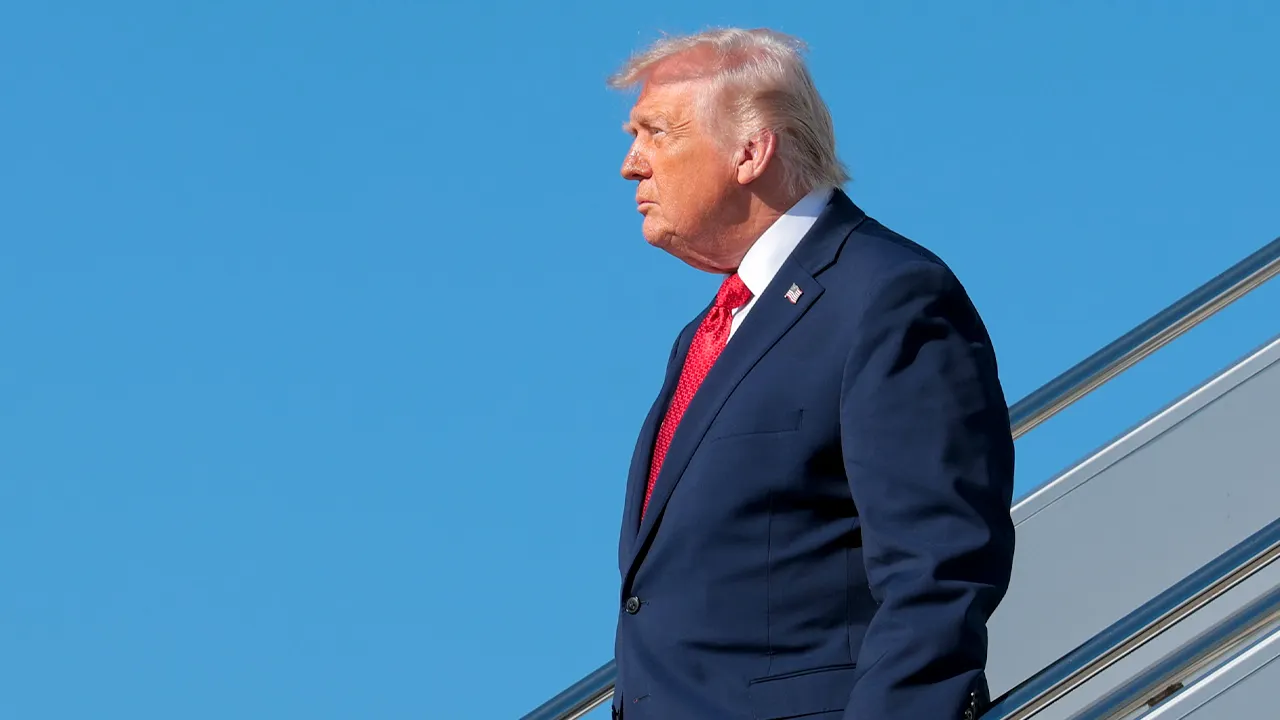
President Donald Trump has begun assembling his ambitious “Board of Peace” initiative by extending invitations to numerous foreign governments, with at least twelve countries already confirming their participation. Jordan, Greece, Cyprus, Pakistan, Hungary, India, Canada, Turkey, Egypt, Paraguay, Argentina, and Albania have all reportedly received invitations to join this multinational effort aimed at bringing stability to Gaza. This board represents a significant new phase in Trump’s Gaza peace strategy, which the White House describes as essential for “providing strategic oversight, mobilizing international resources, and ensuring accountability as Gaza transitions from conflict to peace and development.”
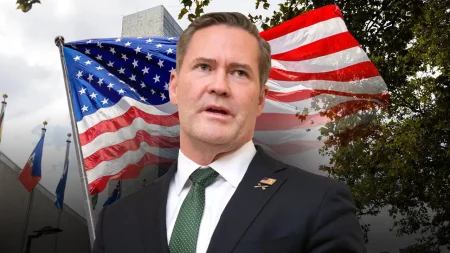
The leadership structure of this initiative places Trump himself as chair, supported by several close advisors including his son-in-law Jared Kushner, Secretary of State Marco Rubio, special envoy Steve Witkoff, and billionaire Marc Rowan. Perhaps more noteworthy is the inclusion of Turkish Foreign Minister Hakan Fidan and Qatari diplomat Ali Al-Thawadi as appointed members of the Gaza Executive Board. This particular board will function in conjunction with the Office of the High Representative and the National Committee for the Administration of Gaza, creating a multi-layered approach to addressing the region’s complex challenges. The White House has indicated that additional members for both the Executive Board and Gaza Executive Board will be announced in the coming weeks, suggesting the coalition may continue to expand.
This initiative, however, has already encountered its first significant diplomatic hurdle. Israeli Prime Minister Benjamin Netanyahu’s office publicly stated that the composition of the Gaza Executive Board “was not coordinated with Israel and runs contrary to its policy.” This apparent disconnect between the Trump administration and Israel’s government prompted Netanyahu to instruct Foreign Minister Gideon Sa’ar to contact Secretary Rubio directly to express Israel’s concerns. The tension highlights the delicate balancing act required when developing multilateral solutions in a region where competing interests and sensitivities abound, particularly regarding who will have influence over Gaza’s future governance structures.
The Board of Peace arrives at a critical juncture in the ongoing Gaza conflict. A key component of Trump’s peace plan required Hamas to return all hostages, both living and deceased, yet implementation remains incomplete with at least one deceased hostage, Ran Gvili, still not returned. This unfulfilled condition underscores the challenges faced in translating diplomatic frameworks into concrete actions on the ground. The involvement of countries with varying relationships to both Israel and Palestinian interests creates a complex diplomatic environment where competing priorities must somehow be reconciled to achieve meaningful progress toward lasting peace and stability.
The initiative represents a significant shift in approach to Middle East diplomacy, bringing together nations with diverse and sometimes conflicting perspectives on the Israeli-Palestinian conflict. By including countries from across the political spectrum – from staunch Israeli allies to nations more sympathetic to Palestinian causes – the Board aims to create a more inclusive framework for conflict resolution. The presence of regional powers like Egypt and Turkey alongside European and South Asian nations suggests an attempt to build a truly international consensus rather than an approach dominated solely by American or Israeli interests. This diversity could potentially provide legitimacy to any eventual agreements while also complicating the decision-making process.
As this diplomatic endeavor unfolds, several critical questions remain unanswered. How will the Board address the complex issue of Gaza’s governance in the post-conflict period? What specific mechanisms will ensure accountability and transparency in the reconstruction process? How will Israel’s concerns about security be balanced against Palestinians’ aspirations for self-determination? And perhaps most importantly, how will this initiative navigate the deep-rooted historical, religious, and territorial disputes that have made previous peace efforts so challenging? The success of Trump’s Board of Peace will ultimately depend on its ability to move beyond symbolic gestures and deliver tangible improvements to the lives of people in Gaza while addressing the legitimate security concerns of all parties involved in this protracted conflict.