



Federal Judge Restricts ICE Agents in Minneapolis Amid Tensions Over Recent Shootings
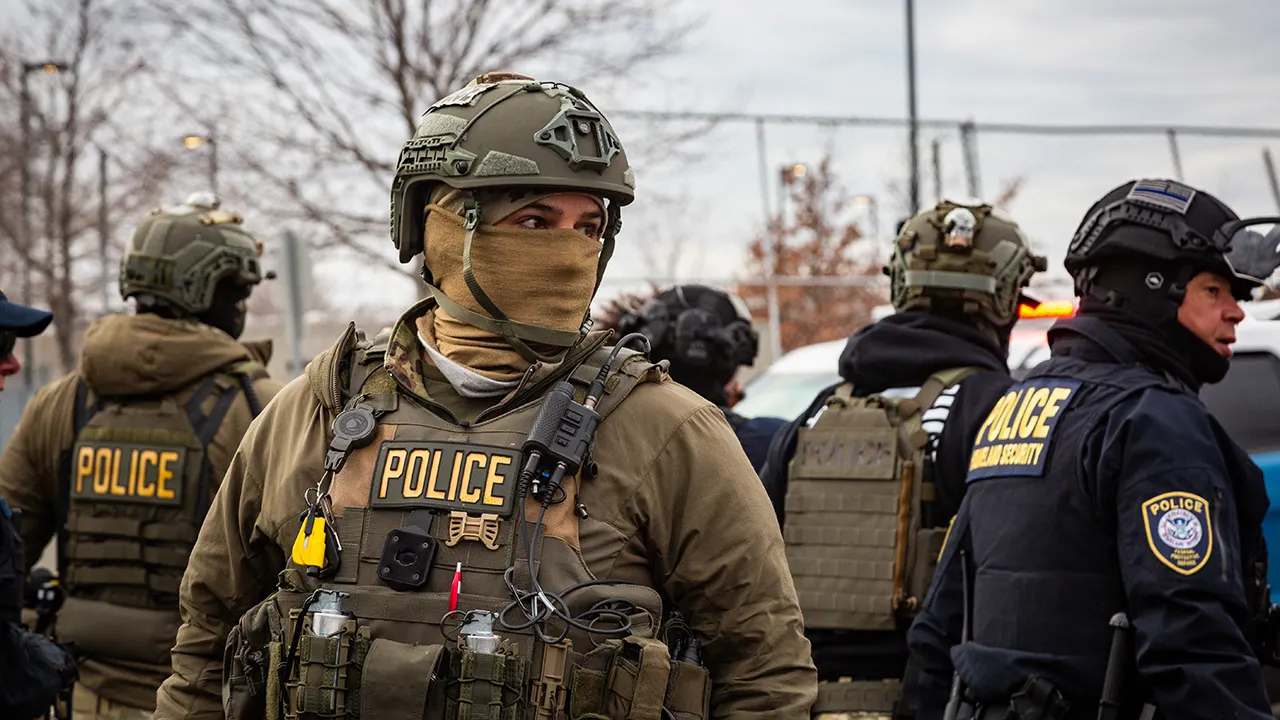
In a significant ruling that highlights the delicate balance between law enforcement operations and constitutional rights, U.S. District Judge Kate Menendez has issued an order limiting how Immigration and Customs Enforcement (ICE) agents can interact with protesters in Minneapolis. The decision, which prohibits federal officers from detaining peaceful protesters or using tear gas against them without proper justification, comes during a period of heightened tensions following two controversial incidents involving ICE agents in the city. The ruling specifically protects individuals who are peacefully demonstrating or observing immigration enforcement actions, requiring federal agents to demonstrate probable cause or reasonable suspicion that someone has committed a crime before taking enforcement action. This judicial intervention reflects growing concerns about the relationship between federal immigration enforcement and local communities, particularly in diverse urban centers like Minneapolis.
The backdrop to this ruling is a community still reeling from recent violence. Earlier this month, Minnesota resident Renee Good was fatally shot by an ICE agent who fired into her vehicle, claiming she attempted to run him over. The agent was recorded using profane language after the incident as Good’s vehicle crashed into a parked car. Just days later, another violent confrontation occurred when an ICE officer was reportedly ambushed and seriously injured by three individuals during a traffic stop targeting a Venezuelan national. These incidents have created a stark political divide, with Democratic officials and many local residents condemning the shooting of Good as unjustified murder, while the Trump administration and Republican lawmakers have defended the agent’s actions as necessary self-defense. The contrasting narratives surrounding these events have contributed to an atmosphere of mistrust and confrontation.
The Department of Homeland Security has responded firmly to the judge’s ruling, with Assistant Secretary Tricia McLaughlin emphasizing that the First Amendment does not protect “rioting.” In her statement to Fox News Digital, McLaughlin detailed concerning behaviors by some protesters, claiming that “rioters and terrorists have assaulted law enforcement, launched fireworks at them, slashed the tires of their vehicles, and vandalized federal property.” She further stated that some individuals have “ignored commands and have attempted to impede law enforcement operations and used their vehicles as weapons against our officers.” The DHS position maintains that federal agents have used only “the minimum amount of force necessary to protect themselves, the public, and federal property” despite what they characterize as “grave threats and dangerous situations.” This perspective underscores the challenges faced by federal officers operating in communities where their presence may be viewed with suspicion or hostility.
Judge Menendez’s order specifically addresses the tools and tactics that federal agents can employ during protests. The ruling prohibits the use of pepper spray or other non-lethal munitions against peaceful demonstrators, establishing clear boundaries for crowd control. Importantly, the judge also clarified that safely following officers “at an appropriate distance does not, by itself, create reasonable suspicion to justify a vehicle stop.” This detail is particularly relevant as many protesters have been monitoring ICE operations from a distance. The case that led to this ruling was filed in December on behalf of six Minnesota activists represented by the American Civil Liberties Union of Minnesota, who argued that government officers were systematically violating the constitutional rights of Twin Cities residents. Government attorneys countered that officers were acting within their legal authority and responding appropriately to violence while carrying out immigration enforcement responsibilities.
The current situation in Minneapolis reflects broader national tensions over immigration enforcement strategies. Operation Metro Surge, the enforcement initiative at the center of this controversy, has been criticized by local officials including Representative Ilhan Omar and Minneapolis Mayor Jacob Frey, who have characterized it as “political retribution” and an “invasion.” These local leaders have expressed concern that federal immigration enforcement is disrupting community trust and safety rather than enhancing it. At the same time, federal officials have defended the operation by highlighting arrests of individuals with serious criminal histories. One recent press release from DHS described apprehending individuals characterized as the “worst of the worst,” including someone with 24 prior convictions, as part of their enforcement priorities in the region.
Beyond the immediate confrontations, this situation has significant implications for the relationship between federal and local authorities. Judge Menendez is currently presiding over another lawsuit, filed by the state of Minnesota along with the cities of Minneapolis and St. Paul, that seeks to suspend the enforcement crackdown entirely. This legal challenge represents an unusual scenario where state and municipal governments are actively opposing federal law enforcement operations within their jurisdictions. The tension between different levels of government reflects fundamental disagreements about immigration policy, law enforcement priorities, and community safety. As these legal battles continue, residents of Minneapolis find themselves caught between competing visions of public safety and justice, with each side claiming to act in the community’s best interest. The resolution of these conflicts will likely shape not only immigration enforcement in Minnesota but potentially influence similar situations across the country.