


A Tragic Incident on the Long Island Expressway: Underage Driver Charged in Fatal Motorcycle Crash
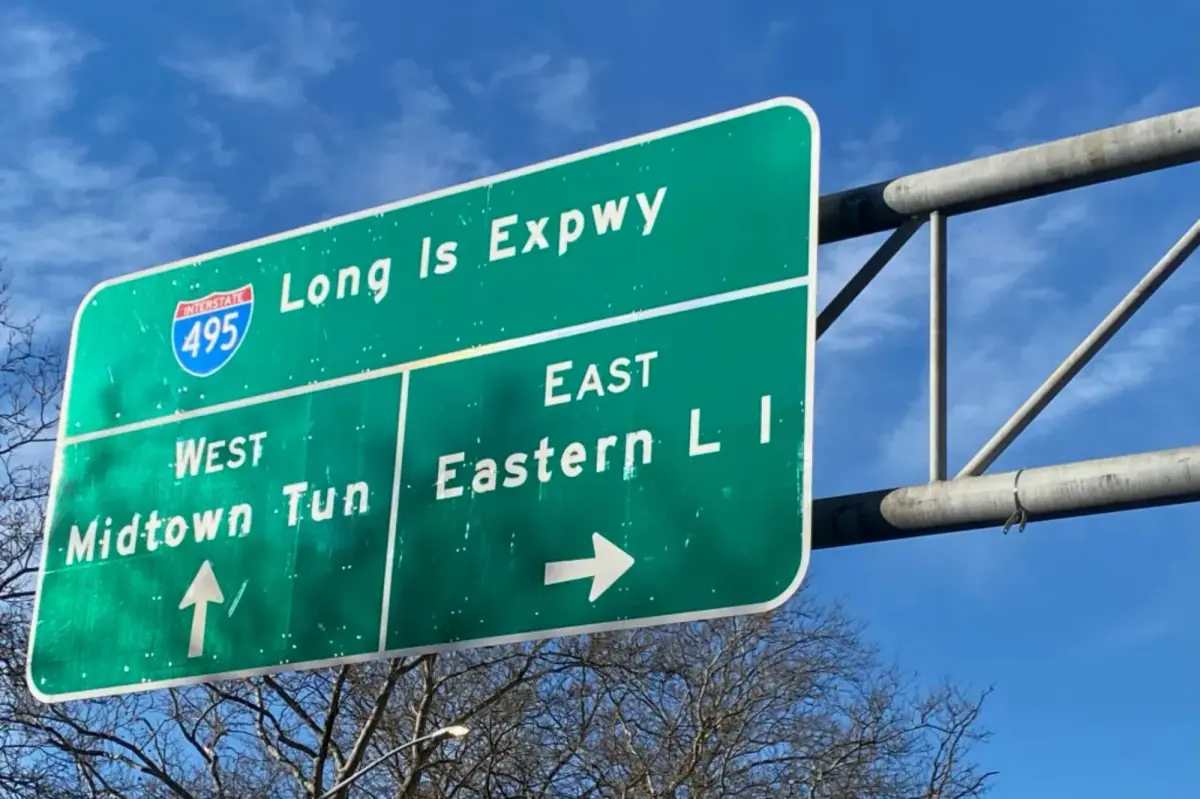
In a heart-wrenching development that has shaken the Queens community, a 16-year-old driver has been arrested and charged with manslaughter following a deadly crash that claimed the life of 30-year-old motorcyclist Luis Mareno. The incident, which occurred in September on the Long Island Expressway, represents a devastating intersection of youth, responsibility, and tragic consequences. The teenager, who was only 15 years old at the time of the accident, allegedly rear-ended Mareno’s black 2020 Triumph motorcycle while driving a black 2018 Mitsubishi SUV near Exit 22A and 108th Street in Corona. The collision occurred around 12:45 a.m., a time when visibility is compromised and the expressway is less crowded but potentially more dangerous. This case has raised important questions about underage driving, as New York State law requires individuals to be at least 16 years old to obtain even a learner’s permit, with no provisions allowing those under 16 to drive under any circumstances, even with permits or licenses from other states.
The sequence of events that unfolded after the initial impact compounded the tragedy in devastating ways. When the SUV struck Mareno’s motorcycle, the force ejected him from his bike, leaving him vulnerable on the expressway. In a terrible turn of events, a 2015 Toyota Sienna driven by a 30-year-old woman then struck Mareno as he lay on the roadway. Meanwhile, his motorcycle was sent careening across three lanes of traffic before ultimately crashing into an unoccupied 2017 Infiniti Q50 that was parked on the northwest shoulder of the expressway. Each moment in this chain reaction represents a point where, had circumstances been different, a life might have been spared. Instead, Mareno, a resident of Corona, suffered severe head trauma and was pronounced dead at the scene by first responders, a devastating loss for his family, friends, and community.
What makes this case particularly notable is the gap between the initial incident and the arrest. Though all vehicles involved, including the teen’s SUV, remained at the scene immediately following the crash, the young driver wasn’t arrested on the spot. This changed dramatically on Thursday when, following an extensive investigation by the NYPD’s Collision Investigation Squad in collaboration with Queens Family Court, authorities brought serious charges against the teenager. The charges include manslaughter, criminally negligent homicide, assault, and leaving the scene of an accident. These charges reflect the gravity with which law enforcement views the incident, even as they balance these considerations with the driver’s age and status as a juvenile. In accordance with laws protecting minors, the teenager’s identity has not been disclosed to the public, though the consequences he faces within the juvenile justice system remain serious.
The legal ramifications of this case highlight the complexities of dealing with juvenile offenders in serious incidents. Being charged as a juvenile significantly alters the legal process and potential consequences compared to adult prosecution. While the charges are severe—manslaughter and criminally negligent homicide represent acknowledgments of the loss of human life—the juvenile justice system typically emphasizes rehabilitation over punishment, especially for first-time offenders. This case places the courts in the difficult position of balancing justice for the victim’s family with appropriate consideration of the accused’s young age and developmental stage. The inclusion of a “leaving the scene” charge also raises questions about the timeline of events and the teen’s actions following the initial impact, suggesting possible complications beyond the initial collision that investigators uncovered during their months-long inquiry.
Beyond the individuals directly involved, this tragedy reverberates through multiple communities. For Luis Mareno’s family and friends, there is the immeasurable grief of losing a loved one suddenly and violently at just 30 years of age. For the teenage driver and his family, there is the life-altering reality of facing serious charges and living with the knowledge that his actions contributed to someone’s death. The 30-year-old woman driving the Toyota Sienna who unavoidably became part of this tragedy faces her own emotional trauma from being involved in a fatal accident. Even the wider Corona neighborhood and motorcycling community must contend with the sobering reminder of vulnerability on the road. Each person connected to this event now carries a piece of its weight, illustrating how a single incident can create ripple effects of trauma and loss across numerous lives.
This case also serves as a stark reminder of the importance of driving laws and the reasons behind age restrictions for operating motor vehicles. The developmental differences between a 15-year-old and an older, licensed driver can be significant in terms of judgment, reaction time, risk assessment, and emotional regulation—all critical factors in safe driving. While the investigation has not publicly revealed how the teenager gained access to the SUV or why he was driving at that hour, the incident underscores the critical role of parental oversight and community enforcement of driving regulations. As this case proceeds through the juvenile justice system, it will likely prompt discussions about prevention strategies, from education about the serious consequences of underage driving to considerations of how vehicles can be better secured against unauthorized use by minors. Ultimately, beyond the legal proceedings, this tragedy stands as a painful reminder of how quickly lives can change on the road and why rules designed to protect public safety demand respect and adherence from everyone in the community.