

Chaos and Controversy: Unpacking the Fatal Shooting of Renee Nicole Good by ICE Officer
The Chaotic Scene Unfolds
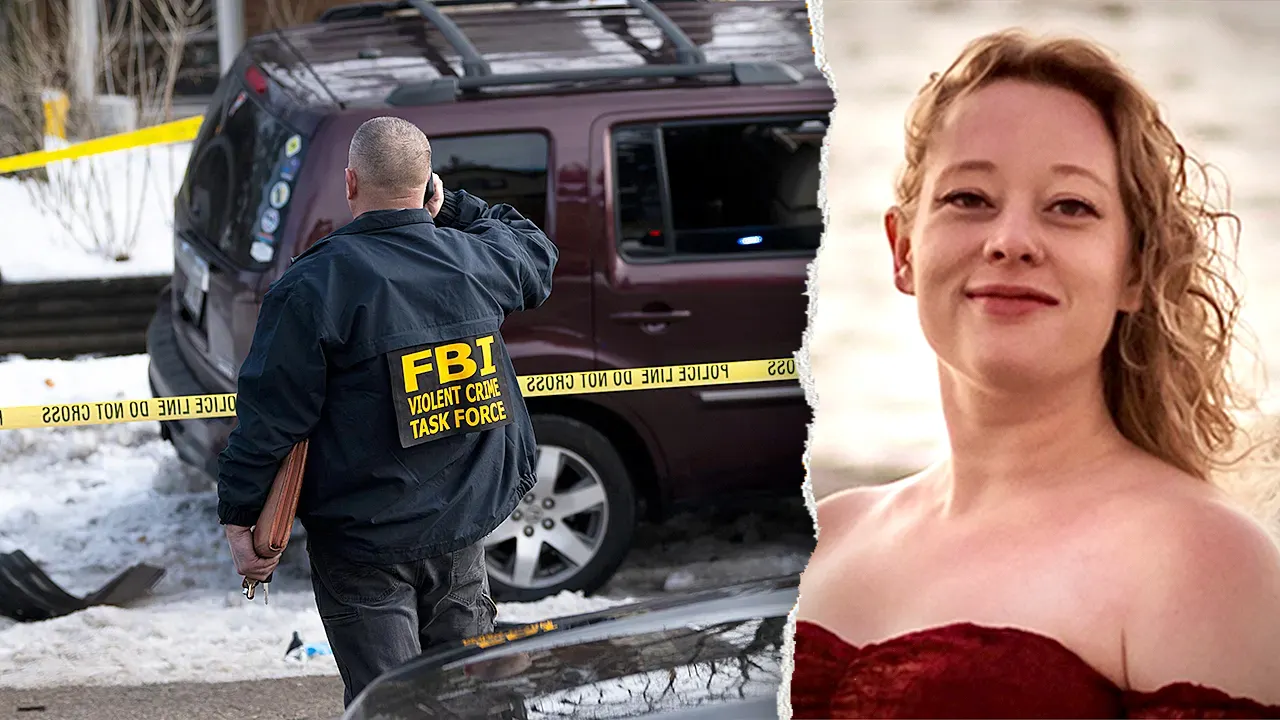
In the wake of Renee Nicole Good’s fatal shooting by a U.S. Immigration and Customs Enforcement (ICE) officer in Minneapolis, newly released documents have shed light on the confusion and distress that erupted at the scene. On the morning of January 7, shortly after 9:38 a.m., panicked 911 calls began flooding in, with callers describing a shocking scene that would soon become national news. According to witnesses, an ICE officer fired multiple shots through Good’s windshield as she sat in her Honda Pilot SUV. The aftermath was immediate and chaotic—Good crashed into a nearby parked vehicle while her partner rushed to provide assistance. One caller vividly described seeing “blood all over the driver,” while another claimed the shooting happened “point-blank range” because “she wouldn’t open her car door.” The frantic nature of these calls, filled with screaming and shouting in the background, paints a picture of a community suddenly thrown into crisis as bystanders struggled to process what they had just witnessed.
The Response and Medical Efforts
According to the police report, the Minneapolis Fire Department arrived at the scene by 9:45 a.m. and immediately began providing medical aid to Good as a crowd started to form around the area. The situation deteriorated quickly—by 9:50 a.m., the report indicates the crowd had become increasingly hostile, prompting authorities to request additional law enforcement for crowd control just two minutes later. Meanwhile, medical responders were fighting to save Good’s life. The fire department report revealed she had sustained four gunshot wounds—two to the chest, one to her left forearm, and one to the left side of her head—more than the three shots initially reported. Despite lifesaving efforts that continued in the ambulance and at Hennepin County Medical Center, CPR was discontinued at 10:30 a.m. The immediate medical response, though swift, ultimately couldn’t save Good’s life, transforming what began as an ICE operation into a tragedy that would soon inflame tensions between federal authorities and the local community.
Escalating Tensions and Federal Retreat
As news of the shooting spread, the situation at the scene quickly escalated into a standoff between federal agents and an increasingly agitated crowd. By 10:04 a.m., the ICE officer who had fired the shots was no longer present, having been transported to a “federal building,” while police requested that remaining federal agents evacuate “when safe and as fast as possible.” The documents paint a picture of a volatile situation spiraling out of control—by 11:01 a.m., ICE agents were reportedly “being surrounded,” and within 20 minutes, all federal agents had left the scene entirely. The hostility didn’t end with their departure; the report mentions protesters burning flags and throwing ice and snowballs at the remaining officers. “Agitators” were reportedly cutting the crime scene tape established by law enforcement, further complicating efforts to secure the area. The incident wasn’t officially closed until approximately 4:59 p.m. local time, revealing how a single shooting had transformed into hours of community unrest and confrontation with authorities.
Conflicting Narratives and DHS Defense
The Department of Homeland Security has defended the actions of the ICE officer involved, claiming the agent fired in self-defense after Good allegedly used her Honda Pilot SUV in a threatening manner. According to DHS officials, video evidence showed Good interfering with ICE operations by deliberately parking her vehicle in the roadway in what appeared to be an attempt to block federal vehicles. This official narrative stands in stark contrast to some eyewitness accounts captured in the 911 calls, where callers described seeing an officer shoot through the windshield of Good’s vehicle seemingly because she refused to exit. The 17 pages of transcripts from these calls offer fragmented, often profane glimpses into what witnesses believed they saw in those critical moments. One caller specifically mentioned that someone had recorded video of the incident, foreshadowing the multiple recordings that would begin circulating online within hours, further fueling public debate about what truly happened in those fatal moments.
Political Fallout and Community Response
The shooting quickly took on political dimensions, with Rep. Ilhan Omar and the Minneapolis mayor accusing the Trump administration of unleashing “political retribution” and an “invasion” through ICE activities in the city. These accusations highlight the tensions between federal immigration enforcement and local governance that have characterized many urban centers in recent years. Meanwhile, the community response was immediate and emotional. The gathering crowd at the scene represented not just curiosity but active resistance to federal immigration enforcement actions, with the situation evolving from medical emergency to political demonstration within hours. Good’s former father-in-law weighed in as well, suggesting the deadly shooting was the result of “bad choices,” though it’s unclear whether he was referring to actions taken by Good, the ICE officers, or both. His comments add another layer to the complex narrative surrounding this tragic incident, where personal histories intersect with broader political conflicts about immigration enforcement.
Legal Representation and the Search for Accountability
As the community processes this tragedy, Good’s family has secured legal representation from Romanucci & Blandin, a Chicago-based law firm with significant experience in high-profile civil rights cases. The firm previously represented George Floyd and Sonya Massey, placing Good’s case within a larger context of controversial deaths involving law enforcement. On Thursday, the firm delivered an “evidence preservation” letter to the federal government, signaling the beginning of what will likely be a lengthy legal process seeking accountability and potentially compensation for Good’s death. This legal development suggests the incident will continue to be scrutinized, with potential implications for ICE policies and practices nationwide. As federal investigations proceed and the legal case develops, the Minneapolis community is left to grapple with yet another incident that raises profound questions about the use of force, immigration enforcement tactics, and the relationship between federal agencies and local communities—questions that extend far beyond the tragic events of January 7 and speak to deeper divides in American society.