


Iranian Crown Prince Reza Pahlavi Unveils Bold Six-Step Plan for Regime Change
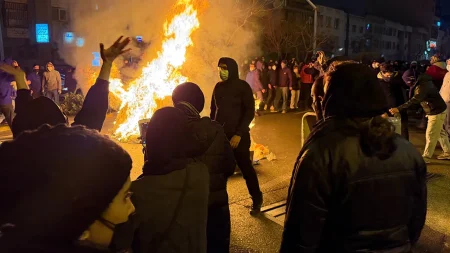
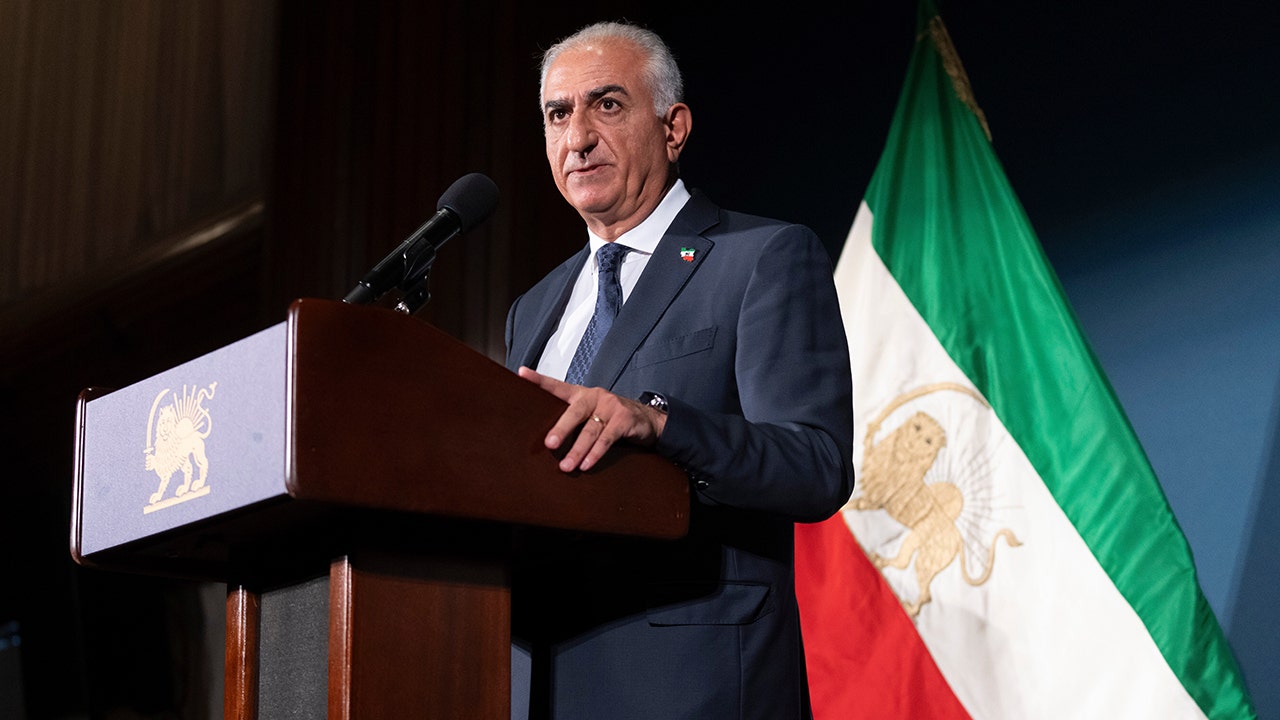
In a powerful declaration that resonated with hope and determination, exiled Iranian Crown Prince Reza Pahlavi has presented a comprehensive six-step plan designed to pressure the Islamic Republic’s regime toward collapse. “My brave compatriots still holding the line with their broken bodies but unbreakable will need your urgent help right now,” Pahlavi stated with conviction. His message carried both urgency and certainty as he asserted that the current Iranian government is “close to collapse” and that its fall is a matter of “when, not if.” The Crown Prince portrayed the current Iranian leadership as desperate, saying “Ali Khamenei and his thugs know this. That’s why they are lashing out like a wounded animal.” According to Pahlavi, the Iranian people have made their desires clear – they’re not merely rejecting the current regime but demanding a credible new path forward, and many have specifically called for his leadership through this challenging transition period.
At the heart of Pahlavi’s approach is a detailed six-step plan that calls for specific actions from the international community. His first priority focuses on protecting the Iranian people by “degrading the regime’s repressive capacity,” which includes targeting the Islamic Revolutionary Guard leadership and its command structures. The second step involves applying maximum economic pressure through blocking assets worldwide and dismantling the regime’s fleet of “ghost tankers” used to circumvent oil sanctions. These initial measures aim to weaken the regime’s ability to enforce its will while simultaneously cutting off its financial lifelines that fund oppression against its own citizens. The Crown Prince’s plan reflects a deep understanding of how the current regime maintains its grip on power – through both physical force and economic control – and targets these foundations directly.
The third and fourth steps of Pahlavi’s plan address communication and diplomatic pressure. He calls for breaking through the regime’s information blockade by enabling unrestricted internet access, specifically mentioning Starlink deployment and other secure communication tools that would allow Iranians to coordinate and share information freely. His fourth point demands accountability through diplomatic isolation – expelling Iranian diplomats from foreign capitals and pursuing legal enforcement actions against those responsible for crimes against humanity. These measures recognize the importance of both internal organization within Iran and external diplomatic pressure, creating a comprehensive approach that works from multiple angles simultaneously. By targeting the regime’s ability to control information and represent itself legitimately on the world stage, these steps would further isolate and delegitimize the current government.
The final two steps of Pahlavi’s plan look toward immediate humanitarian concerns and future governance. His fifth point demands the immediate release of all political prisoners, addressing one of the most visible human rights abuses under the current regime. The sixth and final step calls on the international community to prepare for democratic transition by committing to recognize a legitimate transitional government “when the moment comes.” This forward-looking approach demonstrates Pahlavi’s recognition that pressure alone isn’t enough – there must be a clear path forward and international support for what comes after. These last components of his plan reflect both pragmatism and principle, acknowledging both the immediate needs of those suffering under the regime and the longer-term requirements for stable democratic governance.
When asked about former President Donald Trump’s seemingly ambivalent stance regarding his potential leadership role, Pahlavi responded with diplomatic clarity. Trump had recently told Reuters, “He seems very nice, but I don’t know how he’d play within his own country,” adding that “I don’t know whether or not his country would accept his leadership.” Rather than expressing frustration at this uncertainty, Pahlavi found common ground with Trump’s position, stating, “President Trump has said that it’s up to the Iranian people to decide, and I totally agree.” This response demonstrates Pahlavi’s commitment to democratic principles even before taking power, emphasizing that legitimacy must come from the Iranian people themselves rather than from foreign endorsements or interventions.
Pahlavi expressed confidence in his popular support among Iranians, asserting, “I’ve always said it’s for the Iranian people to decide. And I think the Iranian people have already demonstrated in great numbers who it is that they want them to lead to this transition.” This statement reveals his belief that he already has substantial backing within Iran, despite decades in exile. The Crown Prince concluded by expressing confidence in his ability to lead the transition: “I’m confident that I have the support of my compatriots. And as for the international leaders to assess the fact on the ground and see who is capable of doing that. I believe I can, and I have the Iranian people’s support.” His words convey both the self-assurance needed for leadership and recognition that legitimacy ultimately derives from the will of the Iranian people, striking a balance between asserting his readiness to lead and respecting democratic principles.