


Iran’s Ethnic Minorities Hold Key to Nation’s Future
As anti-regime protests in Iran appear to be temporarily subsiding, experts are highlighting a critical factor that could determine the country’s future trajectory: Iran’s diverse ethnic minority population, which comprises nearly half the nation. This complex tapestry of cultural identities has long struggled under the Islamic Republic’s centralized governance, creating tensions that have now reached a breaking point. According to Shukriya Bradost, a prominent academic expert on Iran’s minorities who herself was born in Iranian Kurdistan, these ethnic groups have been fighting for their rights since the establishment of the Islamic constitution in 1979. The demographic breakdown reveals that while 51% of Iranians are Persian, significant minorities include Azeris (24%), Kurds (8-17%), Arabs (3%), and Baluch (2%). This diversity presents both challenges and opportunities for those seeking change in Iran’s political landscape.
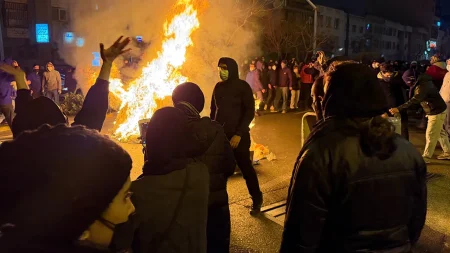
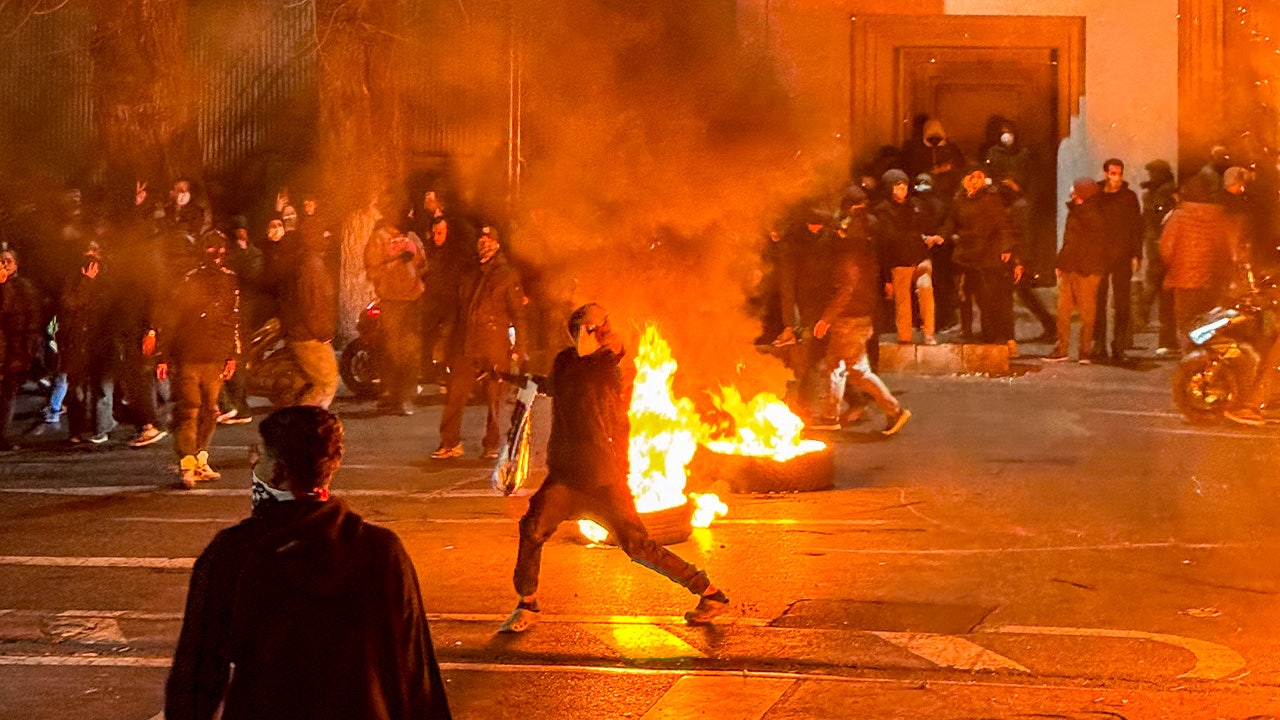
The current wave of unrest has taken a devastating human toll, with casualty figures varying dramatically depending on the source. Human Rights Activists in Iran report at least 2,571 deaths during the protests, while opposition leader Reza Pahlavi suggests the number may be as high as 12,000. The violence has been particularly severe in minority regions, where residents have long faced discrimination and marginalization under the Islamic Republic’s rule. Bradost’s assessment of the situation is blunt: “The regime cannot survive anymore. The regime will fight to the last bullet if Khamenei is still alive.” This statement reflects the growing belief among analysts that Iran has reached a decisive moment in its history, with Supreme Leader Ali Khamenei’s brutal crackdown on protesters only hardening resolve among those seeking change.
Ethnic minorities, particularly Kurds, have emerged as crucial players in this struggle for Iran’s future. Sardar Pashaei, president of Hiwa, a nonprofit organization working with Kurdish activists, emphasizes that “no meaningful political transition can succeed without them.” Kurdish communities have decades of experience resisting authoritarian rule and have consistently paid a high price through repression, imprisonment, and death. Their role is not merely symbolic but fundamental to any substantive challenge to the Islamic Republic’s authority. Kurdish political culture strongly favors democratic values, pluralism, and women’s participation, making them natural allies for those seeking a more inclusive and democratic Iran. Their experience in neighboring countries like Iraq and Syria, where Kurdish-administered areas became relatively stable following the collapse of dictatorships, offers a potential model for Iran’s post-regime future.
The provinces of Kermanshah and Ilam deserve particular attention according to Khalil Kani Sanani, spokesperson for the Kurdistan Freedom Party (PAK). These regions have become centers of uprising against the regime, with the spirit of revolt spreading from Kurdistan toward Tehran and across all of Iran. This pattern follows the trajectory of the “Women, Life, Freedom” movement that began after the murder of Mahsa (Jina) Amini, a young Iranian-Kurdish woman, by the morality police in September 2022. Kani Sanani notes that operations by Kurdish units against the Islamic Revolutionary Guard Corps (IRGC) have given hope to people and raised public morale. He suggests that if the airspace over these regions were closed to regime aircraft, Kurdish forces could rapidly take control of cities in these provinces and mobilize significant numbers to assist protesters in Tehran. This statement highlights the strategic importance of these minority regions in any potential transition of power.
The path forward for Iran necessarily involves addressing the legitimate grievances of its ethnic minorities. Siamand Moeini, a leader in The Kurdistan Free Life Party (PJAK), argues that “the current government has no capacity or program for internal democratic reforms. Therefore, the best alternative is a joint struggle to change it and establish a democratic system that includes participation from all peoples of Iran.” This perspective reflects a growing consensus among minority leaders that Iran’s future must break from its centralized past. Over the last century, authoritarian governance and state repression have resulted in the suffering and deaths of thousands—policies that the people of Iran have consistently rejected. Moeini proposes democratic self-governance for all regions of Iran, especially for Kurdistan, as a model that could adequately address the needs of these diverse populations while maintaining national unity.
As Iran faces this crossroads, the participation of ethnic minorities in shaping the nation’s future becomes not just important but essential. Their inclusion represents both a moral imperative and a practical necessity for sustainable change. “Iran’s future system of governance must be grounded in the broad participation and cooperation of all its peoples, laying the foundation for a truly sustainable and inclusive democracy,” Moeini emphasizes. This vision stands in stark contrast to the Islamic Republic’s model of centralized control and cultural homogenization. The challenge now facing Iran’s diverse population is how to translate the energy of protest movements into lasting institutional change that respects the country’s rich cultural diversity while uniting around common democratic values. The outcome of this struggle will not only determine Iran’s domestic future but will have profound implications for regional stability and international relations in the decades to come.