

Hidden Earthquake Hazard Discovered Under Northern California’s Lost Coast
In a groundbreaking discovery, scientists have identified a previously hidden tectonic plate fragment beneath Northern California that may be responsible for significant earthquake activity in the region. This chunk of Earth’s crust, now named the “Pioneer fragment,” is attached to the underside of the North American plate like “gum stuck to a shoe” and has been quietly influencing seismic activity in one of America’s most geologically complex regions.
The discovery helps explain the puzzling 1992 magnitude 7.2 Mendocino earthquake, which originated at a surprisingly shallow depth of only about 10 kilometers. This was perplexing to scientists at the time because the known subducting Gorda Plate in the area was at least twice as deep. The newly identified Pioneer fragment provides a missing piece to this geological puzzle, suggesting the quake originated along the boundary between this hidden fragment and the North American plate above it.
This region of Northern California, known as the Lost Coast, sits at what geologists call the Mendocino triple junction – a rare and complex meeting point where three tectonic plates converge. The North American Plate and Pacific Plate slide past each other, creating the San Andreas Fault system, while the smaller Gorda Plate (a remnant of the ancient Farallon Plate) dives beneath North America in what’s called the Cascadia subduction zone. But the new research reveals that what was thought to be a triple junction is actually more complex, with at least two additional fragments involved in this tectonic dance – the newly identified Pioneer fragment and another piece of the North American Plate that has broken off and is being dragged down into the mantle.
The research team, led by U.S. Geological Survey geophysicist David Shelly, employed an innovative approach to visualize these hidden structures. They analyzed swarms of tiny, imperceptible earthquakes that create tremors detectable by sensitive instruments. By “stacking” data from numerous such events, they were able to precisely map the depth and location of these micro-quakes, eventually revealing the outline of the Pioneer fragment approximately 10 kilometers below the surface. This technique essentially allowed them to “see” a buried plate boundary that wasn’t visible through conventional methods.
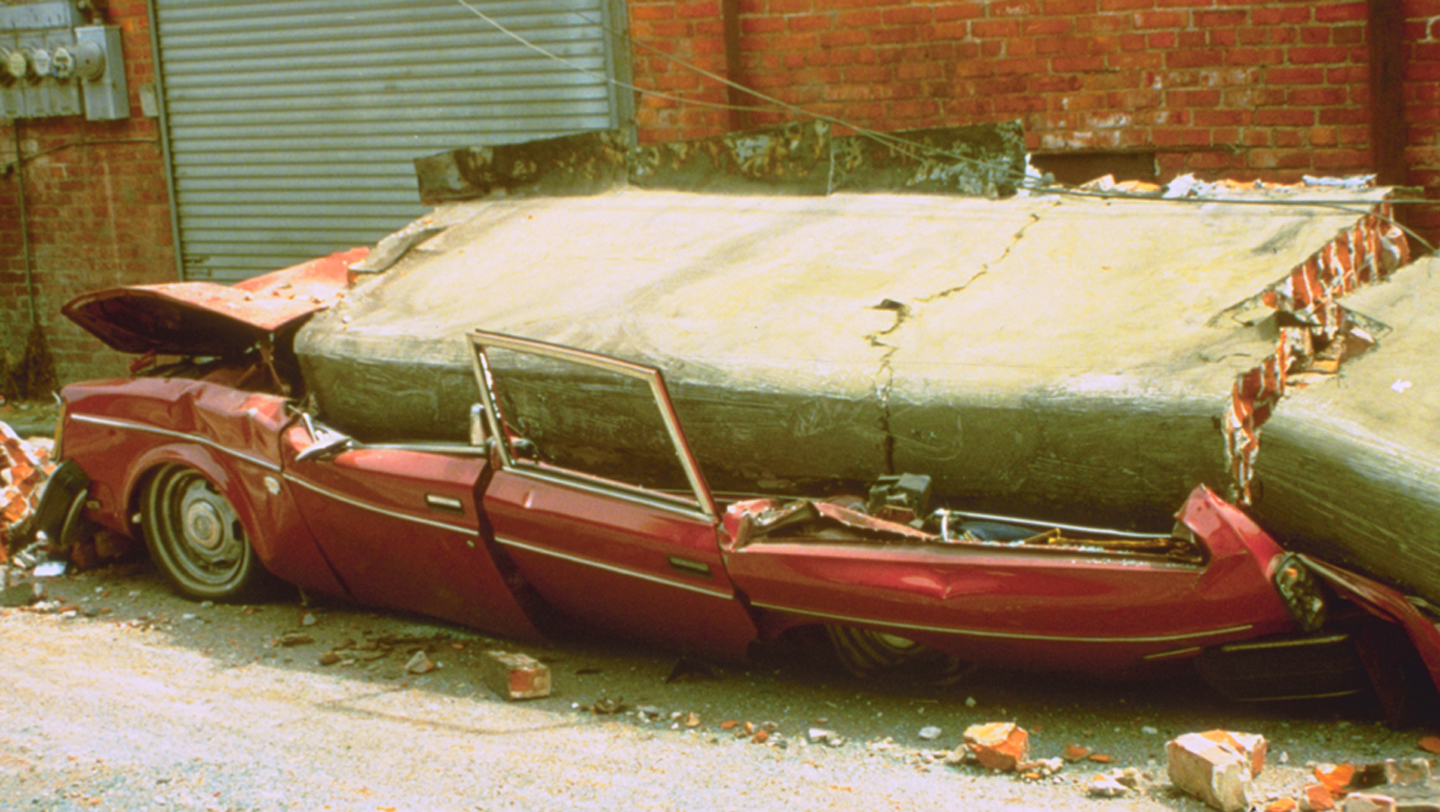
This discovery has significant implications for earthquake hazard assessment in Northern California. According to Matthew Herman, a geophysicist at California State University, Bakersfield who wasn’t involved in the study, the Pioneer fragment “may pose a distinctly different type of earthquake hazard than we expect.” The previously unknown fault line between the fragment and the North American plate could generate strong but shallow earthquakes – similar to the 1992 Mendocino quake – which can be particularly damaging to surface structures.
The research highlights how much remains to be discovered about Earth’s complex subsurface architecture, even in well-studied regions like California. What was once viewed as a relatively straightforward meeting of three tectonic plates turns out to be a far more intricate arrangement of crustal fragments, sinking slabs, and hidden fault lines. This more complete picture of the region’s geology will help scientists better understand and prepare for potential future earthquakes, ultimately enhancing public safety in this seismically active part of the country.