



Hoax Bomb Threat Disrupts Turkish Airlines Flight via Wi-Fi Hotspot
In a startling incident that highlights modern aviation security challenges, Turkish Airlines Flight 1853 was forced into emergency protocols on Thursday morning due to a passenger creating a Wi-Fi hotspot with an alarming name suggesting a bomb threat. The Istanbul to Barcelona flight, carrying 148 passengers and seven crew members, was approaching Barcelona-El Prat Airport when the situation unfolded, transforming what should have been a routine landing into a high-alert security operation. The incident demonstrates how something as simple as a mobile hotspot name can trigger full-scale emergency responses in today’s security-conscious air travel environment.
According to Yahya Üstün, Turkish Airlines’ senior vice president of communications, a crew member discovered a passenger had created an in-flight internet access point with a disturbing name. Reports indicate the Wi-Fi network was named “I have a bomb, everyone will die,” instantly prompting the flight crew to initiate emergency procedures. The gravity of the situation escalated quickly as the Airbus A321 was flying over the Mediterranean, and authorities wasted no time responding to what appeared to be a credible threat. The aircraft received an exceptional escort by both Spanish and French fighter jets as it approached Barcelona, illustrating the international coordination that occurs during potential aviation security incidents.
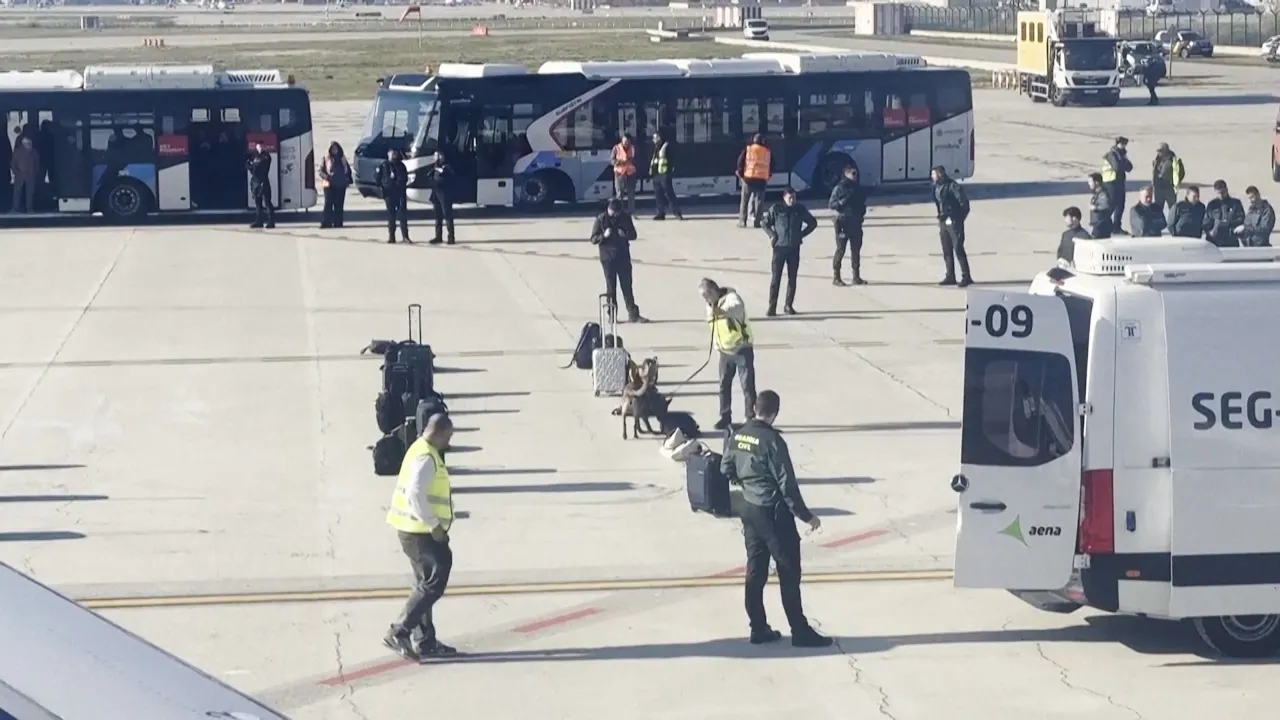
Upon safely landing at Barcelona-El Prat Airport, the aircraft was directed to a special isolation area away from regular terminal operations, where a comprehensive security inspection took place. Spanish authorities, including the Civil Guard, National Police, and Catalonia’s regional police and fire services, rapidly deployed to the scene to manage what could have been a catastrophic situation. The response was thorough and methodical, with security personnel examining the aircraft while passengers remained on board during the initial assessment. Footage from the scene showed security dogs inspecting passenger luggage on the tarmac as part of the meticulous security protocol designed to ensure no actual explosive devices were present.
The tension gradually dissipated as “no irregularities were found” following the extensive inspection, according to airline officials. While the Wi-Fi name had created legitimate alarm among the flight crew, the situation proved to be a hoax rather than an actual security threat. This kind of incident represents a growing challenge for airlines and security personnel worldwide: distinguishing between genuine threats and ill-conceived pranks or hoaxes in an age when digital communications can instantly trigger security protocols. For passengers on board, what began as a routine flight transformed into hours of uncertainty and stress as they witnessed the full deployment of emergency services surrounding their aircraft.
This incident highlights the zero-tolerance approach to potential security threats in modern aviation. Even seemingly minor actions like creating provocatively named Wi-Fi networks can trigger international security responses involving multiple countries’ military and law enforcement resources. The swift reaction demonstrates the effectiveness of aviation security protocols, but also raises questions about the resources expended on hoax situations. Passengers who engage in such behavior, whether as a misguided joke or intentional disruption, may face serious legal consequences including criminal charges related to making false threats—potentially resulting in substantial fines or imprisonment depending on local laws.
Following the all-clear from security teams, Turkish Airlines worked to resume normal operations. “Our aircraft’s return flight will be carried out after the completion of passenger boarding,” Üstün confirmed, as Barcelona-El Prat Airport returned to regular operations following the disruption. The incident serves as a stark reminder of the heightened security environment surrounding air travel and how seemingly innocent or thoughtless actions can trigger full-scale emergency responses. While authorities did not immediately release information about potential charges against the passenger responsible for creating the alarming Wi-Fi name, such cases typically result in serious legal consequences as aviation authorities consistently emphasize that security threats—even hoaxes—will never be treated lightly in our post-9/11 world.