



JPMorgan Chase Expands Seattle Footprint with Renamed Skyscraper and Tech Hub
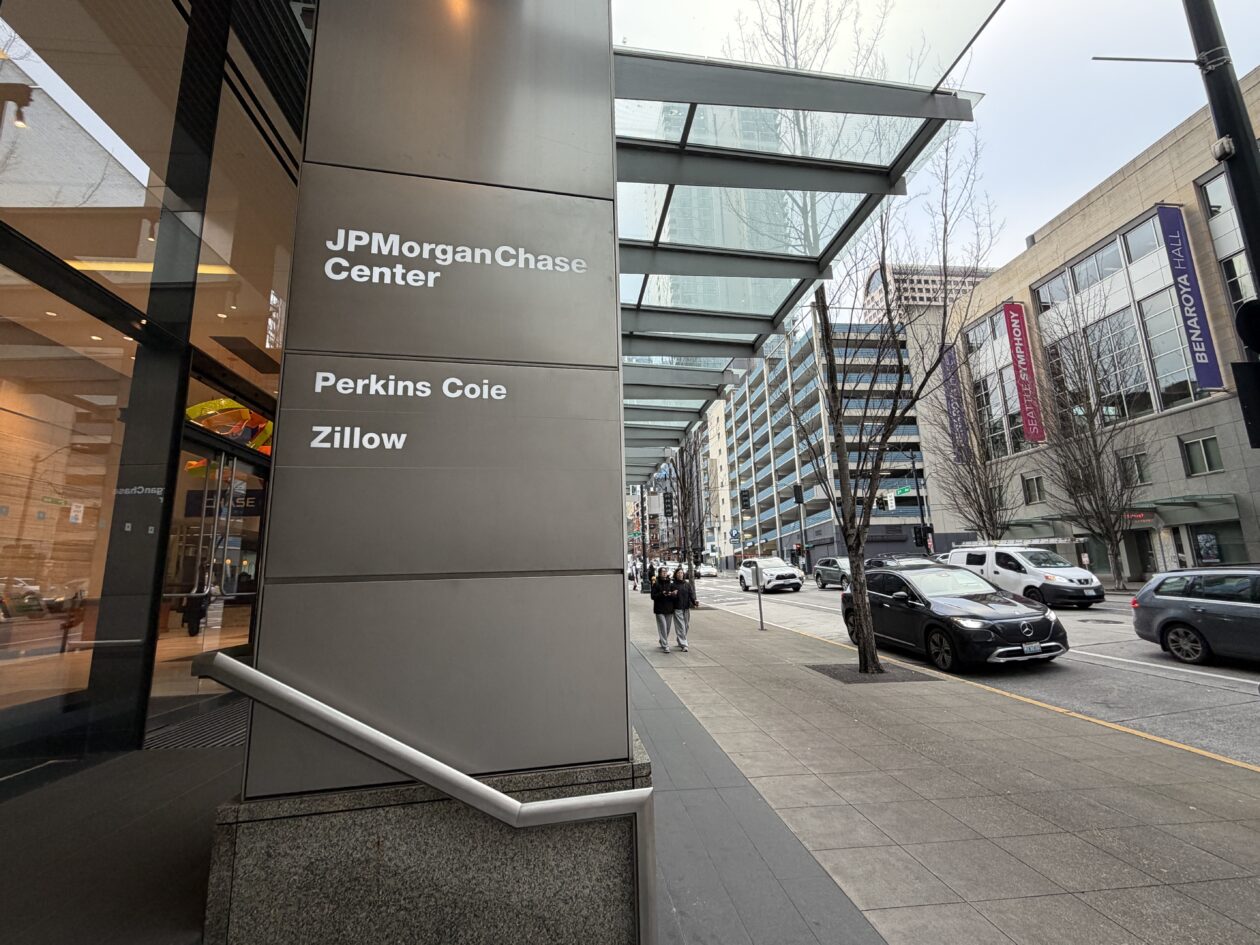
In a significant move reflecting its growing presence in the Pacific Northwest, JPMorgan Chase has renamed one of Seattle’s tallest skyscrapers after itself. The JPMorgan Chase Center, formerly known as the Russell Investments Center, now stands as a symbol of the financial giant’s expanding banking and technology operations in the city. Located at 1301 Second Avenue, the 42-floor tower has been partially occupied by the company for some time, but this rebranding coincides with a substantial expansion of their footprint within the building. Adding 40,000 square feet to their existing space, JPMorgan Chase now occupies 128,000 square feet of the downtown tower, making it one of the building’s anchor tenants alongside Zillow Group and the law firm Perkins Coie. This expansion comes as the company relocates its Seattle Tech Center from its previous location at 1201 Third Avenue into this newly expanded space, consolidating its technological operations under one roof.
The Seattle Tech Center represents JPMorgan Chase’s commitment to being a significant player in the city’s vibrant tech ecosystem. Since its establishment in 2018, the center has grown steadily, now employing approximately 400 tech workers out of the company’s total 850 employees in Seattle—a modest increase from the 380 tech staff reported last year. Under the leadership of Mamtha Banerjee, a respected computer scientist, business leader, and Seattle startup veteran, the center focuses on cutting-edge technologies that are reshaping the financial services industry: cybersecurity, cloud technologies, artificial intelligence, and machine learning. By situating this tech hub in Seattle, JPMorgan Chase is strategically positioning itself to tap into the region’s deep talent pool, which has been enriched by the presence of tech giants like Amazon and Microsoft. The bank’s expansion comes despite its implementation of a five-day in-office policy last year, bucking the trend of remote and hybrid work arrangements that many tech companies have embraced.
The renaming and expansion reflect JPMorgan Chase’s broader commitment to Washington state, where it currently employs more than 2,220 people across 150 branches and corporate offices. This local growth mirrors the company’s global footprint of approximately 320,000 employees worldwide, including those working in its recently opened Manhattan headquarters. Beyond physical expansion, JPMorgan Chase is also deepening its community ties in the Seattle area. Coinciding with the building renaming announcement, the company revealed $1.5 million in grants to five Seattle-area nonprofits: Business Impact NW, Friends of Little Saigon, Rainier Valley Community Development Fund, Seattle University’s RAMP-up program, and the Urban League of Metropolitan Seattle’s Capitol Hill EcoDistrict program. These investments demonstrate the financial institution’s desire to support local economic development and community resilience across diverse neighborhoods in the Seattle region.
JPMorgan Chase’s expansion stands in stark contrast to the broader trends affecting downtown Seattle’s commercial real estate market. The city’s office vacancy rate reached a record high of 34.7% in the fourth quarter of 2023, as hybrid work arrangements continue to reduce the demand for traditional office space. This challenging market environment makes JPMorgan Chase’s increased investment in physical office space particularly notable. The building itself has seen significant tenant changes in recent years, with Zillow dramatically reducing its footprint after committing to remote work during the pandemic. Today, more than 70% of Zillow’s workforce consists of remote employees, resulting in a substantial decrease in its office space requirements in the building. Similarly, Russell Investments, the building’s previous namesake, relocated its Seattle headquarters to nearby Rainier Square last year, creating an opportunity for JPMorgan Chase to assume greater prominence in the tower.
The company’s decision to increase its physical presence while requiring employees to work in the office five days a week signals JPMorgan Chase’s belief in the value of in-person collaboration, particularly for its technology operations. This philosophy aligns with statements from CEO Jamie Dimon, who has been a vocal advocate for returning to office-based work. For Seattle’s downtown core, which has struggled with reduced foot traffic since the pandemic, JPMorgan Chase’s expansion and full-time return-to-office policy represent a welcome investment. The increased presence of hundreds of financial and technology professionals can help revitalize surrounding businesses, from restaurants to retail, that depend on office workers for their customer base. It also sends a message of confidence in downtown Seattle’s future at a time when many have questioned the viability of urban centers in a post-pandemic world.
Looking ahead, JPMorgan Chase’s expanded presence in Seattle positions the company to compete more effectively for top talent in one of America’s leading technology hubs. By bringing together its banking expertise and technological innovation under one roof in the newly named JPMorgan Chase Center, the company is creating an environment where finance and technology professionals can collaborate to develop new solutions for an increasingly digital financial landscape. This investment comes at a time when financial institutions are racing to harness artificial intelligence, blockchain, and other emerging technologies to transform traditional banking services. For Seattle, the expansion reinforces the city’s growing importance not just as a technology center, but as a nexus where tech and finance increasingly intersect, creating new opportunities for economic growth and innovation. As JPMorgan Chase settles into its expanded home with its name prominently displayed on the Seattle skyline, it signals both the company’s long-term commitment to the region and the evolving nature of Seattle’s economy.