


Immigration Enforcement Amidst Controversy: Challenges and Perspectives
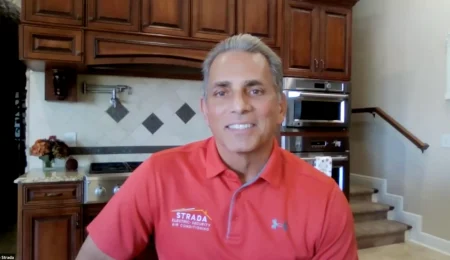
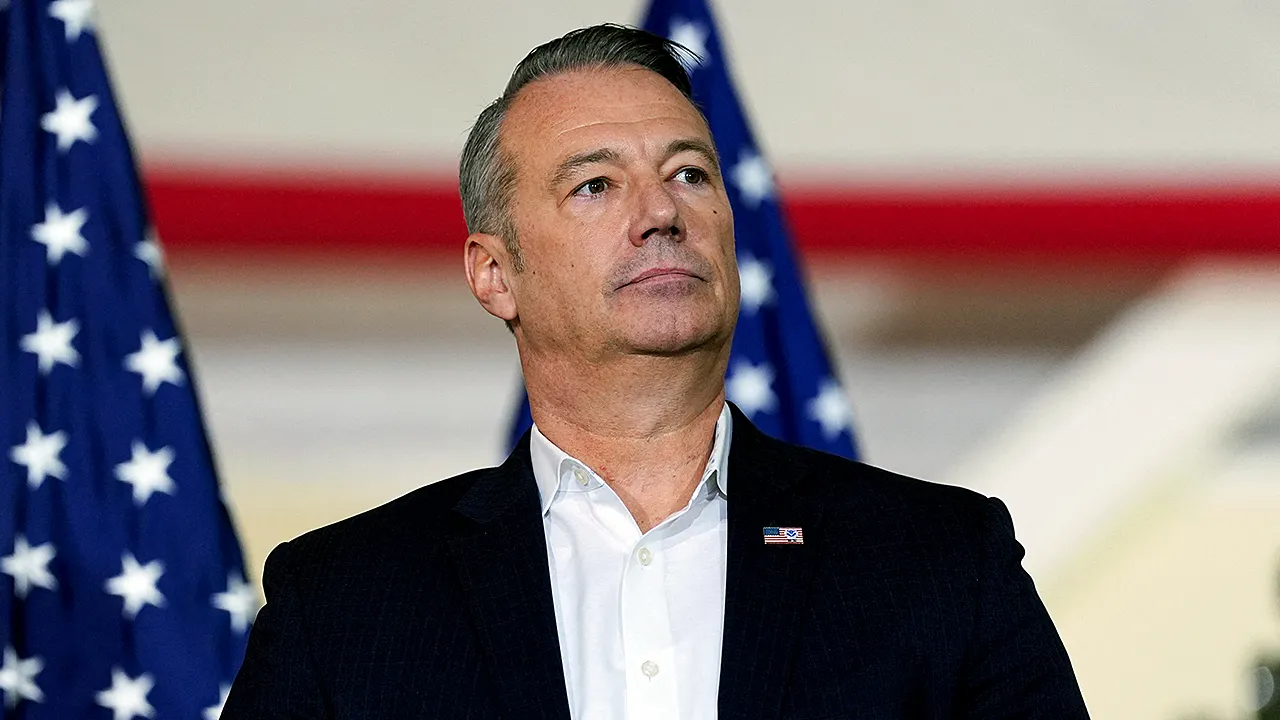
In a recent appearance on Fox News’ “Hannity,” Acting ICE Director Todd Lyons voiced concerns about the increasingly dangerous environment in which immigration enforcement agents operate. His comments came following a troubling incident in San Antonio, where video footage captured a suspected undocumented immigrant ramming vehicles in an attempt to escape arrest. This incident resulted in an ICE agent being hospitalized with neck injuries after their vehicle was struck during the confrontation. “Every day, this is what the men and women of ICE are facing,” Lyons explained, highlighting what he described as “constant impediments” and “constant attacks” against immigration enforcement personnel. His concerns paint a picture of law enforcement officers caught in the crossfire of America’s deeply divisive immigration debate.
Lyons suggested a direct connection between rhetoric from elected officials critical of ICE and incidents of resistance against enforcement operations. “When we hear elected officials calling upon individuals to impede or obstruct ICE law enforcement operations nationwide, you’re going to see incidents like this,” he stated, characterizing the San Antonio incident as an example where someone used “their car as a weapon” against federal agents. Beyond spontaneous resistance, Lyons made a more serious allegation, claiming that “criminal gangs” are systematically organizing groups to obstruct immigration enforcement activities. He distinguished between constitutionally protected protest and what he described as criminal obstruction of law enforcement, noting that “Homeland Security investigations, my folks, the FBI, we’re investigating these and people can be held accountable because you can’t organize groups to go out and impede law enforcement.”
The tension between local authorities and federal immigration enforcement was further highlighted when Lyons responded to recent comments from Philadelphia District Attorney Larry Krasner. The district attorney had warned he would prosecute any ICE agent committing unlawful acts during operations in Philadelphia, while noting his threat didn’t apply to “honest, decent, moral” agents. Lyons firmly rejected the premise that ICE agents engage in illegal activity, stating, “The men and women of ICE, the men and women of HSI, they’re not committing any crimes.” He redirected criticism toward sanctuary policies, arguing that such approaches allow “criminal aliens” to “commit heinous crimes like fentanyl trafficking, human trafficking, rape of a child.” This exchange underscores the fundamental disconnect between local officials prioritizing community trust and federal agencies focused on immigration enforcement mandates.
These tensions have reached a boiling point following a recent tragedy in Minnesota, where U.S. citizen Renee Nicole Good was fatally shot by ICE agent Jonathan Ross. According to reports, the masked agent fired into the driver’s open window from the side of the vehicle and was heard using profanity as the car crashed. The incident has sparked outrage, with Democrats and community members characterizing it as murder and demanding prosecution of the agent involved. The stark partisan divide in responses to this incident illustrates how deeply politicized immigration enforcement has become, with the Trump administration and Republican lawmakers defending the shooting as justified while critics see it as an example of excessive force and lack of accountability.
The ongoing debates around immigration enforcement reflect broader questions about balancing public safety with civil liberties and human rights. While Lyons emphasized the dangers ICE agents face in performing their duties, critics point to incidents like the Minnesota shooting as evidence that greater oversight is needed. The competing narratives highlight a fundamental disagreement about immigration policy priorities: should enforcement focus primarily on identifying and removing individuals without legal status, or should it prioritize targeting those who pose genuine public safety threats while minimizing collateral damage to families and communities? These questions have no simple answers, but they profoundly affect both the individuals targeted by enforcement actions and the agents tasked with carrying them out.
As the nation continues to grapple with these complex issues, incidents like those in San Antonio and Minnesota will likely further entrench opposing perspectives on immigration enforcement. For immigration agents, the daily work involves navigating not only potentially dangerous situations but also a politically charged environment where their actions are scrutinized through partisan lenses. For immigrant communities and their advocates, each enforcement action raises questions about proportionality, due process, and human impact. Finding common ground may seem increasingly difficult, but addressing the legitimate concerns of both law enforcement personnel and the communities they police remains essential to developing immigration policies that uphold both security and human dignity in a nation built by immigrants.