

Congressional Call for Justice and Reform Following Fatal ICE Shooting in Minneapolis
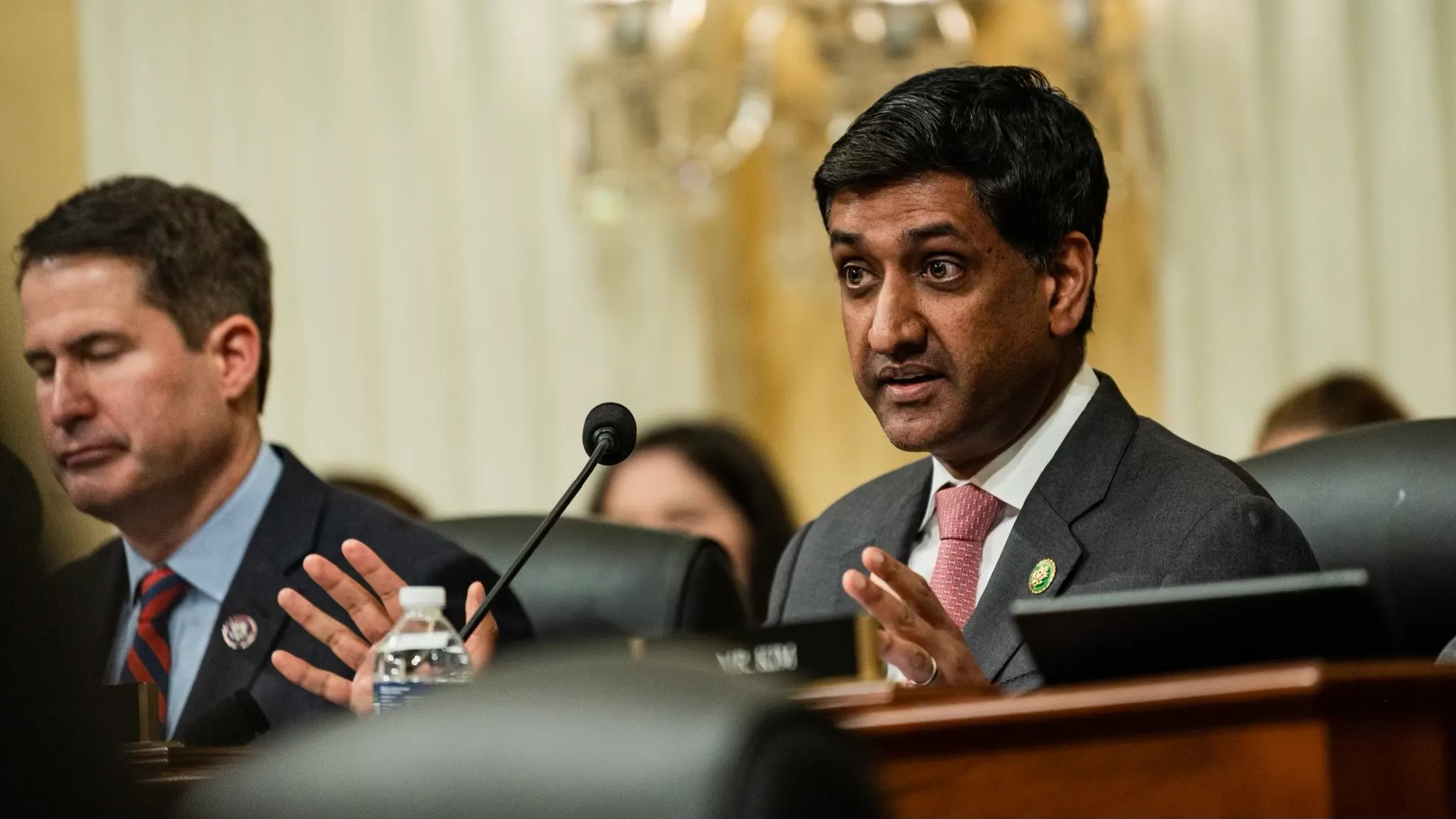
In the wake of a tragic incident that has ignited nationwide protests, Representative Ro Khanna of California has taken a strong stance demanding accountability and systemic change in federal immigration enforcement. The Democratic congressman has publicly called for the arrest and prosecution of an Immigration and Customs Enforcement (ICE) agent responsible for the fatal shooting of Renee Good, a 37-year-old woman from Minneapolis, during an operation on January 7. This incident has become a flashpoint in the ongoing national debate about immigration enforcement tactics and oversight, bringing to light concerns about transparency and accountability within federal agencies operating in local communities.
The circumstances surrounding Good’s death remain contested, with federal authorities asserting that agents were conducting enforcement operations when Good allegedly attempted to use her vehicle as a weapon against officers, prompting the fatal shooting in what they describe as self-defense. This account, however, has been vigorously challenged by local officials including Minneapolis Mayor Jacob Frey and Minnesota Governor Tim Walz, who have rejected the self-defense claim and criticized what they characterize as disproportionate immigration enforcement activity in their state. The disagreement has escalated to the point where Minnesota has filed a lawsuit against the federal administration, alleging that the immigration enforcement surge in the state is both “unlawful” and “unprecedented” in its scale and approach. Mayor Frey emphasized this point by stating, “What we are seeing right now is not normal immigration enforcement. The scale is wildly disproportionate, and it has nothing to do with keeping people safe.”
In response to the incident and the broader concerns it represents, Representative Khanna has partnered with Representative Jasmine Crockett of Texas to introduce legislation that would implement significant reforms to ICE operations. Their bill would mandate that ICE agents wear body cameras during all enforcement activities, display clearly visible identification, cease wearing masks during operations, and be subject to independent oversight mechanisms. These measures aim to increase transparency and accountability in immigration enforcement actions, addressing concerns that have been amplified by Good’s death and the subsequent controversy. Khanna’s call for these reforms represents an effort to balance the legitimate need for immigration enforcement with appropriate safeguards for civil liberties and community safety.
The federal administration, through the Department of Homeland Security, has pushed back forcefully against Minnesota’s lawsuit and the criticisms from local officials. DHS Secretary Kristi Noem has defended the actions of federal agents, maintaining that they are properly trained to handle dangerous situations and make appropriate decisions based on that training. The administration has accused Minnesota leaders of undermining public safety and obstructing legitimate federal law enforcement efforts, framing the dispute as one between necessary immigration enforcement and politically motivated opposition. This standoff highlights the tensions between federal immigration priorities and local governance concerns, particularly in diverse communities where immigration enforcement activities have significant social and political implications.
Good’s death has sparked widespread protests not only in Minneapolis but across the United States, with demonstrators calling for fundamental changes to federal immigration enforcement practices. These protests reflect growing public concern about the methods and oversight of ICE operations in residential communities and their impact on community relations and public safety. The incident has become symbolic of broader debates about immigration policy enforcement under the current administration, with critics arguing that aggressive tactics are causing unnecessary harm and supporters contending that such measures are essential for maintaining border security and enforcing immigration laws. The divergent perspectives on this case illustrate the deeply polarized nature of immigration discourse in America.
The controversy surrounding Renee Good’s death and the subsequent calls for reform represent a critical moment in the ongoing evolution of America’s approach to immigration enforcement. As Representative Khanna pushes for legislative changes and accountability measures, the case raises fundamental questions about the balance between effective law enforcement and respect for community values and civil liberties. The outcome of this situation—whether it leads to meaningful reforms in ICE operations, successful prosecution of the agent involved, or reinforcement of current practices—will likely have significant implications for immigration enforcement practices nationwide and for the relationships between federal agencies, local governments, and the communities they serve. As investigations continue and political responses unfold, this incident remains a powerful reminder of the human consequences of immigration policy decisions and the importance of transparent, accountable enforcement mechanisms.