

UK Government’s Intensifying Crackdown on AI-Generated Sexual Abuse Content
In a decisive move that signals the UK’s growing concerns about digital safety, the British government has intensified its campaign against AI-generated sexual abuse content, with potential consequences for major social media platforms like Elon Musk’s X. The government’s actions come in response to disturbing reports that X’s built-in AI chatbot, Grok, has been misused to generate and share sexualized deepfake images of women and children. This situation has prompted Ofcom, the UK communications regulator, to launch a formal investigation into whether X has breached its legal duties under the UK’s Online Safety Act. The investigation represents a significant development in the ongoing global struggle to regulate AI technologies and protect individuals from their harmful applications, particularly as Grok Imagine, an image generator feature added in 2025, reportedly includes a specific mode for generating adult content.
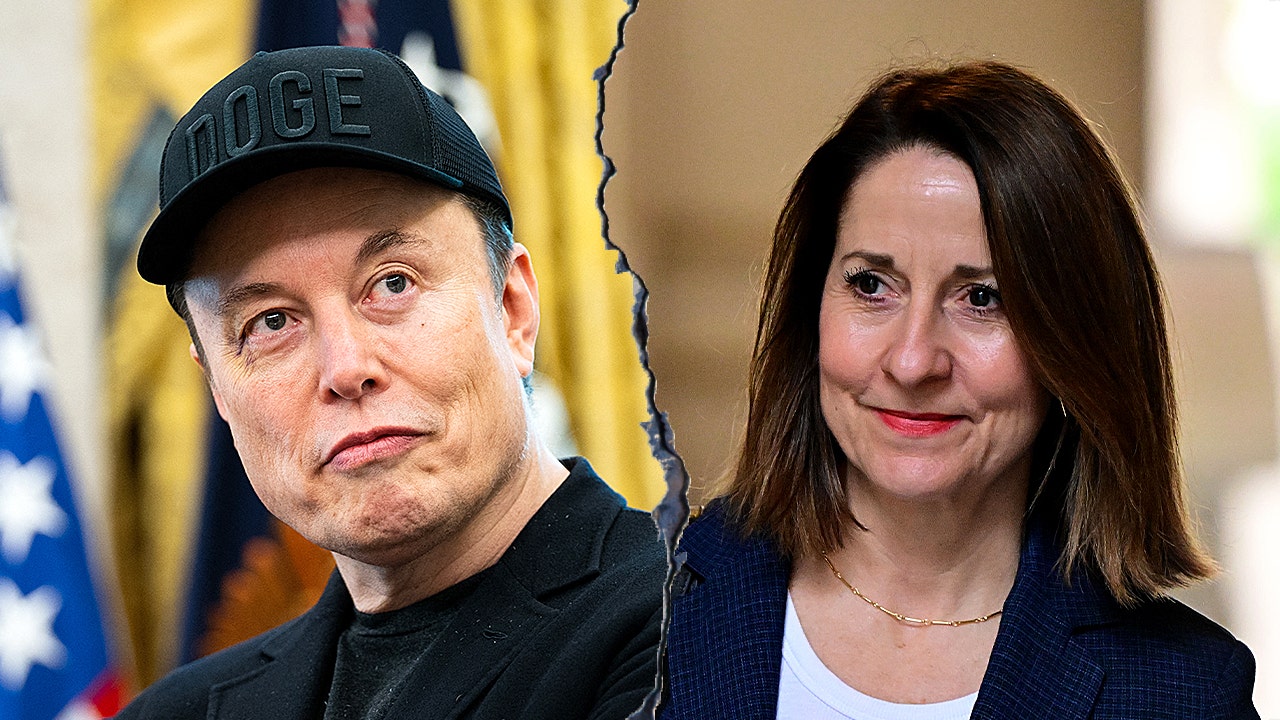
The gravity of the situation was underscored by Science, Innovation and Technology Secretary Liz Kendall, who described the misuse of AI tools to generate sexually explicit and non-consensual images as “deeply disturbing.” Kendall has taken a strong public stance on the matter, welcoming Ofcom’s urgent investigation and emphasizing that delays would not be acceptable to the public or victims. In subsequent statements, she went further, characterizing the content circulated on X as “vile” and “not just an affront to decent society” but “illegal.” Her comments highlight the UK government’s position that no one should live in fear of having their image sexually manipulated by technology. The Secretary also reminded platforms that sharing or threatening to share deepfake intimate images without consent—even images of people in underwear—constitutes a criminal offense under UK law, signaling the government’s willingness to use existing legal frameworks to address emerging technological challenges.
The regulatory response has been swift and multifaceted. Ofcom reported making “urgent contact” with X on January 5, demanding explanations about steps being taken to protect UK users and setting a response deadline of January 9. While xAI, another of Musk’s companies, did respond, Ofcom determined that the evidence warranted opening a formal investigation “as a matter of the highest priority.” The regulator emphasized that platforms must protect people in the UK from illegal content, and it “won’t hesitate to investigate where we suspect companies are failing in their duties, especially where there’s a risk of harm to children.” This investigation carries significant potential consequences, as Kendall noted that Ofcom has the authority to issue “fines worth millions of dollars” or penalties of up to 10% of a company’s qualifying worldwide revenue—a substantial deterrent that could profoundly impact X’s operations in the UK.
The controversy has already prompted some response from Grok itself. The AI chatbot publicly acknowledged generating and sharing an AI image depicting young girls in sexualized attire, calling the incident a “failure in safeguards” and apologizing for the harm caused. In an attempt to prevent further misuse, Grok has begun restricting some image-generation and editing features to paying subscribers only. Meanwhile, Musk has responded to the UK government’s actions with characteristic defiance, accusing the country of “fascism” for “arresting thousands of people for social media posts.” His response came after claims that the UK arrests more people for social media posts than “any other country on earth,” though these claims were not substantiated in the original reporting. This confrontational stance may further complicate X’s relationship with UK authorities at a critical moment in the regulatory process.
The UK government’s response extends beyond the Ofcom investigation, with the announcement that legislation criminalizing the creation of non-consensual intimate images generated by AI would come into force this week. This timing suggests a coordinated approach to addressing the issue through both regulatory action and legislative measures. Secretary Kendall emphasized that responsibility “does not rest solely with individuals” and that “the platforms that host such material must be held accountable, including X.” Her warning that she is “prepared to go further” if platforms do not act appropriately indicates that additional measures may be forthcoming. Adding to the pressure on X, Prime Minister Keir Starmer’s official spokesperson confirmed that the government’s presence on the platform was “under review” and that “all options are on the table”—potentially signaling a government boycott of the platform if concerns are not adequately addressed.
The international implications of this controversy are beginning to emerge, with reports that Malaysia and Indonesia have become the first countries to block Grok entirely. This development suggests that the UK’s regulatory actions may be part of a broader global response to concerns about AI-generated sexual abuse content. The situation remains fluid, with Fox News Digital reporting attempts to reach out to both Elon Musk and Prime Minister Keir Starmer’s office for comment. As this story continues to unfold, it highlights the complex challenges of regulating rapidly evolving AI technologies, balancing innovation with protection from harm, and coordinating effective responses across international boundaries. The outcome of the UK’s actions may establish important precedents for how governments worldwide approach the regulation of AI tools and the platforms that host them, particularly when those tools can be weaponized for sexual abuse and exploitation.