


Barbie Expands Inclusivity with First-Ever Autistic Doll
Mattel has taken a significant step in its commitment to diversity and representation by introducing the first-ever autistic Barbie doll. This groundbreaking addition to the iconic Barbie Fashionistas line represents a meaningful effort to acknowledge and celebrate how individuals with autism spectrum disorder experience the world around them. Developed over an 18-month period, the doll was created with careful guidance from the autistic community, particularly through collaboration with the Autistic Self Advocacy Network (ASAN), a respected non-profit disability rights organization. This partnership ensured that the doll’s design would authentically reflect the experiences and characteristics of people on the autism spectrum, making it more than just a toy but a symbol of recognition and acceptance for autistic children everywhere.
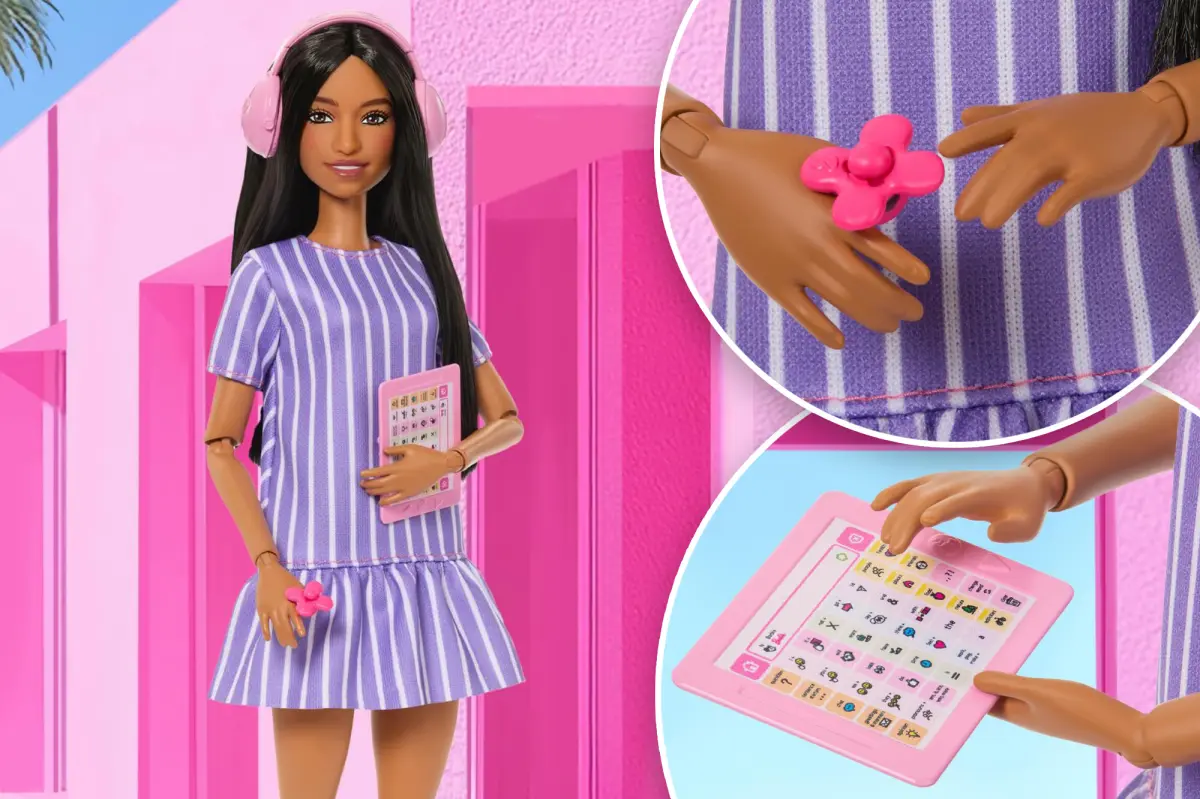
The thoughtful design of the autistic Barbie includes numerous features that reflect common experiences of those with autism. The doll has flexible elbow and wrist joints specifically engineered to allow for stimming and hand flapping – movements that many autistic individuals use to process sensory information or express excitement. Her gaze is intentionally shifted slightly to the side, acknowledging that some members of the autistic community may avoid direct eye contact in social interactions. These subtle but important details demonstrate Mattel’s commitment to authentic representation rather than mere tokenism. As Jamie Cygielman, Global Head of Dolls at Mattel, stated, “Barbie has always strived to reflect the world kids see and the possibilities they imagine, and we’re proud to introduce our first autistic Barbie as part of that ongoing work.” This initiative “helps to expand what inclusion looks like in the toy aisle and beyond because every child deserves to see themselves in Barbie.”
The accessories that accompany the autistic Barbie are particularly meaningful, as they represent common tools used by many individuals with autism to navigate daily life. Each doll comes with a finger clip fidget spinner that actually spins, providing a sensory outlet designed to reduce stress and enhance focus – something many people with autism find helpful. The doll also features stylish pink noise-cancelling headphones, which sit atop her head to represent how such devices help reduce sensory overload by cancelling out background noise that can be overwhelming for some autistic individuals. Additionally, the Barbie comes with a pink tablet displaying symbol-based Augmentative and Alternative Communication (AAC) apps on its screen, acknowledging the various communication tools that some people with autism utilize. These accessories aren’t just playthings; they’re representations of real adaptive tools that help many autistic people thrive in their daily lives.
Even the doll’s clothing has been carefully considered to reflect sensory preferences common among some autistic individuals. The autistic Barbie wears a loose-fitting purple pinstripe A-line dress with short sleeves and a flowy skirt, designed to minimize fabric-to-skin contact that can be uncomfortable for those with sensory sensitivities. Her purple shoes feature flat soles to promote stability and ease of movement, another thoughtful touch that acknowledges the physical experiences of many autistic people. These design elements demonstrate how Mattel has gone beyond surface-level representation to create a doll that truly embodies the lived experiences of many in the autistic community. Colin Killick, Executive Director of ASAN, highlighted the significance of this approach, stating: “It is so important for young autistic people to see authentic, joyful representations of themselves, and that’s exactly what this doll is. We’re honored to see this milestone come to life, and we will keep pushing for more representation like this that supports our community in dreaming big and living proud.”
To celebrate this milestone and extend its impact, Barbie is donating more than 1,000 autistic Barbie dolls to leading pediatric hospitals that provide specialized services for children on the autism spectrum. The company has also partnered with advocates for the autistic community, including autism advocate and creative entrepreneur Madison Marilla, who shared her personal connection to the new doll: “I’ve been collecting Barbie dolls since I was four years old, and now this autistic Barbie will be one of my favorites. This autistic Barbie makes me feel truly seen and heard. I hope all the kids I’ve mentored feel the same when they see her, and I hope people who aren’t autistic feel educated and gain a better understanding of autism when they see this doll.” This sentiment captures the dual purpose of the doll – to provide representation for autistic children and to educate the broader community about autism, fostering greater understanding and acceptance.
The introduction of the autistic Barbie is part of Mattel’s broader initiative to create a more inclusive line of dolls that allows more children to see themselves reflected in the iconic brand. This follows last summer’s release of Mattel’s first-ever Barbie doll with type 1 diabetes, which came complete with a continuous glucose monitor and an insulin pump in Barbie’s signature pink. These additions to the Barbie family represent significant progress in toy representation, acknowledging that children come from diverse backgrounds and have varied lived experiences. By expanding the definition of who gets to be a “Barbie girl in a Barbie world,” Mattel is helping to create a more inclusive culture where all children can imagine themselves as part of the story. The autistic Barbie stands as a powerful symbol that neurodiversity is not just to be accepted but celebrated, and that being different doesn’t mean being any less valuable or worthy of representation in our cultural icons.