


Business Leader Voices Concern Over NYC Mayor’s Approach to Economic Development
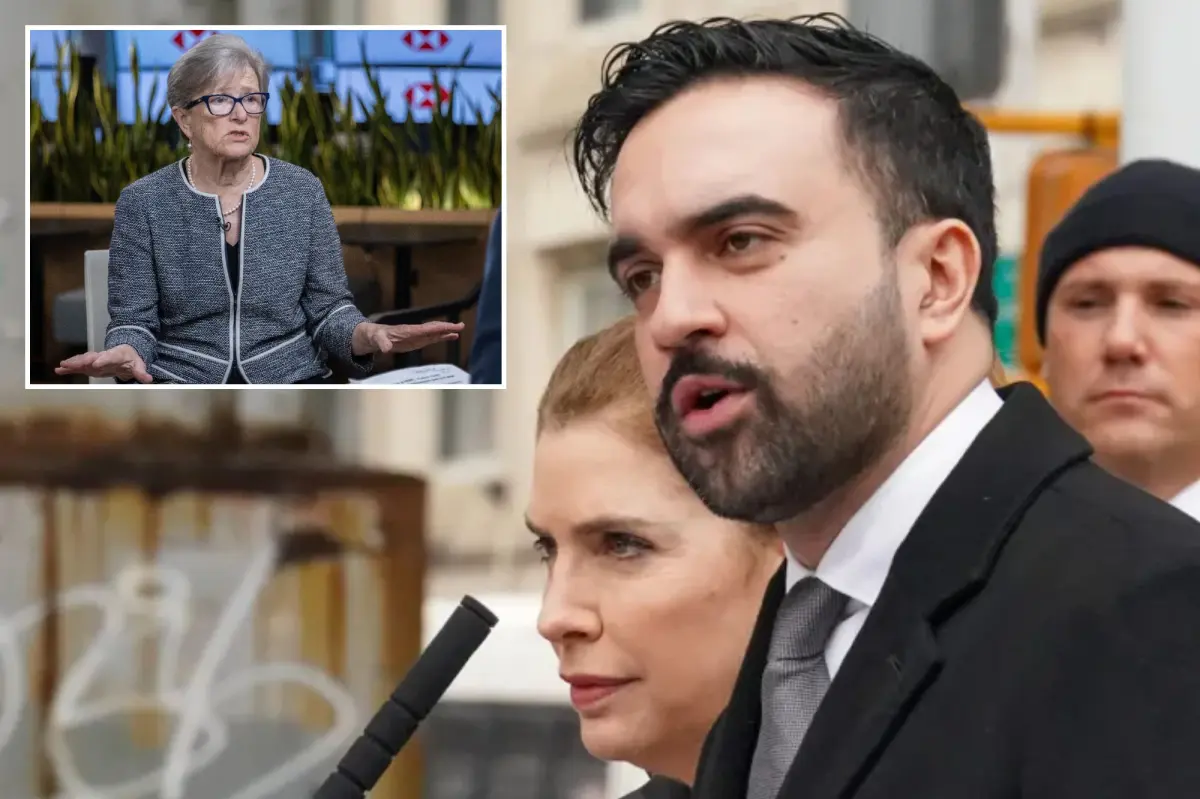
In a candid assessment shared on WABC’s “Cats Roundtable” program, Kathryn Wylde, the outgoing president and CEO of the Partnership for New York City, expressed concern about Mayor Zohran Mamdani’s administration’s approach to business and economic development. Speaking as someone with deep knowledge of the city’s economic landscape and as a member of Mamdani’s transition team on economic and workforce development, Wylde voiced apprehension about what she perceives as an adversarial stance toward the business community. “I think there’s reason to be nervous in the sense that so far what we’ve heard on the business side is that we’re not going to be doing economic development,” she noted, adding that the administration seems more focused on pursuing “economic justice” without clearly defining what that means. This uncertainty, according to Wylde, reveals a concerning gap in understanding how crucial economic growth and job creation are to New York City’s wellbeing and future prosperity.
Wylde’s comments highlight a growing tension between the traditional approach to economic development—which centers on supporting private sector growth—and newer perspectives that prioritize equity and corporate accountability. She specifically pointed to rhetoric from Lina Khan, co-chair of the transition committee and former Federal Trade Commission chair, as troubling. “Much of the language coming out of City Hall right now—particularly from the co-chair of the transition committee Lina Khan—sounds like business and employers are the enemy,” Wylde observed. Khan, known for her aggressive stance against corporate power during her tenure at the FTC, is reportedly considering policies to address issues like algorithmic price discrimination, surveillance pricing, and junk fees. There are also indications she may seek to leverage the city’s Department of Consumer and Worker Protection to provide greater oversight of technology companies, mirroring her approach at the federal level.
Despite these concerns, Wylde expressed optimism that a productive relationship between City Hall and the business community remains possible—if Mayor Mamdani takes a more active role in fostering collaboration. “I’m hoping that the mayor is going to counter that and keep faith with his commitment to build a broad coalition and to work with the business community,” she told host John Catsimatidis. “But so far we haven’t heard that clear message. That’s what I am waiting for.” Her statement reflects both hope for the mayor’s leadership and an implicit call to action for Mamdani to clarify his position on economic development and business partnerships as his administration takes shape. The business community, according to Wylde, stands ready to collaborate with the mayor if he extends an invitation for meaningful engagement.
Wylde’s assessment wasn’t entirely critical. She commended several of Mayor Mamdani’s early decisions, including his choice to retain Jessica Tisch as police commissioner and Dr. Mitchell Katz at the helm of Health+Hospitals, suggesting approval for continuity in critical city services. She also praised the mayor’s collaboration with Governor Kathy Hochul on the expanded child care initiative known as “2-Care,” as well as his appointments in the housing sector. These positive remarks indicate Wylde sees promise in certain aspects of the administration’s approach, even as she identifies economic development as an area needing stronger leadership and clearer vision. This balanced perspective adds credibility to her concerns about the economic development strategy, positioning them as constructive criticism rather than partisan opposition.
The tension Wylde describes reflects a broader national conversation about the relationship between government and business, particularly in progressive urban centers. Khan’s reported focus on corporate accountability measures represents one approach to addressing economic inequality and consumer protection, while Wylde advocates for a model that emphasizes growth and cooperation with the private sector. This philosophical difference raises important questions about how cities like New York can balance their commitments to equity and justice with the practical need for economic expansion and job creation. As Wylde points out, the city must “constantly grow” to thrive, which requires supportive policies for businesses of all sizes. Her comments suggest a concern that an overly regulatory or adversarial stance could hamper this necessary growth.
As the Partnership for New York City prepares for leadership transition—with former Jersey City Mayor Steve Fulop set to succeed Wylde—the organization’s stance on these issues will likely continue to evolve. Wylde’s parting message emphasizes that the business community remains willing to collaborate with Mayor Mamdani’s administration despite current concerns. “The business community is prepared to step up and work with [Mamdani],” she stated, leaving the door open for a productive relationship if the mayor chooses to prioritize economic development alongside his other initiatives. This willingness to engage, despite disagreements over approach, offers a pathway toward the “broad coalition” that both Wylde and Mamdani have expressed interest in building. The absence of an immediate comment from City Hall in response to Wylde’s remarks leaves open questions about how the administration plans to address these concerns and engage with the business community moving forward.