


Virginia Man Pleads Not Guilty in 2021 Capitol Pipe Bomb Case
In a dramatic court appearance on Friday, Brian J. Cole Jr. entered a not guilty plea to federal charges related to pipe bombs placed outside both the Democratic and Republican party headquarters in Washington D.C. on January 5, 2021—the day before the Capitol riot. Cole, arrested by the FBI at his Virginia home in early December, now faces serious charges that could result in up to 30 years in prison if convicted. The case has drawn significant attention not only because of its connection to the January 6 events but also because the bombs, though they failed to detonate, represented a potentially catastrophic threat to public safety in the nation’s capital during a period of intense political tension.
According to court documents, Cole’s journey from suspect to defendant followed a pattern familiar in high-profile federal cases. Initially denying any involvement when questioned by investigators, Cole allegedly changed his story when confronted with surveillance footage placing him at the scene. In what prosecutors describe as a confession, Cole reportedly admitted to placing the devices, which were set to detonate 60 minutes after placement. His stated motivation reveals the troubling intersection of political frustration and violent action—Cole allegedly told investigators that “something just snapped” as he watched events unfold after the 2020 election, and he wanted to target both political parties because “they were in charge.” This confession provides a disturbing glimpse into the mindset of someone who prosecutors say was willing to cause indiscriminate harm at the headquarters of America’s two major political parties.
The Justice Department has emphasized the severity of Cole’s alleged actions, noting in court documents that it was “luck, not lack of effort” that prevented potential deaths or injuries. Prosecutors assert that Cole’s inability to successfully detonate the devices does not diminish the “profoundly dangerous nature of his crimes.” This perspective highlights how federal authorities view attempted acts of political violence—the intent and actions taken toward violent ends carry significant weight, regardless of whether the planned outcome was achieved. Furthermore, investigators claim Cole continued purchasing bomb-making materials after the failed January 5 attack, suggesting an ongoing intention to pursue similar activities despite the initial failure, a factor that will likely influence both prosecution strategy and potential sentencing considerations if he is convicted.
The timing of Cole’s alleged actions gives the case particular significance in the broader narrative of January 6, 2021. By placing the bombs the evening before the Capitol riot, Cole created a security situation that diverted law enforcement resources at a critical moment. While authorities have not explicitly connected Cole to the larger January 6 attack, the coincidence of timing raises questions about whether the bombs were meant to create a distraction or were part of a larger coordinated effort. The devices were discovered outside both the Republican National Committee and Democratic National Committee headquarters, suggesting an intent to target the political establishment broadly rather than just one party—a claim seemingly supported by Cole’s alleged statement about wanting to do something “to the parties” because “they were in charge.”
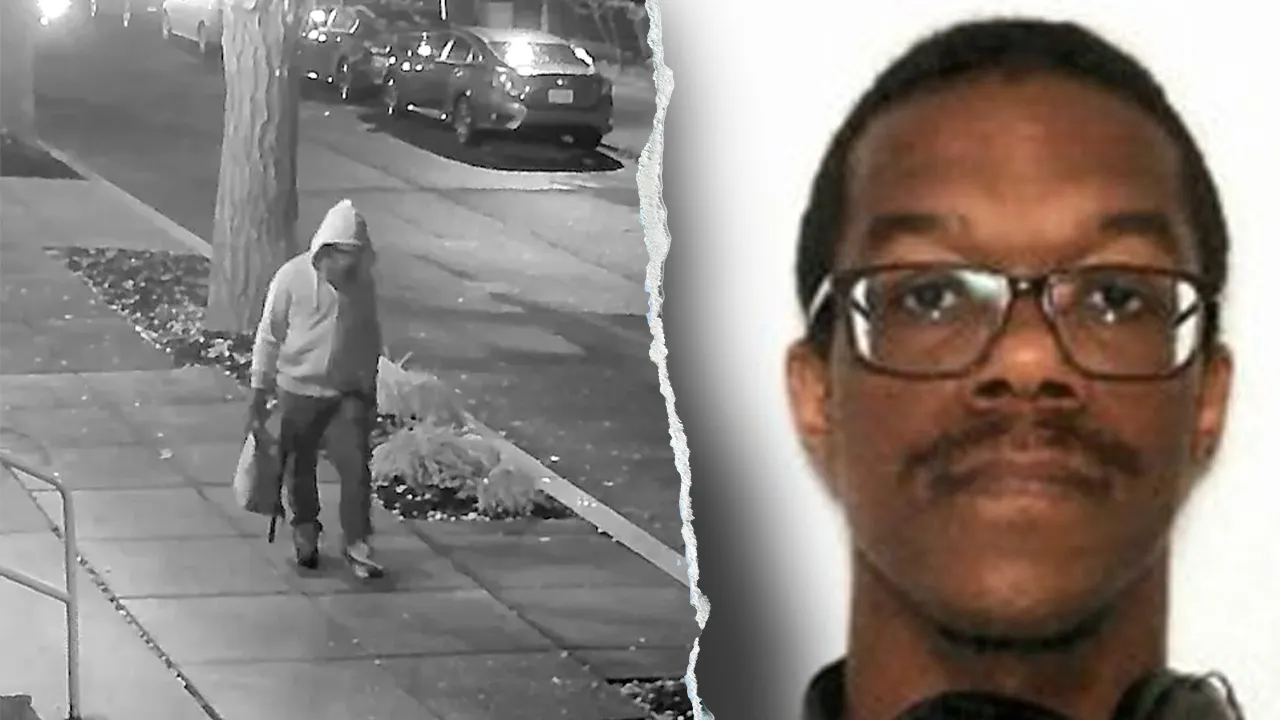
The indictment and arrest come nearly three years after the bombs were discovered, raising questions about the lengthy investigation. During this period, the FBI had released surveillance footage and offered a substantial reward for information leading to the suspect, who was seen wearing a hooded sweatshirt, mask, and gloves. The breakthrough in the case culminating in Cole’s arrest has been welcomed by lawmakers from both parties who had expressed frustration over the extended investigation. The case represents a significant development in the broader effort to hold accountable those responsible for various aspects of the violence and disruption surrounding the certification of the 2020 presidential election results, though Cole has not been implicated in the Capitol riot itself.
As the case proceeds through the judicial system, Cole faces serious consequences—up to 10 years for one charge and 20 years for the other if convicted. The proceedings will likely reveal more details about the investigation that led to his identification, the evidence against him, and potentially more about his motivations. This case stands as a sobering reminder of the real-world dangers that can emerge when political tensions reach extreme levels and individuals channel their frustrations into violence. Regardless of the outcome, the attempted bombing represents one of the most serious security threats in a period that has prompted ongoing concerns about political violence and extremism in American society, concerns that continue to resonate as the country moves through another contentious election cycle.