

Iran’s Internet Blackout: A Digital War Against Its Own People
In a desperate attempt to control the narrative and conceal alleged human rights abuses, the Iranian regime has activated what cybersecurity experts call an internet “kill switch.” This drastic measure has plunged the country into a digital darkness as nationwide protests continue to surge following the death of Mahsa Amini. NetBlocks CEO Alp Toker describes the situation bluntly: “This is Iran’s war against its own population using digital means.” The blackout began as a piecemeal measure but quickly encompassed the entire country, reducing internet connectivity to less than 2% of normal levels. Unlike previous internet restrictions that targeted specific services or regions gradually, this shutdown represents one of the most severe digital crackdowns ever recorded in Iran, suggesting the regime’s growing fear of the protest movement’s momentum and the potential for information about its crackdown to reach the outside world.
The technical sophistication of Iran’s internet shutdown reveals years of preparation by the regime. “It’s been in development since the Cold War,” Toker explains, noting that the government has centralized control into a “one-step operation.” This allows authorities to effectively silence digital communication nationwide with remarkable efficiency compared to previous shutdowns, such as in 2019, when the government had to disconnect services “one by one, city by city.” The current blackout extends far beyond just restricting social media or messaging apps—it impacts nearly all services, including essential ones like banking. With connectivity hovering below 2% of ordinary levels, most Iranians find themselves unable to communicate with each other or the outside world. The few exceptions include limited connectivity near border areas where signals from neighboring countries might reach, occasional fixed-line services that can be used for tunneling, and the theoretical possibility of satellite internet—though equipment like Starlink terminals are banned by the regime.
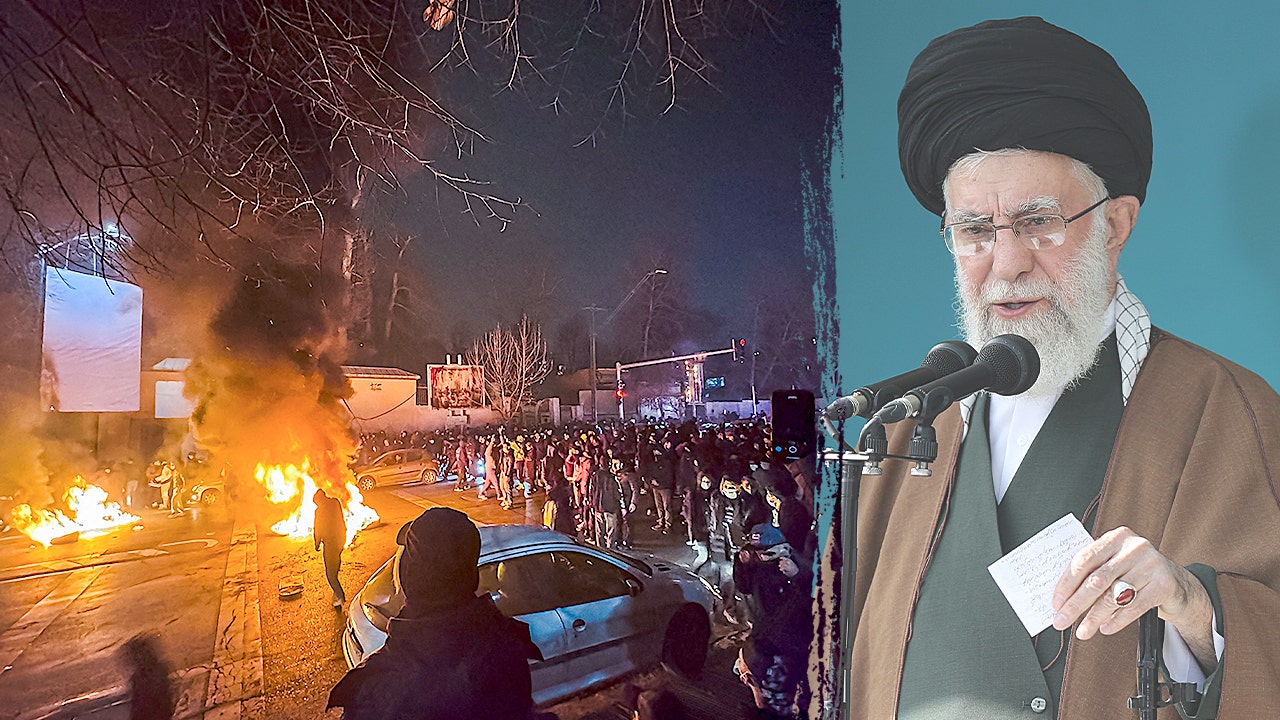
As the digital darkness descends, human rights organizations are raising alarms about the physical violence occurring in its shadow. According to Human Rights Activists in Iran, at least 65 people have been killed in the protests, with the death toll more than doubling in just days. The organization also reports that over 2,300 people have been arrested as demonstrations spread to at least 180 cities across the country. Amnesty International has documented a “deadly pattern of security forces unlawfully firing at, chasing, arresting and beating protesters,” suggesting that the internet blackout serves a dual purpose: preventing coordination among protesters and concealing the regime’s violent response from international scrutiny. “There would be an attempt by the regime to cover up crimes that it may have committed,” Toker warned, adding that “this blackout could potentially last for days or weeks.”
The current protests—ignited by the death of Mahsa Amini after her detention by morality police for allegedly not wearing her hijab properly—have evolved into a broader movement challenging decades of repression under the Islamic Republic. Unlike previous internet restrictions that maintained some baseline of connectivity, the comprehensive nature of this shutdown indicates the regime perceives an existential threat in the current unrest. “They pulled the plug,” Toker observes, implementing “a far more extreme measure” than in previous crackdowns. This suggests “the regime is scared and isn’t taking risks when it comes to the possibility of information reaching the outside world.” The protests have gained international attention, with dramatic scenes of demonstrators scaling the Iranian embassy in London and tearing down the regime’s flag, replacing it with a pre-revolution symbol.
The international community’s response has been vocal but limited in effectiveness. Former U.S. President Donald Trump warned Iran’s leaders against using force on protesters, stating: “I just hope the protesters in Iran are going to be safe, because that’s a very dangerous place right now. You’d better not start shooting, because we’ll start shooting, too.” While such statements may express solidarity with the Iranian people, the practical options for intervention remain constrained, especially given the comprehensive nature of the internet shutdown. This digital isolation creates a troubling scenario where abuses can occur with minimal real-time documentation or awareness from the outside world. As Toker notes, “There’s very little that can be done from the outside, but it’s important to continue to support positive efforts.”
What makes this particular internet shutdown especially concerning is not just its scale but what it represents in the evolution of digital repression. The Iranian government has essentially created a centralized mechanism that can sever millions of people from the global information ecosystem at will, with “no legal procedures or mechanisms for people to push back.” This model of digital authoritarianism has implications beyond Iran, potentially inspiring other repressive regimes to develop similar capabilities. Yet despite the overwhelming digital darkness, small points of light remain. The determination of protesters to continue their demonstrations despite the risks demonstrates the limits of even the most sophisticated repression. As Toker concludes, “A free and open internet in Iran, and indeed in other countries, can encourage democracy and support basic liberties.” The current crisis underscores that fundamental truth, even as it highlights the extraordinary lengths to which authoritarian regimes will go to maintain control in the digital age.