



Anthem’s Healthcare Settlement: A Potential Financial Relief for Mental Health Patients
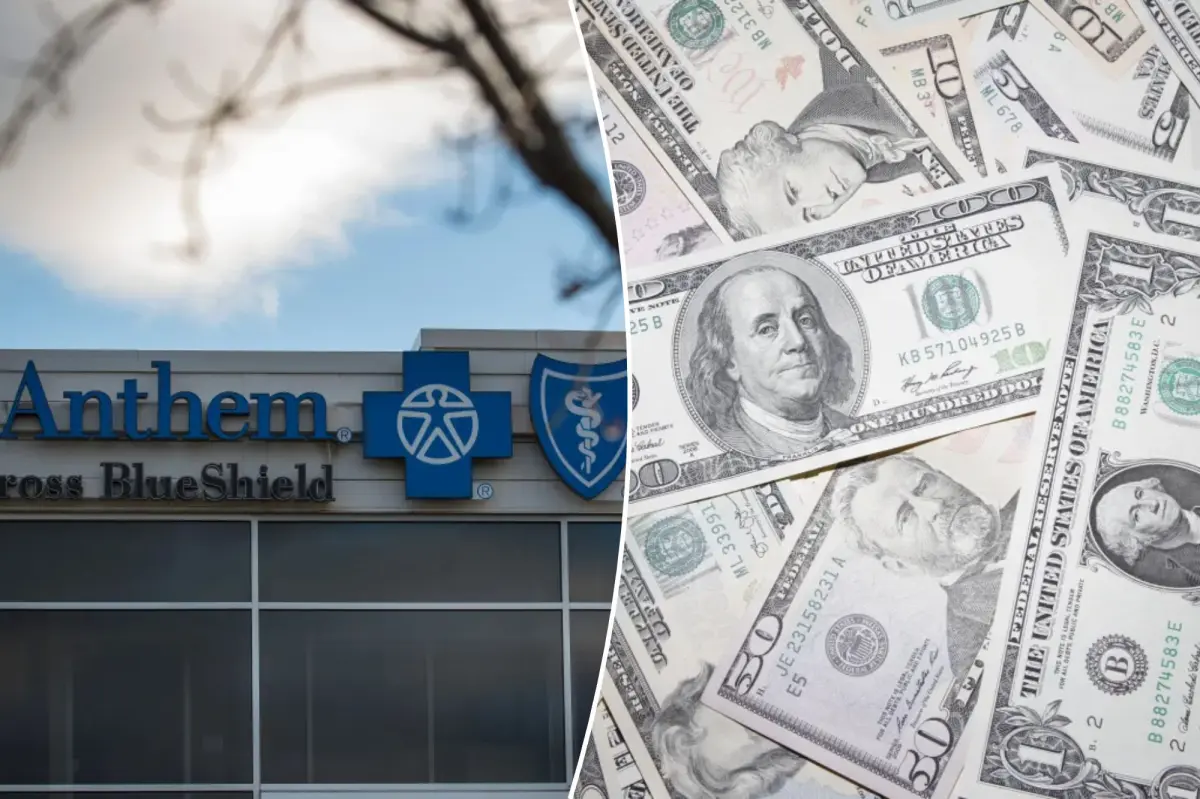
In a significant development for healthcare consumers, Anthem, one of America’s leading insurance providers, has agreed to a substantial $12.875 million settlement in a class action lawsuit. This agreement could bring welcome financial relief to thousands of customers who were denied coverage for mental health and substance use disorder treatments. The settlement addresses claims that Anthem rejected residential treatment services using overly restrictive criteria that deviated from generally accepted standards of care in the medical community. While Anthem maintains its innocence and denies any wrongdoing, the company has opted to settle to avoid protracted litigation and associated expenses, potentially benefiting many who paid out-of-pocket for necessary mental health care.
The settlement specifically targets individuals who had their claims for residential treatment of mental health conditions or substance use disorders denied by Anthem during an eight-year period from April 29, 2017, through April 30, 2025. For many Americans struggling with mental health issues or addiction, residential treatment represents a crucial, intensive intervention that can be prohibitively expensive without insurance coverage. When claims were denied, many patients and families faced the heartbreaking choice between forgoing potentially life-saving treatment or assuming significant financial burdens. This settlement acknowledges these hardships and offers a pathway to partial reimbursement for those affected, highlighting the ongoing national conversation about mental health parity and appropriate insurance coverage for psychological conditions.
To benefit from this settlement, eligible individuals must take action by submitting relevant documentation of their denied claims and subsequent out-of-pocket expenses by January 20. This process requires affected customers to come forward and officially join as Class Members in the settlement. The documentation will help establish eligibility and determine appropriate compensation levels based on individual circumstances. For many who have struggled with both mental health challenges and the financial aftermath of denied insurance claims, this represents an opportunity to recoup some of their expenses while also participating in a larger effort to hold insurance companies accountable for their coverage decisions regarding mental health and substance use disorder treatments.
The compensation structure for the settlement is designed to ensure all Class Members receive some benefit, though the exact amount each person will receive depends on several factors, including the total number of claims submitted. According to Anthem’s notice, Class Members will receive either a proportional share of the Out-of-Pocket Reimbursement Fund based on their individual expenses or a guaranteed minimum payment of at least $100. This approach aims to balance fairness with practicality, acknowledging that while some individuals may have incurred substantial costs, even those with smaller out-of-pocket expenses deserve recognition of their experience. The settlement thus attempts to address a range of financial impacts while working within the constraints of the total settlement amount.
Beyond the immediate financial implications for affected individuals, this settlement reflects broader issues in the American healthcare system, particularly regarding mental health treatment. The allegation that Anthem applied standards for approving residential treatment that were more restrictive than generally accepted medical guidelines touches on the ongoing challenge of achieving true parity between mental and physical health coverage. Despite legal requirements for such parity, many patients and advocates have argued that insurance companies continue to apply different standards when evaluating claims for mental health services. This settlement, while not an admission of guilt by Anthem, nevertheless brings attention to these concerns and may influence future coverage practices across the industry.
The settlement’s fairness will ultimately be evaluated at a Fairness Hearing scheduled for January 26, where a court will determine whether the terms are “fair, reasonable, and adequate” for all parties involved. This procedural safeguard ensures that the settlement genuinely serves the interests of the affected Class Members rather than primarily benefiting the attorneys or the insurance company. For individuals who have struggled with both mental health conditions and the financial consequences of denied coverage, this settlement represents not only potential monetary compensation but also a form of validation and acknowledgment of their experiences. While the settlement cannot undo the stress and hardship many faced when initially denied coverage for necessary treatment, it offers a measure of justice and potentially signals a shift toward more equitable mental health coverage practices in the future.