

ICE Officer Involved in Fatal Shooting Previously Dragged by Vehicle
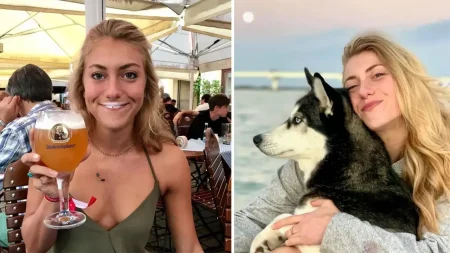
Recent developments have brought to light crucial background information about the Immigration and Customs Enforcement (ICE) officer who fatally shot Renee Nicole Good in Minneapolis. Reports indicate this same officer was seriously injured just months earlier in a separate incident with an undocumented immigrant. This context has sparked heated debate between those defending the officer’s actions as self-defense and others condemning the shooting as unjustified, highlighting the deep divisions surrounding immigration enforcement in America.
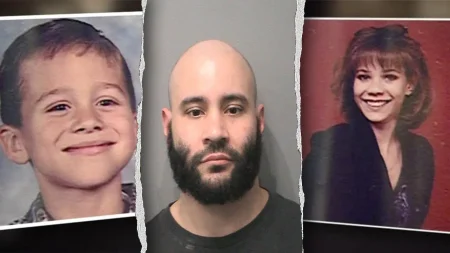
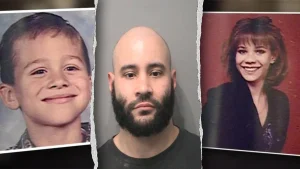
In June, the ICE officer was reportedly dragged approximately 50 yards by a vehicle driven by Roberto Carlos Munoz-Guatemala during an attempted arrest in Bloomington, Minnesota. According to the Department of Homeland Security, Munoz-Guatemala—described as “a serial criminal illegal alien”—refused to exit his vehicle during a traffic stop and attempted to flee while the officer’s arm was still inside the vehicle. The officer required hospitalization and received 33 stitches in his leg as a result. DHS Assistant Secretary Tricia McLaughlin stated that Munoz-Guatemala had been “committing violent crimes in the U.S. for nearly 15 years,” including convictions for sex crimes against a minor, domestic assault, and multiple driving offenses.
This previous incident has become a focal point in discussions about the more recent fatal shooting of Renee Nicole Good by the same officer. Vice President JD Vance specifically referenced the June incident when criticizing media coverage of Good’s shooting, stating: “The way that the media, by and large, has reported this story has been an absolute disgrace. And it puts our law enforcement officers at risk every single day.” Vance suggested the officer might have been “a little bit sensitive about somebody ramming him with an automobile” given his previous traumatic experience, implying this context is essential for understanding his actions during the confrontation with Good.
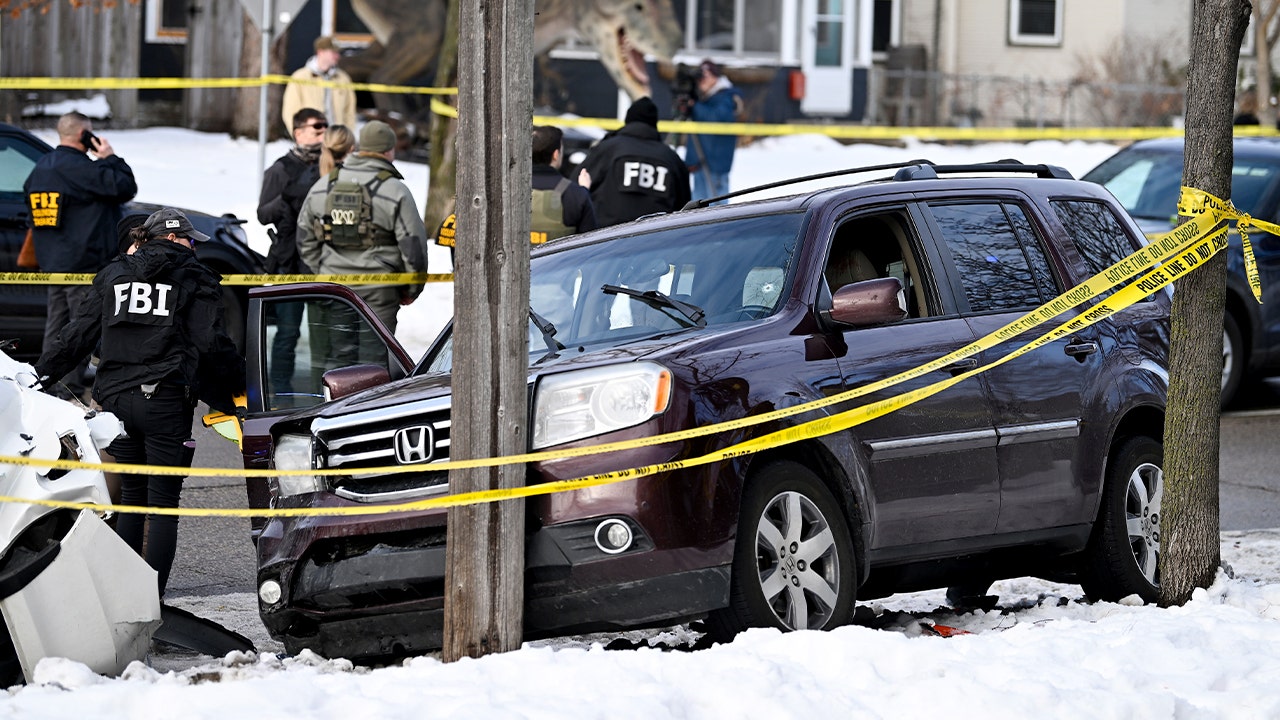
The shooting of Renee Nicole Good has ignited protests in Minneapolis and across the country, with deeply divided responses from local and federal officials. Minneapolis Mayor Jacob Frey has condemned the ICE officer’s actions, while federal officials have defended the shooting as self-defense, with some characterizing Good’s actions as “an act of domestic terrorism.” Recently released cellphone video footage shows the moments leading to the fatal confrontation, depicting Good’s Honda Pilot parked in the middle of a residential street appearing to block traffic. The footage shows the ICE agent checking the license plate before another agent approaches the driver’s side and orders Good to exit the vehicle. Good then backs up the vehicle before moving forward toward the agent wearing the body camera, who is heard saying “whoa” before shots are fired.
This case has become emblematic of broader tensions surrounding immigration enforcement in the United States. Critics of ICE operations point to this incident as evidence of excessive force and questionable tactics, while supporters emphasize the dangers faced by immigration officers and the need for self-protection. The contrasting narratives highlight the polarized perspectives on immigration policy and enforcement, with some focusing on the rights and protection of citizens and residents, while others emphasize the challenges and risks faced by law enforcement personnel tasked with implementing federal immigration policies.
As investigations into Good’s death continue, the case raises important questions about use of force protocols, officer training, community relations, and accountability within federal immigration enforcement. The previous dragging incident involving the same officer adds complexity to the evaluation of his actions during the fatal shooting. Meanwhile, communities across the country remain divided in their response, with ongoing protests demanding justice for Good while others call for greater understanding of the dangers faced by law enforcement. The resolution of this case will likely have significant implications for immigration enforcement practices and community-law enforcement relations moving forward, particularly in communities with large immigrant populations.