


Trump’s Support Emboldens Iranian Protesters Amid Growing Unrest
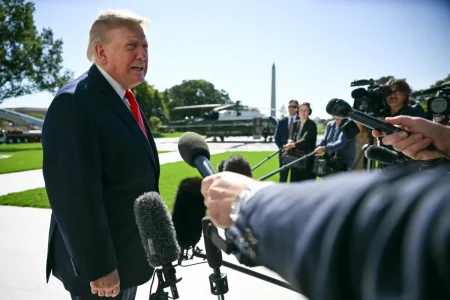
Iran is experiencing its most significant wave of protests since the 2022 demonstrations following Mahsa Amini’s death, with exiled opposition figure Reza Pahlavi claiming President Donald Trump’s warnings to Tehran have strengthened the resolve of demonstrators across the country. What began as economic protests triggered by the collapse of Iran’s currency has evolved into widespread calls for regime change, with many protesters chanting Pahlavi’s name and demanding his return to Iran. In a striking development that highlights the international dimensions of the unrest, Pahlavi told Newsweek that Trump’s threat to hit Iran “very hard” if violence against protesters continues has already altered the regime’s response to demonstrations.
“The warning he has issued to the regime gives my people greater strength and hope—that unlike President Obama and President Biden who sold out the people of Iran, President Trump stands with them,” explained Pahlavi, the 65-year-old son of Iran’s last Shah who was overthrown during the 1979 Islamic Revolution. This support comes at a critical moment as Iran’s Supreme Leader Ali Khamenei has vowed not to back down, while judiciary chief Gholam-Hossein Mohseni-Ejei warned the regime “will show no mercy to the rioters.” The situation has grown increasingly tense with reports indicating at least 48 people have been killed and thousands arrested according to human rights groups. Pahlavi believes the current protests are uniquely positioned to succeed where previous movements failed, noting that “defections from within the system—including refusals to repress—have begun, and the international environment has shifted.”
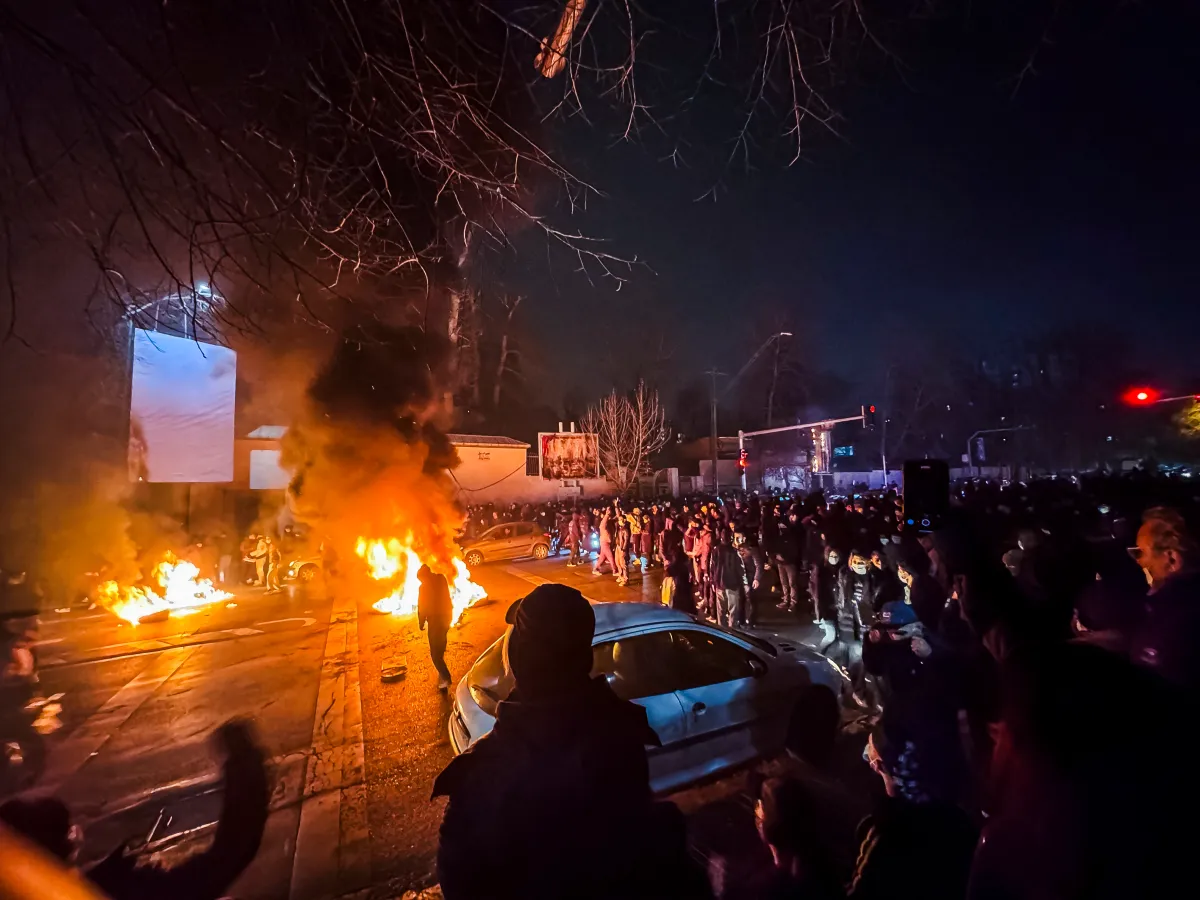
The protests have taken on a distinct character, with demonstrators in cities across Iran setting fires in streets and chanting both anti-regime slogans like “death to Khamenei” and pro-Pahlavi declarations such as “this is the final battle, Pahlavi will return.” These demonstrations follow direct calls from Pahlavi himself, who urged Iranians to take to the streets for multiple nights to occupy city centers. The unrest comes amid a complex backdrop of economic pressures from snapback UN sanctions and the aftermath of Israel’s 12-day war against Iran in 2025. Adding to the challenge for protesters, Iranian authorities have restricted internet access, a tactic previously employed during periods of domestic turmoil.
The international dimensions of these protests have become increasingly visible, with demonstrations of solidarity emerging in cities worldwide. From New York to Toronto and even parts of New Zealand, Iranian expatriates have gathered to support the movement, often with chants invoking Pahlavi’s name. Hamidreza Azizi, an expert at the German Institute for International and Security Affairs, suggests these pro-monarchy sentiments reveal “a deep sense of nostalgia among some segments of society for the pre-1979, pre-revolutionary era.” However, he cautions that while many Iranians may hold positive views of the pre-revolutionary period when comparing it to the current Islamic Republic, it remains unclear whether monarchism will ultimately become the unifying vision for the opposition movement going forward.
Pahlavi himself has articulated a vision that emphasizes democratic transition rather than simply restoring the monarchy. He told Newsweek that he has “stepped forward to lead the transition to democracy” and sees his role as bringing together diverse groups—”monarchists and republicans, secular and religious, activists and professionals, civilians and members of the armed forces.” Central to his message is the assertion that Iran’s future governance should be determined by Iranians themselves through “a free constitutional process and genuinely free elections.” Pahlavi insists he will remain “entirely impartial in that process,” allowing Iranians to freely choose their system of governance whether that be a constitutional monarchy or a republic.
The opposition leader has aligned himself with the Iran Prosperity Project, which was unveiled in Washington, D.C. in April 2025 and provides a roadmap for economic recovery and Iran’s reintegration into the global community. This plan envisions a phased approach beginning with maintaining essential services and basic governance, followed by a constitutional process and national elections. Pahlavi characterizes the current moment as historic, stating that “for the first time in 46 years, the demand is clear, vivid, and nationwide—an end to this criminal regime.” As the situation continues to develop, the interplay between domestic protests, international pressure exemplified by Trump’s warnings, and the emerging opposition leadership of figures like Pahlavi may determine whether this wave of unrest ultimately succeeds in bringing about the fundamental change many demonstrators are demanding.