


Meta Partners with TerraPower in Historic Nuclear Energy Deal
In a significant move toward sustainable energy solutions for tech giants, Meta announced a groundbreaking partnership with TerraPower, the Bill Gates-backed next-generation nuclear company, on January 9, 2026. The deal outlines plans to build up to eight small modular reactors across the United States, with the first facilities potentially coming online as early as 2032. This ambitious project will provide Meta with up to 2.8 gigawatts of clean energy using TerraPower’s innovative Natrium nuclear technology, with built-in energy storage systems that can temporarily boost the total output to 4 gigawatts during peak demand. The agreement represents Meta’s largest single nuclear deal to date and signals a growing trend among tech companies seeking reliable, carbon-free power sources to support their expanding AI operations and data centers.
TerraPower’s selection as a partner came after Meta’s competitive request for proposal process, with company executives highlighting the vote of confidence in their technology. “To successfully address growing energy demand, we must deploy gigawatts of advanced nuclear energy in the 2030s,” said Chris Levesque, TerraPower’s president and CEO. “This agreement with Meta is designed to support the rapid deployment of our Natrium technology that provides the reliable, flexible, and carbon-free power our country needs.” Andrew Richards, TerraPower’s vice president of government affairs, noted the significance of being chosen “out of all other advanced reactor developers,” adding that the companies are currently evaluating locations across the country for the first dual-reactor facility. If construction proceeds according to plan for all eight reactors, the entire network should be operational by 2035, creating a substantial clean energy footprint.
Meta’s nuclear strategy extends beyond the TerraPower deal, encompassing partnerships with several other nuclear energy providers. The company has agreements with Vistra to extend and enhance the production capacity of existing nuclear plants in Ohio and Pennsylvania, securing more than 2.1 gigawatts of electricity. Additionally, Meta has partnered with Oklo, a Sam Altman-backed developer of small modular reactors, for a project in Pike County, Ohio, expected to contribute up to 1.2 gigawatts to the grid starting around 2030. These arrangements follow a June agreement with Constellation supporting the relicensing and continued operation of its nuclear plant in Illinois. Joel Kaplan, Meta’s chief global affairs officer, emphasized the historic scale of these commitments, stating that they collectively make “Meta one of the most significant corporate purchasers of nuclear energy in American history.”
As tech companies race to build power-hungry data centers for AI services, they’ve faced mounting scrutiny regarding their impact on utility rates and environmental resources. Three Democratic senators recently launched an investigation into how major tech firms, including Meta, might be affecting residential power bills. Addressing these concerns, Meta emphasized its responsible approach to energy procurement: “We pay the full costs for energy used by our data centers so consumers don’t bear these expenses, and we support the broader grid through our energy agreements.” The company also noted its practice of planning energy needs years in advance of building new data centers to ensure minimal disruption to existing power infrastructure. Meta is not alone in pursuing nuclear solutions—Amazon is working with X-energy on a facility in Richland, Washington, while Microsoft signed a 20-year deal to restart a reactor at Pennsylvania’s Three Mile Island.
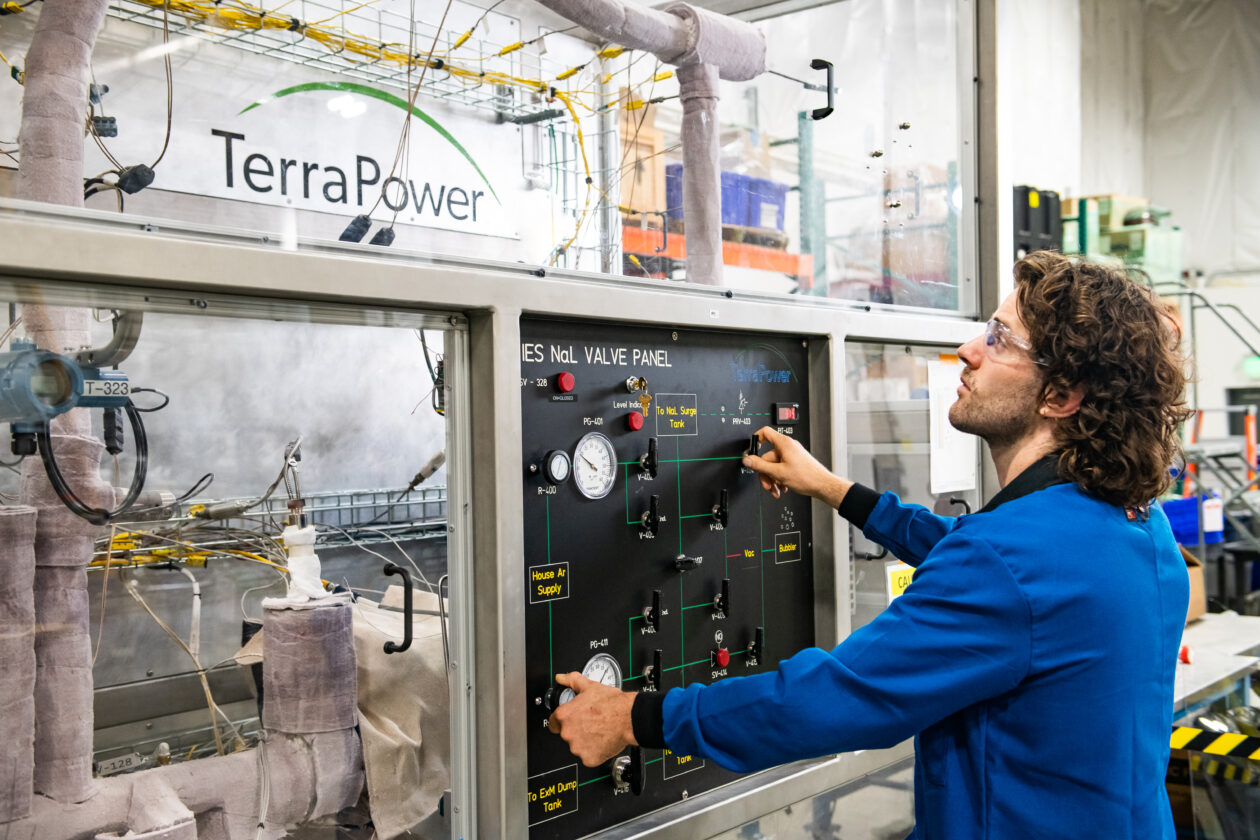
TerraPower, headquartered in Bellevue, Washington, has been steadily advancing its nuclear technology since its founding in 2006. The company is currently constructing its first commercial reactor in Kemmerer, Wyoming, near a retiring coal plant, with plans to begin operations by 2030. In December, TerraPower achieved a critical regulatory milestone when it received a positive final safety evaluation from the Nuclear Regulatory Commission staff for its permit. While additional regulatory approvals remain necessary, the company is positioning itself to potentially become the first to deploy a utility-scale, next-generation reactor in the United States. TerraPower’s Natrium reactor builds upon technology previously demonstrated in an experimental breeder reactor that operated in Idaho for nearly three decades, combining innovations from TerraPower and GE Vernova Hitachi Nuclear Energy.
Financial backing for TerraPower has been substantial and diverse. In June, the company disclosed $650 million in new funding from Bill Gates and NVIDIA’s venture arm, adding to over $1 billion previously raised from investors including Gates, South Korea-based SK Inc., and SK Innovation. The U.S. Department of Energy has also awarded TerraPower approximately $2 billion in government support. This robust financial foundation, coupled with the new Meta partnership, strengthens TerraPower’s position as a leading developer of advanced nuclear technologies. As technology companies continue their digital expansion while simultaneously pursuing ambitious climate goals, partnerships like this Meta-TerraPower collaboration represent a significant evolution in how corporations approach their energy needs—balancing the growing demand for electricity with commitments to reduce carbon emissions through next-generation nuclear power.