


Congressional Spending and Power Struggles in American Politics: The ICE Controversy
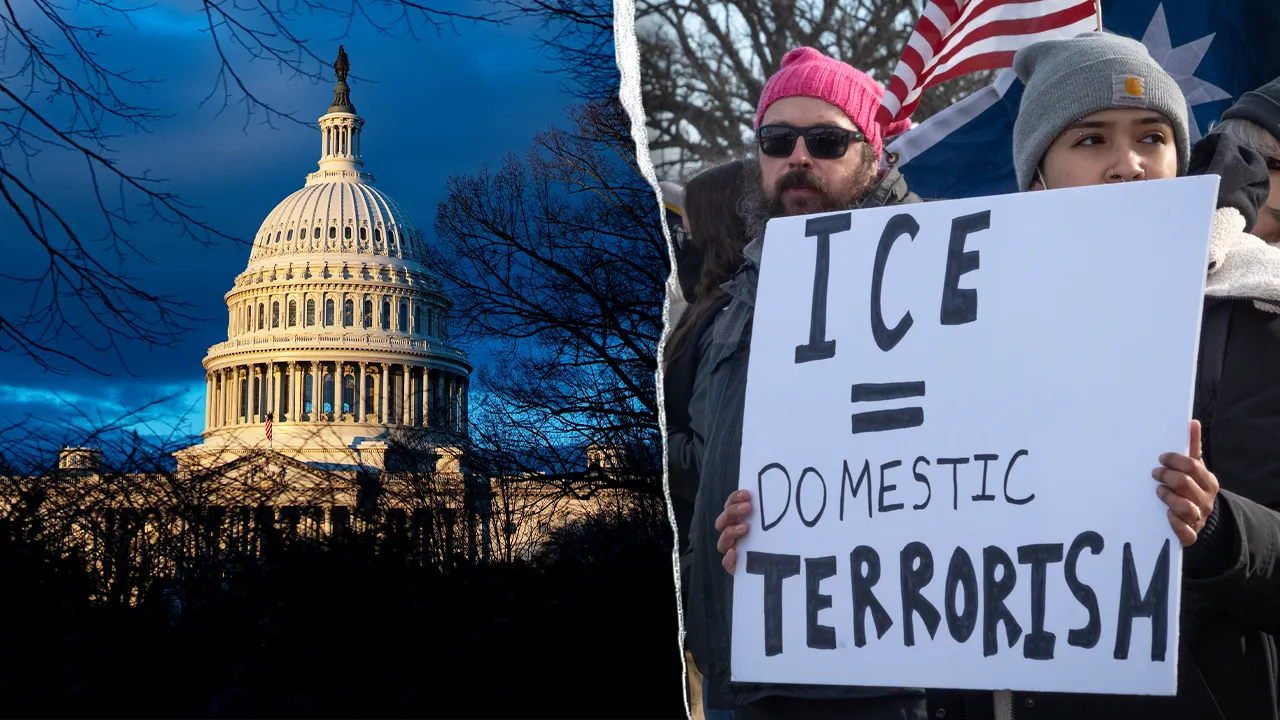
In the intense political landscape of Washington, conflicts over federal spending and governmental authority often reveal deeper ideological divisions. Recent events have thrust these tensions into the spotlight, particularly regarding Immigration and Customs Enforcement (ICE) operations after the shooting death of Renee Nicole Good in Minneapolis by an ICE agent—a tragedy that has become a focal point for progressives seeking institutional change.
The Constitution is clear on Congress’s power over federal spending: “No Money shall be drawn from the Treasury, but in Consequence of Appropriations made by Law.” This fundamental authority has become the battleground where progressive Democrats are contemplating extraordinary measures to reign in what they view as ICE’s unchecked power. Representative Jasmine Crockett of Texas emotionally articulated the stakes: “A child has lost her mom. And y’all want to pretend that it is OK… I am asking if there is anyone that will stand for the very people that elected us and sent us to Congress?” While some Democrats like Representative Bennie Thompson have taken moderate positions, suggesting oversight hearings as “a reasonable request,” others like Representative Jamie Raskin advocate using “every means at our disposal… including the appropriations process” to effect meaningful change within the agency. The spectrum of Democratic responses—from procedural accountability to potentially defunding—reflects the party’s internal struggle over how to address community concerns without appearing extreme.
The current funding situation adds urgency to this political calculation. With nine federal departments—including Homeland Security—facing a January 30, 2026, funding deadline, progressive legislators see a strategic opportunity to use this timeline as leverage. The House has already approved a “minibus” spending package for several departments, but Homeland Security funding remains unresolved. The conventional approach would involve passing a continuing resolution to maintain current funding levels and avoid a shutdown. However, some progressives are considering more drastic action, viewing the funding deadline as a chance to force policy changes regarding ICE operations. This strategy echoes previous political battles where spending authority became a proxy for policy disputes.
Republican leadership has expressed firm opposition to any potential government shutdown over ICE funding. Speaker Mike Johnson dismissed the idea as “terrible,” while Senator Eric Schmitt characterized potential shutdown threats as “weapons-grade stupid.” The Republican position reflects both practical governance concerns and political calculation—they recognize that Democrats might be vulnerable to criticism if they appear to prioritize immigration enforcement reforms over keeping the government functioning. The memory of last fall’s 43-day shutdown still looms large in the Capitol, with neither party eager to shoulder blame for another disruption to government services. Yet the emotional weight of the Minneapolis shooting creates pressure that might override typical political caution.
Democratic leadership finds itself in a precarious balancing act. House Minority Leader Hakeem Jeffries and Senate Minority Leader Chuck Schumer have notably avoided direct confrontation on the ICE issue when pressed by reporters, pivoting instead to other legislative priorities like extending Affordable Care Act tax credits. Their reluctance to embrace the more aggressive stance of progressive colleagues suggests strategic concerns about midterm election positioning. Sources indicate Democratic leaders have “no appetite” for another government shutdown that could disrupt their midterm strategy, and they’re actively working to “quash talk about defunding ICE” to maintain the fragile truce over government funding. This tension between leadership pragmatism and progressive demands illustrates the complex calculations that shape congressional decision-making.
Even Representative Alexandria Ocasio-Cortez, a prominent progressive voice with long-standing criticism of ICE, acknowledges the political realities facing party leadership, noting they’re “responsible for leading an entire caucus that elects members from across the country.” Yet she maintains that ICE funding “exploded virtually overnight, and we are seeing the ramifications of it in terms of the abuse of power,” suggesting Democrats should pursue ICE reforms when politically feasible. The Minneapolis shooting presents Democrats with a profound dilemma reminiscent of last winter when the base accused leadership of not “fighting” hard enough on key issues. The current moment echoes the tensions that preceded last autumn’s government shutdown, with Democratic leadership again weighing whether accommodating progressive demands or maintaining governmental stability better serves their long-term political interests. As one observer noted, “We’ll know soon if Jeffries and Schumer picked the ‘right’ fight or if the Democratic base will demand a ‘new’ fight.”