


Iran Protests: A Nation at a Crossroads Amid Economic Crisis and Government Crackdown
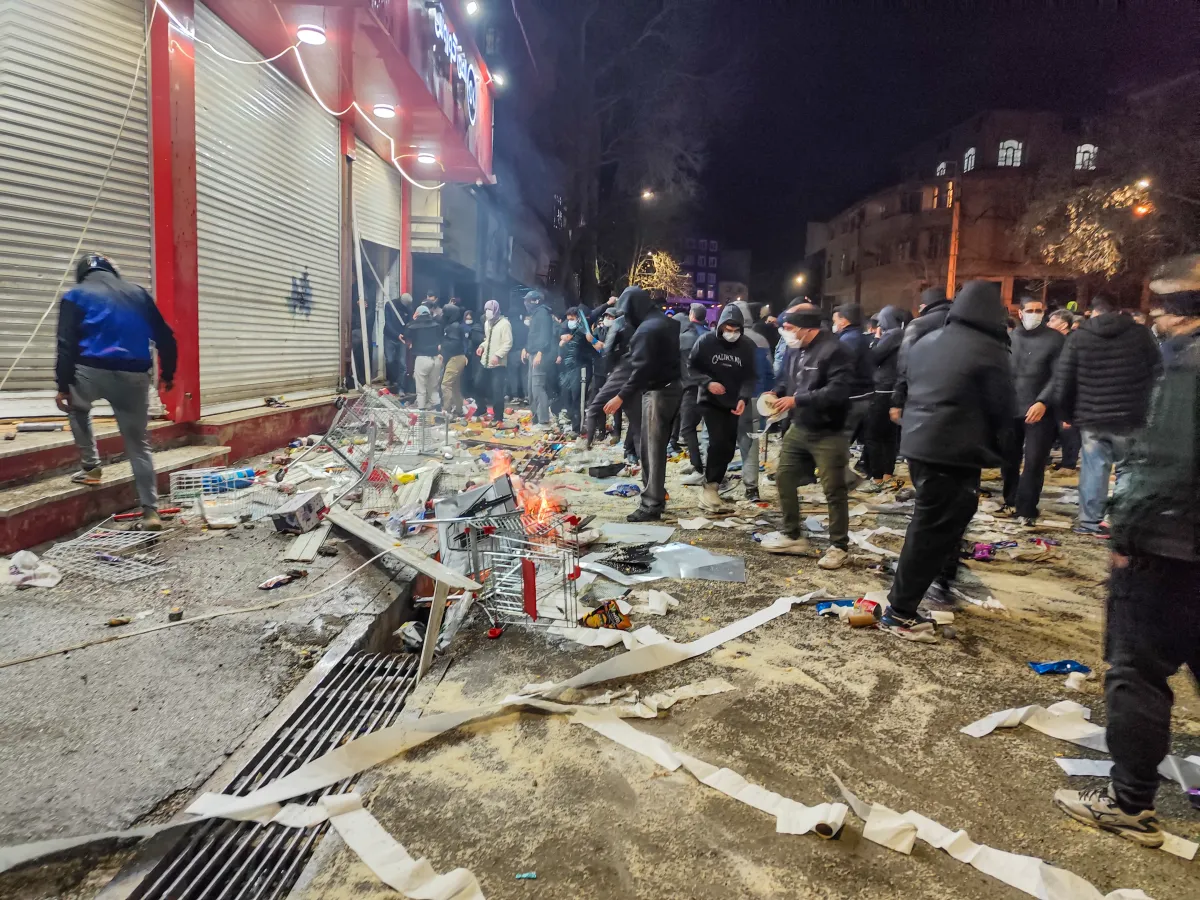
Iran is experiencing its most significant wave of protests in recent years, sparked initially by economic grievances but rapidly evolving into broader anti-government demonstrations. The unrest began on December 28 as citizens took to the streets to express frustration over the collapse of Iran’s currency, the rial, and soaring inflation rates that have devastated ordinary Iranians’ livelihoods. What started as economic protests has transformed into the most serious challenge to the clerical regime’s authority in years. As demonstrations spread across Tehran and other cities, videos on social media have captured protesters lighting bonfires and chanting against the government, creating scenes reminiscent of previous periods of civil unrest in the Islamic Republic. The government’s response has escalated from initial restraint and acknowledgment of economic problems to a severe crackdown, including a nationwide internet and telecommunications blackout that has raised international concerns about potential violence against demonstrators hidden from the world’s view.
The Iranian authorities have consistently blamed external forces for the unrest, with state media claiming that “terrorist agents” of the United States and Israel are orchestrating the demonstrations. Supreme Leader Ayatollah Ali Khamenei has directly confronted these allegations by claiming that protesters are “ruining their own streets… to please the president of the United States” and that Trump’s hands are “stained with the blood of Iranians.” Government-controlled media has amplified this narrative by broadcasting images of regime supporters chanting “death to America!” – a familiar refrain since the 1979 Islamic Revolution that established the current system. However, this longstanding strategy of blaming foreign interference appears to be losing effectiveness as the protests gain momentum and diversify. Hamidreza Azizi, an Iran analyst from the German Institute for International and Security Affairs, told Newsweek that the widespread nature of the demonstrations, involving “people from all walks of life and political views,” makes it “quite difficult for the government to sustain its narrative of foreign intervention.”
The timing of these protests adds another layer of complexity to an already volatile situation. They are unfolding just months after Israel conducted a 12-day military campaign against Iran, and amid heightened tensions that suggest another confrontation between the two adversaries might be imminent. This regional instability, combined with domestic unrest, creates what Azizi describes as “a real concern in Tehran that domestic unrest could facilitate a foreign attack.” Adding to this anxiety is the rhetoric coming from Washington, where President Donald Trump has issued explicit warnings of intervention should the Iranian regime resort to violence against protesters. In a Fox News interview, Trump stated that if Iranian authorities “started shooting the hell out of [protesters]… we’re going to hit them very hard.” This open support for demonstrators has been met with defiance from Iran’s leadership, with Khamenei suggesting the protesters are merely trying to curry favor with the American president.
The Iranian judiciary has taken a hardline stance against the demonstrations, with Chief Justice Gholamhossein Mohseni-Ejei promising that punishment against protesters “will be decisive, maximum and without any legal leniency.” This approach marks a departure from the initial government response, which had shown some willingness to accept responsibility for economic problems and engage in dialogue. Videos circulating despite the internet shutdown have shown escalating force being used against demonstrators, prompting international concern about human rights abuses. The government’s decision to completely cut off internet access and block incoming international calls appears to be a return to tactics used during previous protests, aimed at preventing coordination among protesters and limiting international visibility of the crackdown. Azizi suggests this approach reflects both the scale of the protests and the government’s difficulty in maintaining its narrative of foreign instigation when confronted with such widespread domestic discontent.
Among the notable aspects of the current protests is the emergence of calls for the return of Reza Pahlavi, the exiled opposition leader and son of Iran’s last Shah. This monarchist sentiment, expressed in some of the demonstrators’ chants, represents one strand of the diverse grievances being voiced. Pahlavi himself has appealed to European leaders to join Trump in holding the Iranian regime accountable for its actions against protesters. The demonstrations have also occurred against the backdrop of increased international isolation for Iran, as decades of economic sanctions have severely impacted the country’s economy and the well-being of ordinary citizens. While the government has struggled to manage these economic challenges, the protests suggest that a significant portion of the population no longer accepts the regime’s explanations or promises of improvement.
As the protests continue, their full scope remains unclear due to the communications blackout imposed by authorities. What is evident, however, is that this movement represents a critical juncture for Iran’s future. The demonstrators’ persistence despite the threat of harsh reprisals indicates deep-seated frustrations that extend beyond temporary economic hardship. Meanwhile, the international community watches closely, with various powers weighing how to respond to the unfolding situation. President Trump’s suggestion that Khamenei might be considering leaving Iran (though unconfirmed independently) hints at the level of speculation surrounding the regime’s stability. Whether these protests will ultimately lead to fundamental changes in Iran’s political landscape or be suppressed like previous movements remains to be seen, but they have undoubtedly exposed the fragility of the social contract between the Islamic Republic and its citizens. As scheduled demonstrations continue in the coming days, both the Iranian government and the world await to see how this latest chapter in Iran’s complex history will unfold.