



A New Era in American Dietary Guidelines: Revolution or Regression?
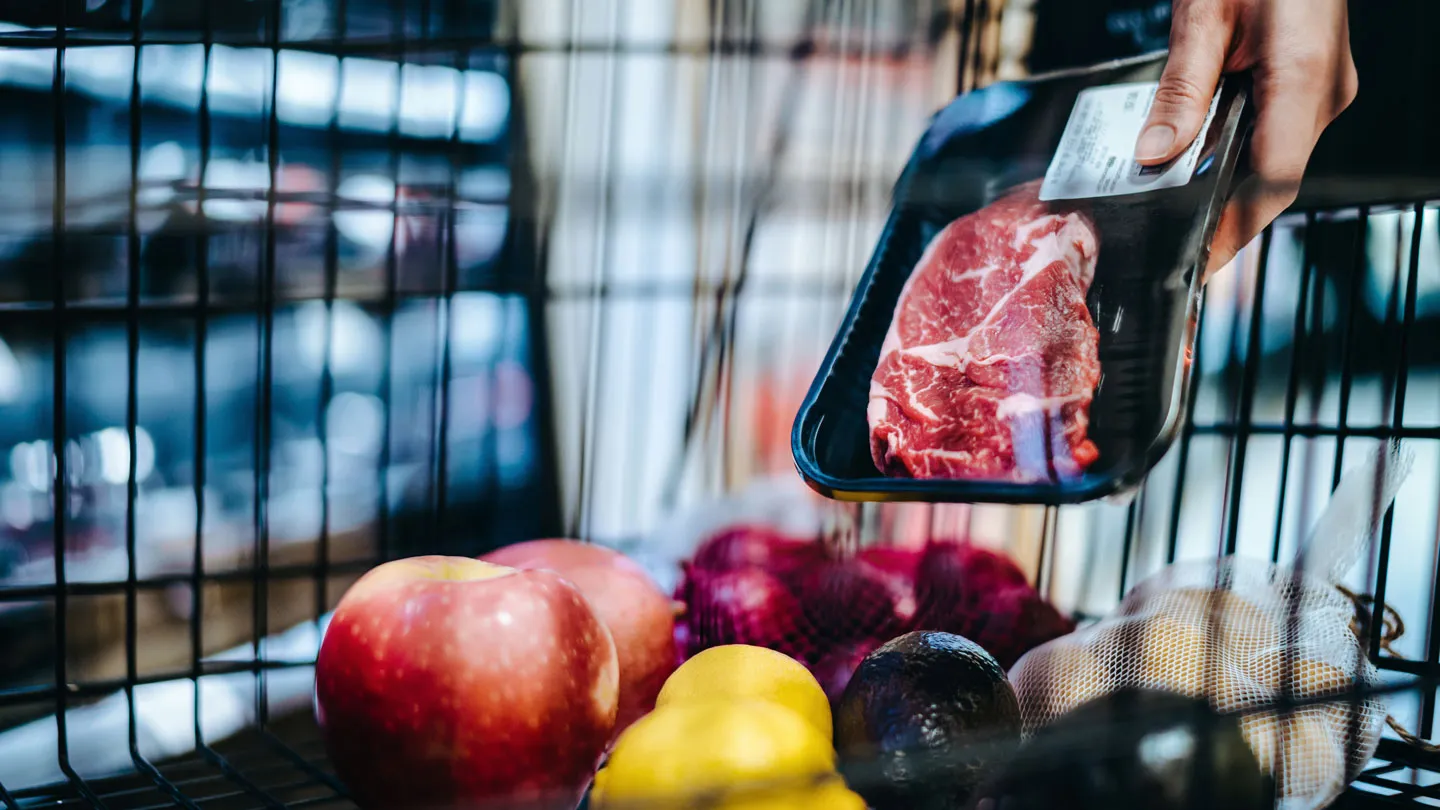
The American dietary landscape has undergone a dramatic shift with the recent unveiling of new dietary guidelines by the Department of Health and Human Services and the Department of Agriculture. Released on January 7, these guidelines have essentially flipped the traditional food pyramid upside down, placing meat, full-fat dairy, olive oil, and vegetables at the broad top of an inverted triangle, while relegating grains and fruits to the bottom. This radical departure from decades of established nutrition advice has sparked both praise and criticism from nutrition experts, leaving many Americans wondering what to put on their plates.
Despite fears that HHS Secretary Robert F. Kennedy Jr. would raise the cap on recommended saturated fats, the guidelines maintain the previous recommendation that no more than 10 percent of calories should come from saturated fats. However, the new focus has shifted dramatically, with ultraprocessed foods and refined grains now bearing the brunt of blame for chronic diseases like heart disease, obesity, and type 2 diabetes. Perhaps most surprisingly, for the first time since the guidelines debuted in 1980, they no longer set daily limits for alcohol consumption, despite its established links to various cancers. Unlike previous iterations which spanned hundreds of technical pages, the new guidelines have been distilled into just six pages, yet their impact remains far-reaching—these recommendations will govern meals served in schools and to military personnel, while influencing what foods are covered by federal assistance programs.
According to Marion Nestle, professor emerita of nutrition, food studies, and public health at New York University, these new guidelines represent a radical departure from four decades of nutrition advice. “They’re muddled, they’re inconsistent, they’re contradictory, they’re ideological, and they’re very retro,” Nestle observes. She does praise one aspect of the guidelines—the recommendation to “eat real food”—calling it revolutionary despite its seemingly obvious advice. However, she expresses concern about the guidelines’ prominent emphasis on protein, particularly from meat and full-fat dairy sources, which she argues “flies in the face of years and years of evidence.” Nestle points out what she sees as a clear industry bias, describing the guidelines as “a very clear win for the meat, the dairy, and the alcohol industries and a loss for ultraprocessed foods,” though she supports the latter shift. She also questions the practical implementation of these guidelines, particularly in settings like school meals, where higher-quality, less processed foods typically come with higher costs.
Despite her criticisms, Nestle acknowledges several strengths in the new guidelines, particularly the recommendation to reduce consumption of ultraprocessed foods. “I think people would be much better off eating less of ultraprocessed foods and much better off eating whole foods. I’m all for that,” she states. However, she expresses serious concerns about the environmental implications of increasing meat and dairy production, noting that “beef is the single most climate change-producing food that we have, and dairy cattle aren’t a whole lot better.” Nestle also highlights contradictions within the guidelines themselves, pointing out the difficulty of simultaneously increasing meat and dairy consumption while keeping saturated fat intake below 10 percent of calories, since these foods are major sources of saturated fat. Additionally, she notes that the recommended servings of fruits and vegetables have been reduced to about half of what previous guidelines suggested.
Regarding the guidelines’ emphasis on protein consumption, Nestle finds little scientific justification. “The idea of encouraging people to eat more protein makes no sense at all, because people are already eating twice as much protein as they need,” she explains. She challenges the prioritization of animal proteins over plant proteins, referencing Frances Moore Lappé’s seminal work from the 1970s, which demonstrated that combining different plant foods easily satisfies human amino acid requirements. The guidelines’ classification of “healthy fats” has also shifted dramatically, now including butter and beef tallow alongside olive oil—a departure from decades of nutrition advice cautioning against saturated animal fats. Meanwhile, whole grain recommendations have been downgraded, creating what Nestle describes as a confusing message in the inverted pyramid graphic, where foods at the bottom appear to be discouraged.
When assessing whether these new recommendations align with current nutrition science, Nestle finds mixed evidence. She strongly supports the move away from ultraprocessed foods, citing recent research confirming that such foods lead to higher calorie intake. However, she questions the scientific basis for promoting increased meat and dairy consumption, especially given environmental sustainability concerns. “From a climate change sustainability standpoint, absolutely not,” she states regarding the evidence for eating more animal products. While acknowledging ongoing debates about saturated fat and health, Nestle raises practical concerns about the caloric implications of the new recommendations, suggesting that increased meat and dairy consumption could lead to higher overall calorie intake unless these foods prove exceptionally satiating—a claim she notes lacks research support. As Americans digest these new guidelines, they face the challenge of reconciling this dramatic shift in official nutrition advice with their own health goals and environmental concerns.