

Maduro and Flores: The Fall of Venezuela’s Power Couple
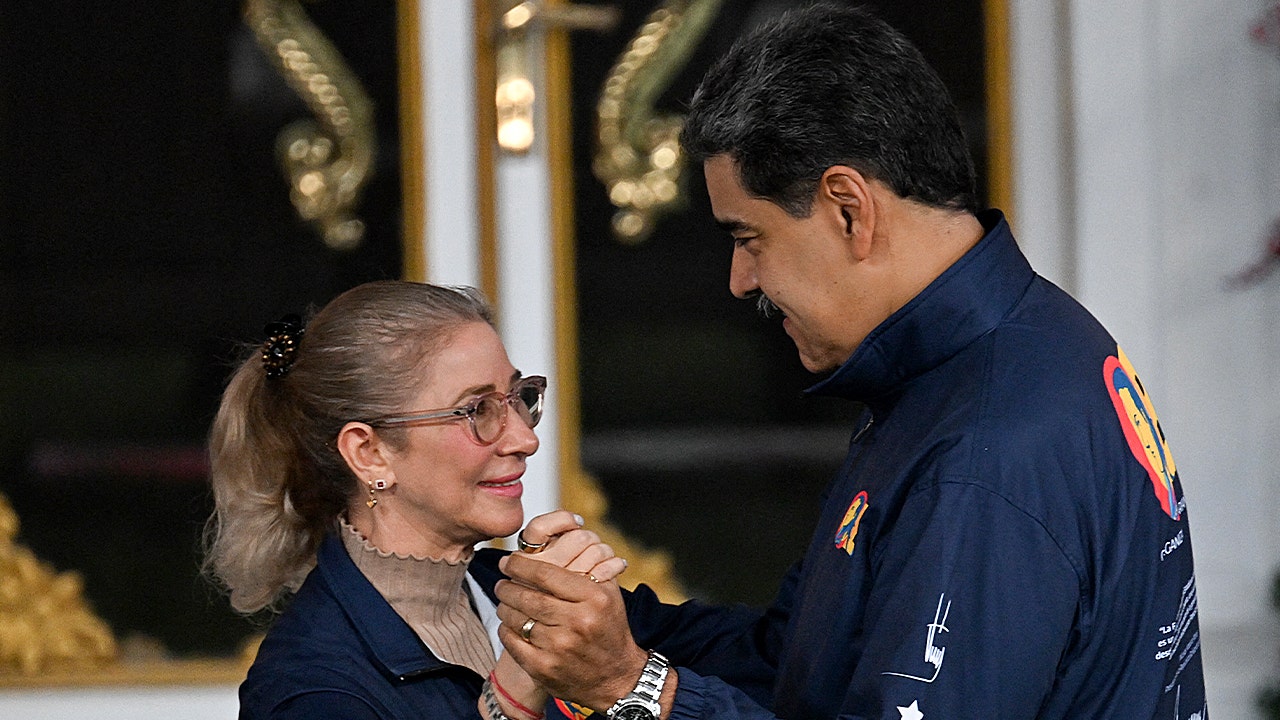
In a stunning development that has shocked the international community, Venezuelan President Nicolás Maduro and his wife, Cilia Flores, were arrested in a nighttime operation in Caracas on January 3 and transferred to U.S. custody. The married couple of 13 years now faces serious criminal charges ahead of their January 5 arraignment, representing what national security expert Roxanna Vigil describes as a “worst-case scenario” for the political pair. Maduro, 63, has been charged with narco-terrorism conspiracy, cocaine importation conspiracy, and weapons charges related to machine guns and destructive devices. Meanwhile, Flores, 69, faces similar charges excluding the narco-terrorism count. Their joint detention marks an unprecedented moment in Venezuelan politics, effectively removing both the president and one of his most influential advisors simultaneously.
The couple’s political journey began long before their 2013 marriage. Flores first gained prominence in 1994 as the lawyer who defended Hugo Chávez following his failed coup attempt in 1992. After Chávez’s election, she built an impressive political career, serving in the National Assembly beginning in 2000, later becoming its president (succeeding Maduro in that role), and eventually serving as Venezuela’s attorney general from 2012 to 2013. According to Vigil, “Cilia is very politically savvy and has been one of the key insiders in constructing and carrying forward Chávez’s revolutionary project.” Her early association with Chávez earned her status as “one of the original Chavistas,” having been part of his inner circle in the early 1990s before his presidency. This deep connection to the movement that reshaped Venezuela’s political landscape gave Flores significant influence, even as she operated more behind the scenes during Maduro’s presidency than during the Chávez years.
Their relationship intertwined both personal and political ambitions. Maduro and Flores met while both were working closely with Chávez, with Maduro once describing his future wife as having a “fiery character.” Despite meeting in the 1990s, they didn’t marry until nearly two decades later, after Maduro succeeded Chávez as president in 2013. Critics reportedly dubbed Flores “Lady Macbeth,” suggesting her behind-the-scenes influence on her husband’s leadership. Vigil explains that Flores wasn’t necessarily seeking official power for herself: “My sense is that Cilia was not vying to be president or vying to hold some sort of official role, she already had significant influence… At some level, I think she believed that Maduro was best positioned to continue Hugo Chávez’s revolutionary project, and that continuing this project was important to her.” Their union represented not just a marriage but a political alliance dedicated to maintaining Chávez’s vision for Venezuela.
Flores’ influence extended into controversial political maneuvers during Maduro’s presidency. When the opposition won a supermajority in the National Assembly in 2015, Maduro moved to undermine this democratically elected body by creating a parallel institution that assumed the legislature’s powers. Flores played a key role in this effort to neutralize opposition gains, leading to her being sanctioned by the U.S. government in 2018. Beyond political maneuvering, her family connections have drawn scrutiny as well. “Her family members have been implicated in different criminal activity, including U.S. crimes, and this includes two of her nephews,” noted Vigil. These controversies highlight how the couple’s influence extended beyond formal governmental structures, creating a network of power that helped sustain Maduro’s increasingly isolated regime even as Venezuela descended into economic crisis.
The capture of both Maduro and Flores represents a significant escalation in U.S. policy toward Venezuela. President Donald Trump addressed Maduro’s capture this week, warning of serious consequences and signaling that the U.S. would “temporarily govern Venezuela until such time as we can do a safe, proper and judicious transition.” However, Vigil points out that Trump did not specifically mention plans for Flores in his public statements, creating uncertainty about her future. “President Trump didn’t mention anything about her yesterday, so it’s not clear what the plan is for Cilia,” Vigil observed. She also noted that while Maduro was indicted in 2020, Flores was not included in those original charges, raising questions about the timing and motivation behind her current detention alongside her husband. This differential treatment suggests potential strategic considerations in how the U.S. approaches the two figures.
American officials have emphasized the seriousness of the charges against both Maduro and Flores. Secretary Marco Rubio encouraged the public to read the unsealed indictments, stating, “People should read this indictment. They should read what this man did for 15 – the last 15 years of his life against the United States – him and his wife.” Similarly, Attorney General Pam Bondi declared on social media that the couple will “soon face the full wrath of American justice on American soil in American courts,” describing them as “two alleged international narco traffickers.” These statements frame the arrests not merely as a political maneuver but as a law enforcement action against individuals accused of serious crimes affecting U.S. national security. As Venezuela faces this unprecedented leadership vacuum and the international community watches closely, the fate of this powerful couple—bound together by marriage, politics, and now criminal charges—will likely shape Venezuela’s future and its relationship with the United States for years to come.