



Teachers Are Human Too: Defending the Educator Behind a Homework Typo
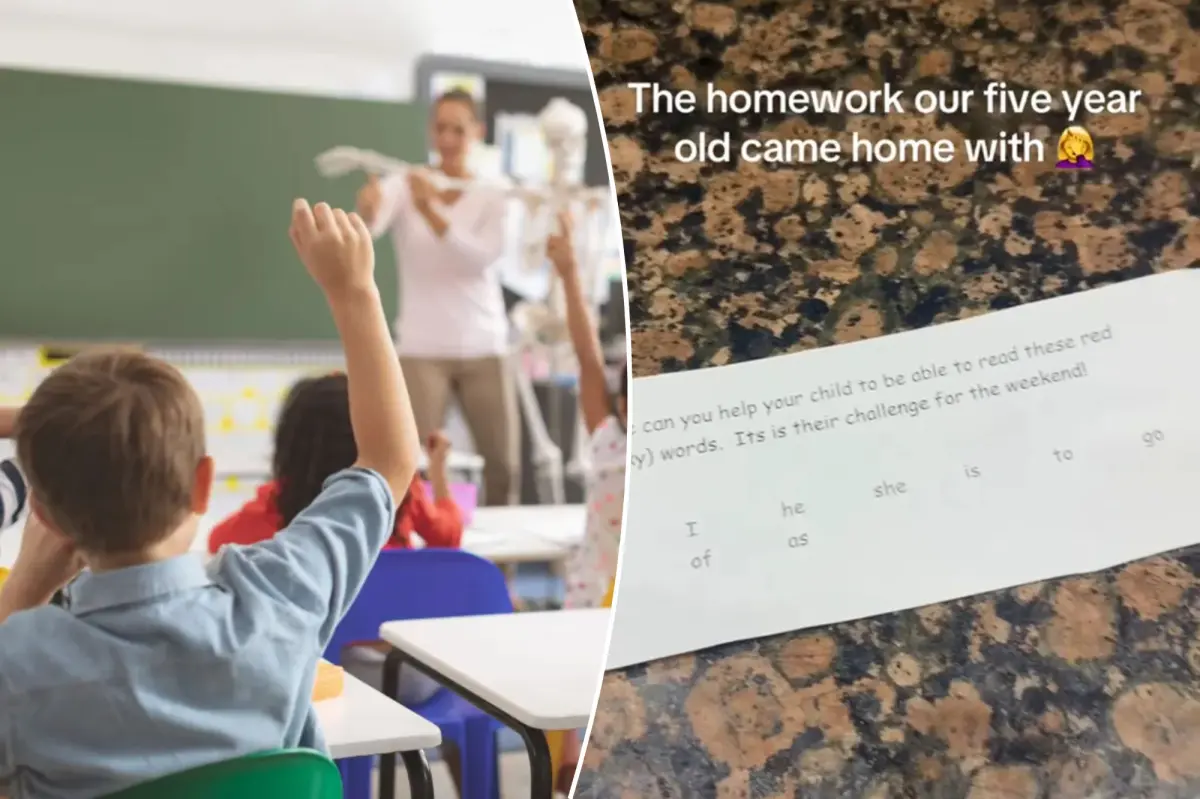
In a world where social media has made it easier than ever to share and critique everyday experiences, a simple typo on a child’s homework assignment sparked an unexpectedly passionate conversation about teacher burnout and empathy. When a mother shared a photo of her five-year-old’s homework containing a minor grammatical error, she likely didn’t anticipate the wave of support that would come—not for her observation, but for the teacher who made the mistake. The assignment, which asked parents to “help your child to be able to read these red (tricky) words,” contained a misused “its” instead of “it’s” in the instructions. While the error was obvious to anyone with basic grammar knowledge, the response to the mother’s TikTok post revealed a deeper understanding of the challenges educators face daily.
Commenters quickly rallied to defend the unnamed teacher, offering perspective on what might have contributed to such a simple oversight. “Teachers make mistakes too. Unless you are in education, you’ll never understand how many different things are being juggled,” wrote one person, adding that the teacher had likely already noticed the error and was “kicking themselves for not double checking.” Others questioned the mother’s decision to highlight such a minor slip, asking rhetorically if teachers aren’t allowed to make typographical errors like anyone else. The consensus among commenters seemed to be that one extra letter hardly warranted public scrutiny, especially considering the demanding nature of teaching young children.
The conversation soon evolved beyond defending a simple typo to addressing the larger issue of teacher burnout in today’s educational landscape. One educator candidly shared their personal experience, writing: “I’m a teacher with a masters in Creative writing and literature and I make many mistakes typing up homework on Friday afternoons as I’m absolutely exhausted. It’s 5:45, I want to get home to my own kids and I have a humongous to-do list I’m bringing home with me…” This comment resonated with many, highlighting the reality that teachers often work well beyond school hours, juggling professional responsibilities with personal lives. Another commenter emphasized the hectic nature of a teacher’s day, pointing out that they’re frequently “rushing, doing 15 jobs at once,” especially during busy periods of the academic year.
The discussion around this minor grammatical error opened the door to broader concerns about the teaching profession, including the significant issue of compensation. As teachers face increasing demands and responsibilities, many find themselves working longer hours for salaries that haven’t kept pace with inflation or rising living costs. A Florida middle school teacher named Kristen recently shared her frustration about this very issue on social media, comparing her financial situation in 2016 to her current circumstances. Despite having a master’s degree and years of experience, her salary has only increased from $40,000 to $54,000 during a period when her home’s value has more than doubled from $160,000 to approximately $350,000-$360,000. Her pointed question—”How are people buying homes at these prices?”—reflects the growing economic challenges faced by educators across the country.
What began as a mother pointing out a simple typo transformed into a meaningful dialogue about respect, empathy, and understanding for the human beings who educate our children. The overwhelming support for the teacher suggests a growing awareness that educators deserve grace for minor mistakes, especially considering the multiple roles they play and the pressures they face daily. From creating lesson plans and grading assignments to managing classroom behavior and communicating with parents, teachers constantly balance competing priorities while striving to provide quality education. A single misplaced letter in a homework instruction pales in comparison to these challenges and certainly doesn’t diminish a teacher’s competence or dedication to their students.
This incident serves as a reminder that in our rush to point out mistakes, we sometimes forget to consider the context and humanity behind them. Teachers, like all professionals, occasionally make errors—especially when overworked, underpaid, and stretched thin across numerous responsibilities. Rather than highlighting these minor slips, perhaps we would be better served by advocating for better working conditions, reasonable workloads, and fair compensation for the individuals who play such a crucial role in shaping future generations. After all, if we expect perfection from those who teach our children, we should also be willing to provide the support, resources, and recognition necessary for them to meet those high standards. In the meantime, a little grace and understanding for the occasional typo seems like the least we can offer to those dedicated to educating our youth.