


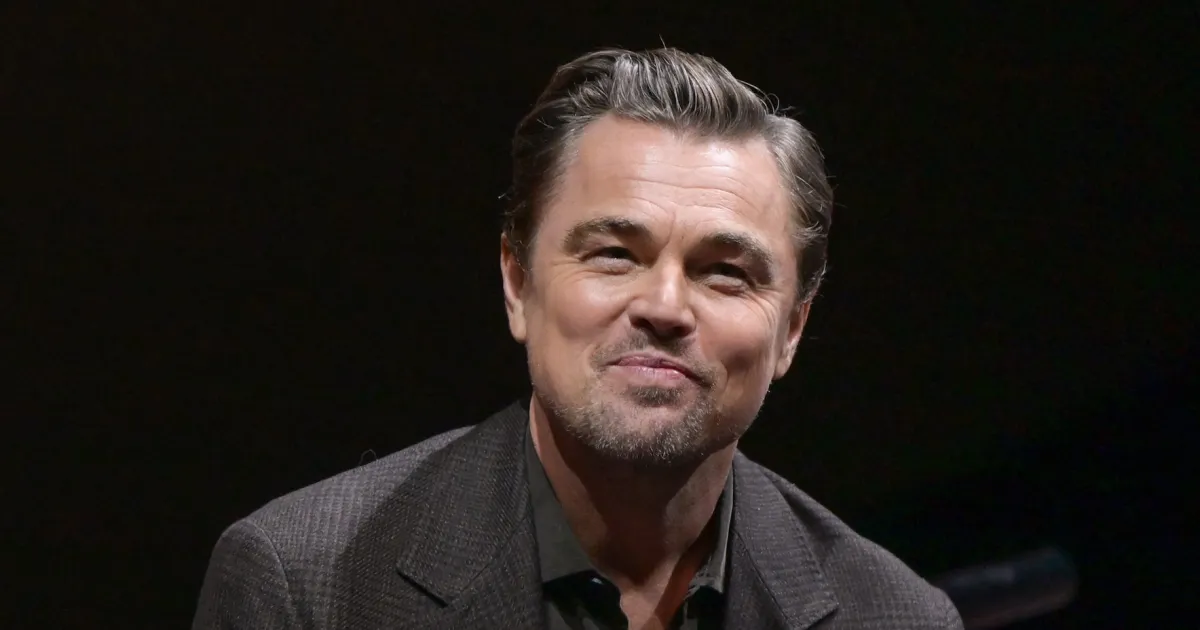
Leonardo DiCaprio Misses Palm Springs Award Due to Venezuelan Crisis
Leonardo DiCaprio, the 51-year-old acclaimed actor, was notably absent from the Palm Springs International Film Festival Awards Gala on Saturday, January 3, where he was set to receive the prestigious Desert Palm Achievement Award for his performance in “One Battle After Another.” The unexpected disruption stemmed not from Hollywood drama but from international geopolitical events. DiCaprio found himself stranded in St. Barts when his scheduled flight to California couldn’t take off due to air travel restrictions following a dramatic U.S. military operation in Venezuela. Festival organizers acknowledged his absence with grace, expressing that while they would “miss celebrating with him in person,” they remained “honored to recognize his exceptional work and lasting contributions to cinema.” The actor had been enjoying the New Year holiday in the Caribbean, reportedly spending time on a yacht with his girlfriend Vittoria Ceretti and NFL legend Tom Brady just days before the scheduled appearance.
The travel disruption affecting DiCaprio wasn’t an isolated incident. Palm Springs International Airport announced via social media that “an FAA air traffic control issue” was impacting multiple Southern California airports, implementing a ground stop for departing flights that lasted approximately four hours. While some aircraft were able to land, many inbound flights were diverted, creating a ripple effect of delays throughout the region. The airport advised travelers to check directly with airlines for updated flight information, finally announcing the lifting of the ground stop around 4:20 p.m. Pacific Time. This widespread travel chaos emerged as a direct consequence of the dramatic events unfolding thousands of miles away in Venezuela, demonstrating how international military operations can impact everyday life, including the schedules of Hollywood’s elite.
At the heart of this travel disruption was a stunning U.S. military operation that had occurred earlier that day. President Donald Trump announced that American forces had conducted a pre-dawn raid resulting in the arrest of Venezuelan President Nicolás Maduro and his wife, Cilia Flores. The operation represented a dramatic escalation in U.S.-Venezuelan relations, with the couple initially detained on the USS Iwo Jima before being transported to New York City to face criminal proceedings. Attorney General Pam Bondi revealed that Maduro would face serious charges including “narco-terrorism conspiracy, cocaine importation conspiracy, possession of machine guns and destructive devices” and “conspiracy to possess machine guns and destructive devices against the United States.” Maduro has consistently denied these allegations in the past, maintaining they are politically motivated charges from the United States.
The geopolitical implications of the operation extended beyond just the arrest, as President Trump made the extraordinary announcement that the U.S. would temporarily “run” Venezuela until it could ensure “a safe, proper and judicious transition” of power. “We don’t want to be involved with having somebody else get in, and we have the same situation that we had for the last long period of years,” Trump told reporters, justifying this unprecedented intervention. The immediate aftermath saw Venezuelan airspace essentially closed, with no airline flights observed crossing over the country according to Associated Press reports. The impact extended throughout the eastern Caribbean region, resulting in hundreds of canceled commercial flights. Transportation Secretary Sean Duffy later indicated that normal travel operations would likely resume by Sunday, January 4, but the short-term disruption had already affected thousands of travelers, including DiCaprio.
The Palm Springs International Film Festival had announced back in November that DiCaprio would be a guest of honor at their gala, recognizing his performance in “One Battle After Another” with the Desert Palm Achievement Award. Festival chairman Nachhattar Singh Chandi had praised DiCaprio’s work in the film as “riveting and emotionally charged,” noting that throughout his career, DiCaprio “has continually redefined what is possible in screen acting — bringing emotional depth, artistic integrity, and fearless commitment to every role.” The recognition would have added another accolade to DiCaprio’s already impressive collection, which includes an Academy Award for “The Revenant” and numerous nominations for his work in films like “The Wolf of Wall Street,” “Once Upon a Time in Hollywood,” and “What’s Eating Gilbert Grape,” establishing him as one of his generation’s most versatile and committed actors.
Despite DiCaprio’s absence, the Palm Springs gala proceeded with its celebration of cinematic excellence, with other notable attendees including Timothée Chalamet, Michael B. Jordan, Adam Sandler, and Kate Hudson. The event traditionally serves as an important stop on the awards season circuit, often providing early momentum for Oscar contenders. While DiCaprio couldn’t personally accept his award, the circumstances of his absence underscored a rare intersection of entertainment and international politics. The situation served as a reminder that even the most carefully planned events can be subject to the unpredictable nature of world events, and that even Hollywood royalty isn’t immune to the ripple effects of geopolitical crises. As Venezuela faced a new chapter of uncertainty following Maduro’s arrest, DiCaprio’s travel dilemma represented just one small consequence of a much larger international development with far-reaching implications.